Oral health is often underestimated until discomfort strikes. Yet, the strength of a community’s overall well-being is closely tied to how its residents care for their teeth and gums. Local dental clinics aren’t just treatment centers; they’re guardians of preventive health, education, and accessibility. Their presence ensures that oral care isn’t a privilege but a shared responsibility.
Local dental clinics act as neighborhood anchors, providing consistent oral care and preventive services. They provide more than fillings and cleanings; they create healthier futures by catching problems early, guiding families through preventive routines, and making care approachable. When dental clinics thrive locally, the ripple effect touches schools, workplaces, and households, reinforcing healthier habits across generations.
Preventive dental care forms the foundation of strong oral health, helping communities avoid cavities, gum disease, and costly treatments. Local clinics emphasize regular checkups, cleanings, and screenings that stop minor issues from escalating. By being accessible, they encourage families to treat dental visits as routine rather than emergencies. This consistency builds healthier communities where cavities and gum disease are less common.
A dentist in Tribeca serves a diverse urban population by providing more than treatments; they focus on education. Patients receive practical guidance on brushing techniques, diet adjustments, and fluoride use, making the clinic a trusted source for preventive oral care woven into daily life.
Early detection prevents serious oral health problems and reduces long-term treatment costs. Oral health problems can include cavities, gum disease, tooth loss, and oral cancer. More than 40% of adults report having felt pain in their mouth within the last year, and more than 80% of people will have had at least one cavity by age 34. Dental clinics identify conditions like oral cancer, misaligned bites, or periodontal disease before they become severe. This vigilance reduces long-term treatment costs and prevents complications. By spotting warning signs early, clinics protect both individual health and community resources.
Regular screenings at local clinics allow dentists to catch issues that often go unnoticed, ensuring timely interventions and better long-term outcomes. Early detection not only safeguards individual health but also reduces the burden on community healthcare resources.
“Routine dental checkups are essential for identifying problems before they escalate. Early detection saves patients from extensive treatments and helps maintain overall well-being,” says Dr. Igor Chikunov, a leading preventive dentistry specialist in New York City.
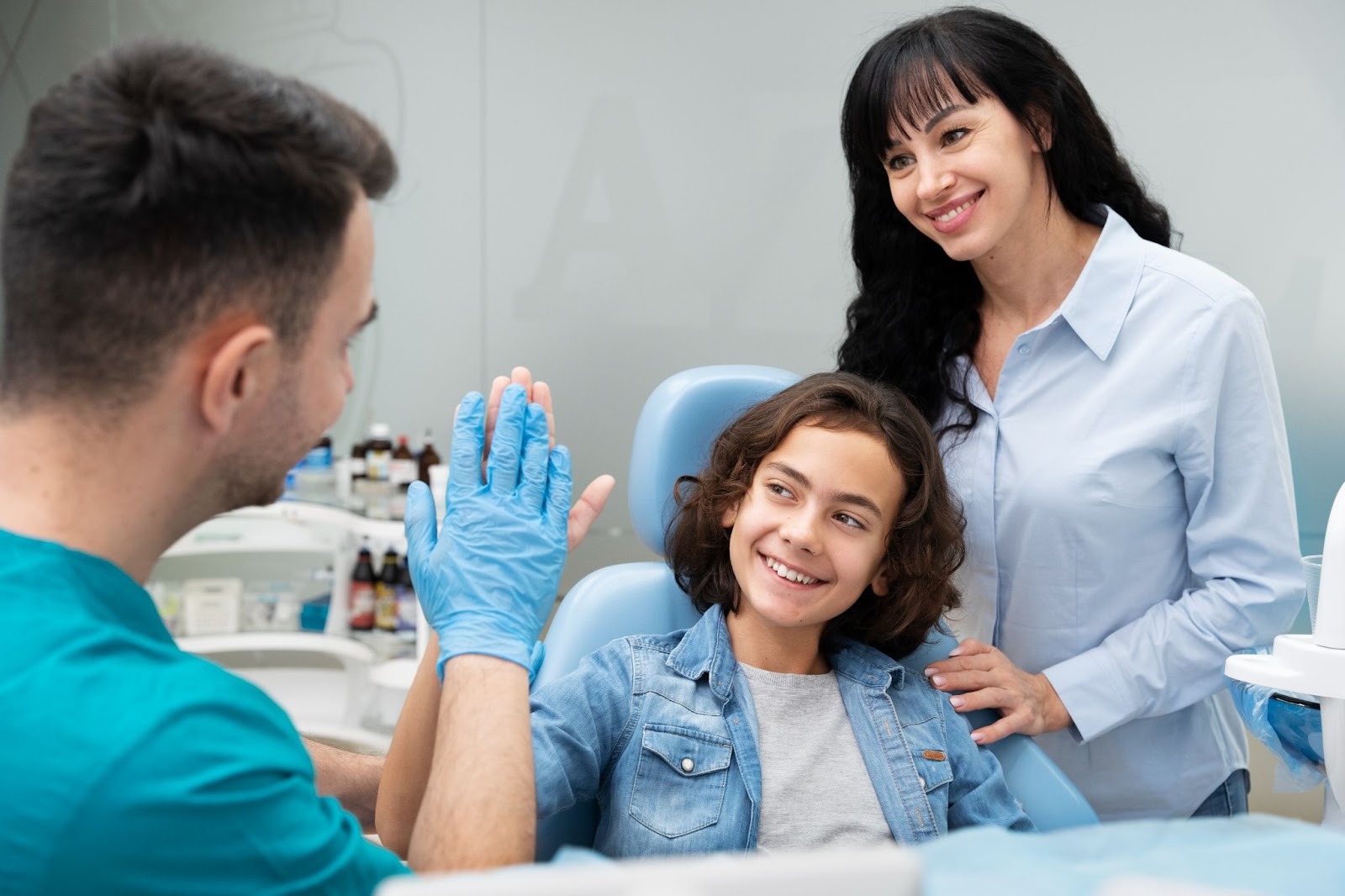
Children’s oral health shapes their future. Local clinics provide specialized pediatric care, ensuring that baby teeth, though temporary, are treated with importance. They guide parents on nutrition, brushing habits, and the impact of thumb-sucking or prolonged bottle use. These lessons prevent avoidable problems later in life.
Beyond treatment, clinics create child-friendly environments. Bright colors, gentle explanations, and patient staff reduce fear. When children associate dental visits with comfort rather than anxiety, they’re more likely to maintain lifelong oral care habits. This nurturing approach builds healthier adults from the earliest years.
Local clinics also play a crucial role in catching subtle developmental issues that parents might miss. They closely monitor the alignment of erupting permanent teeth and the overall growth of the jaw. According to this dentist who does quality veneers in Ballwin, by checking for potential problems like crowding or misalignment early, the dentist can recommend preventative measures like sealants or simple phase-one orthodontic treatments, ultimately saving the family time and money on complex corrections down the road.
Access is often the dividing line between healthy and neglected teeth. Local clinics bridge this gap by being physically close, affordable, and culturally attuned. They serve populations that might otherwise delay care due to distance or cost. Their presence ensures oral health isn’t reserved for the privileged few.
Community clinics often partner with schools and local organizations to provide screenings and education. These outreach efforts bring care directly to those who need it most. By embedding themselves in neighborhoods, clinics reduce barriers and make oral health part of everyday community life.
One persistent myth is that dental clinics are only for emergencies. Many people assume visits are necessary only when pain arises. This misconception leads to delayed care, worsening conditions, and higher costs. In reality, clinics are preventive hubs designed to stop problems before they start.
Another myth is that baby teeth don’t matter because they’ll fall out anyway. Neglecting them can cause infections, misalignment, and speech issues. Local clinics emphasize their importance, teaching families that healthy baby teeth pave the way for strong permanent ones. Prevention begins earlier than most realize.
Education is a powerful tool in oral health. Local clinics run workshops, distribute materials, and engage schools to spread awareness. They explain how sugar impacts teeth, why fluoride matters, and how small daily habits prevent major issues. This knowledge empowers families to take control of their oral health.
Like community libraries provide access to knowledge, local dental clinics offer accessible oral health education. Just as libraries provide free access to knowledge, clinics provide free or affordable access to oral health wisdom. Both institutions strengthen communities by ensuring information isn’t locked away but shared openly for collective benefit.
Collaboration ensures comprehensive care. Dental clinics often coordinate with physicians, nutritionists, and schools to address broader health concerns. Oral health is linked to conditions like diabetes and heart disease, so these partnerships create a more integrated approach to wellness. The mouth is never isolated from the body.
Collaboration between dental clinics and other health providers occurs in key areas:
Dentists often detect gum disease patterns that may indicate diabetes risk. Sharing these findings with physicians ensures patients receive timely medical evaluation. This collaboration strengthens overall health, connecting oral symptoms with systemic conditions and preventing complications through early, coordinated care.
Nutritionists and dentists work together to reduce sugar intake, guiding families toward healthier diets. This partnership reinforces oral health by limiting cavities and gum disease while also improving general wellness. Coordinated advice empowers communities to adopt sustainable, balanced eating habits daily.
Schools benefit from dental clinic partnerships through screenings and oral health education programs. Children learn preventive practices alongside academics, building lifelong habits. By embedding oral care into school routines, clinics ensure healthier generations and reduce untreated dental issues within communities.
Why Do Local Clinics Matter More Than Large Hospitals For Oral Health?
Local clinics are accessible, community-focused, and preventive in nature. They provide consistent care without the long wait times or intimidating environments often associated with large hospitals.
What’s The Best Age To Start Dental Visits For Children?
The first visit should occur by age one or when the first tooth appears. Early visits establish healthy habits and allow dentists to monitor growth and development.
How Can Adults Benefit From Community Dental Clinics?
Adults gain affordable preventive care, early detection of oral diseases, and education on maintaining long-term oral health. Clinics also provide restorative treatments that prevent small issues from escalating.
Are Local Clinics Equipped To Handle Complex Cases?
Yes, many clinics collaborate with specialists. They serve as the first line of care, referring patients when advanced treatment is needed, ensuring continuity and trust throughout the process.