Danielle Herschitz believes small acts add up: micro-volunteering lets busy people change a life in the time between meetings. That sentence isn’t just a slogan for a new-fangled volunteer app; it’s the operating principle behind an approach to charity that’s quietly remaking how communities get help and how teens discover purpose. In a world where time feels scarce and attention is splintered, short, high-impact tasks from writing a five-minute thank-you note to sorting donations for an hour can be the hinge between “I wish I could help” and actually doing something that matters. The result: more hands, less friction, and a new pipeline for youth mentorship that fits modern life.
Danielle Herschitz has been putting these ideas into practice as a team leader at a youth-and-teen organization, where she helps design bite-sized volunteer tasks that amplify participation. Her work shows how micro-volunteering can be a bridge between classroom learning and real-world civic engagement: teens who can’t commit to monthslong programs still gain experience in planning, teamwork, and empathy through short, meaningful actions. Organizations that adopt this mentality report higher retention for events and a steadier flow of support, a practical win when non-profits juggle limited staff and big needs.
Time poverty is real. Between jobs, school, babysitting shifts, and commutes, many people, especially young adults and parents, find it hard to commit to traditional volunteer models. Micro-volunteering meets people where they are: a 30-minute skills-based task, a quick social media push for a fundraiser, or a weekend afternoon at a drive-through donation event. These short bursts lower the activation energy for helping and create many entry points for participation. The method also dovetails with service-learning in schools, letting educators integrate discrete, assessable tasks into curricula and show tangible outcomes for teen leadership and civic growth.
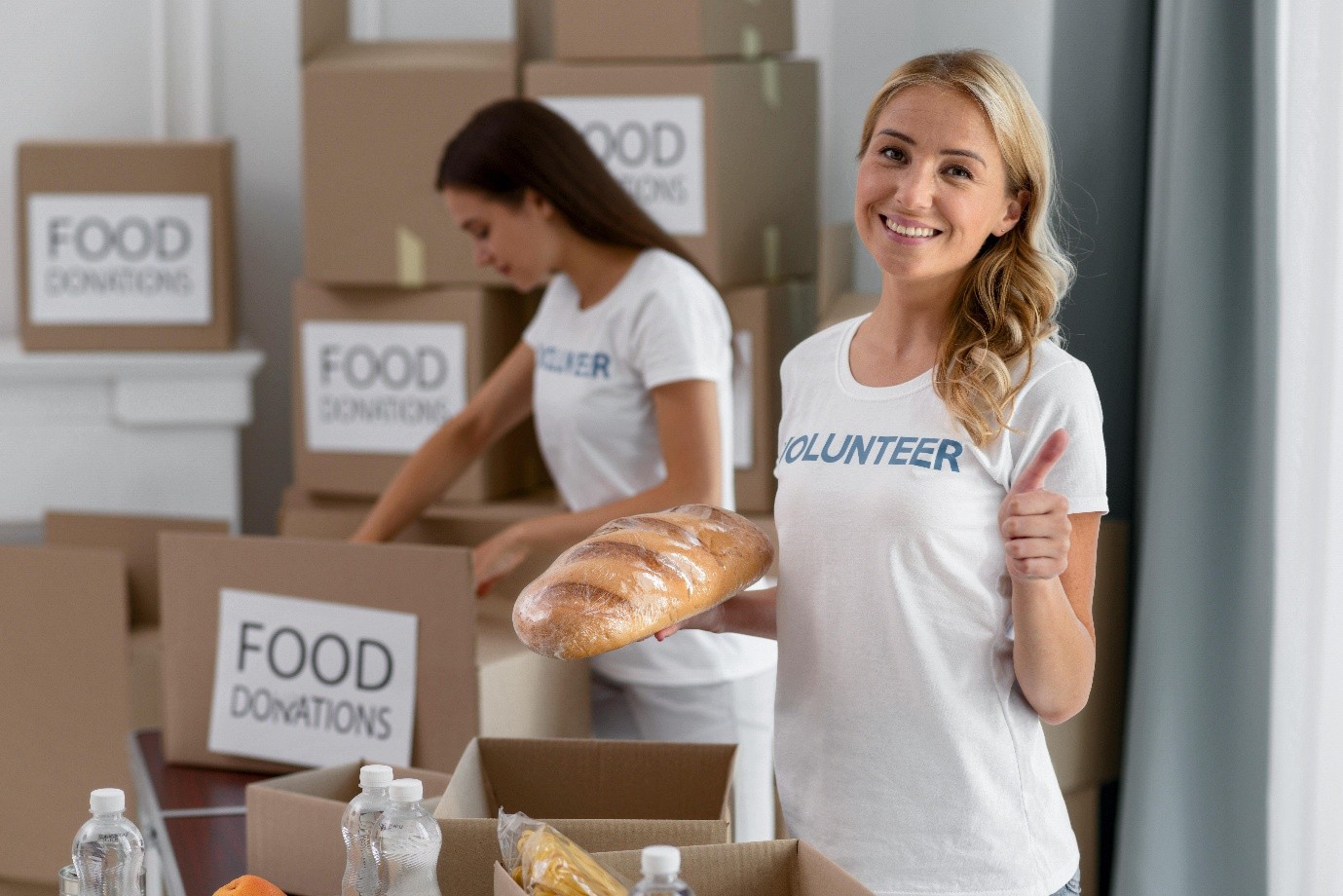
When micro-volunteering is structured well, it becomes more than a transaction, it becomes mentorship. Pair a teen leading a one-hour food-sorting shift with a staff mentor, and you’ve got a compressed learning loop: goal-setting, immediate feedback, and reflection. That’s youth mentorship in fast-forward. Programs that plan micro-tasks intentionally create stepping stones for deeper involvement; teens who try a single activity often return and take on roles that build resumes, confidence, and community ties. Danielle Herschitz sees this pattern play out again and again when she recruits and trains volunteers, small wins turn into leadership pathways.
A few practical examples show how simple the model can be: 15-minute phone calls to isolated seniors, two-hour neighborhood cleanups, one-off mock-interview clinics for high schoolers, or digital tasks like captioning images for accessibility. For organizations focused on community fundraising, these tiny acts multiply: one person sharing a fundraiser link might spark dozens of small donations, which together fund a grant or a scholarship. By treating every small action as valuable, charities turn a scattered set of helpers into a reliable community network. This approach changes how NGOs plan events and scale outreach, and it’s where community fundraising meets everyday participation.
Good micro-volunteering programs follow a few simple rules: make tasks bite-sized and meaningful; provide clear instructions and a sense of impact; offer quick recognition; and create a next step for people who want more. Mix in elements of service-learning and you get programs that teachers and parents can endorse, short, measurable tasks that feed a student’s transcript or a volunteer’s resume. Danielle Herschitz emphasizes the importance of recognition and reflection: a five-minute debrief after a micro-task turns a small effort into a learning moment and a confidence booster that fuels teen leadership.
Technology makes micro-volunteering scalable. Platforms that send push-notifications for last-minute needs, micro-task marketplaces that match skills with moments, and simple sign-up forms for one-off events turn goodwill into action. Social media becomes a force multiplier for community fundraising when influencers or peer networks amplify short calls to action. That’s exactly the kind of hybrid landscape where service-learning programs and group leaders can recruit widely and quickly, a boon for youth-centered charities working on tight timelines.
Consider a teen who joined a weekend donation drive on a whim and then, after one fast feedback loop and praise from a mentor, ended up organizing a school-wide food drive the following semester. Or the parent who couldn’t commit to regular shifts but who signed up for virtual mentoring sessions during their lunch break, becoming a steady source of guidance for a local youth group. These are the small arcs of change micro-volunteering creates: low-barrier beginnings that lead to sustained contribution and stronger community ties. Danielle Herschitz has watched these arcs unfold in her programs, where the micro-gains quickly add up to measurable outcomes.
Micro-volunteering isn’t a lesser form of charity, it’s a strategy that meets modern life and youth realities halfway. By lowering the threshold for entry and designing tasks that teach as much as they do good, organizations can unlock a broader, more diverse pool of help. For leaders like Danielle Herschitz, the philosophy is simple: when we value small contributions, we multiply capacity, create pathways for teen leadership, and weave service-learning into everyday life. If you’ve ever thought, “I don’t have time,” try five minutes. Those five minutes might be the start of something that changes someone’s world and yours.