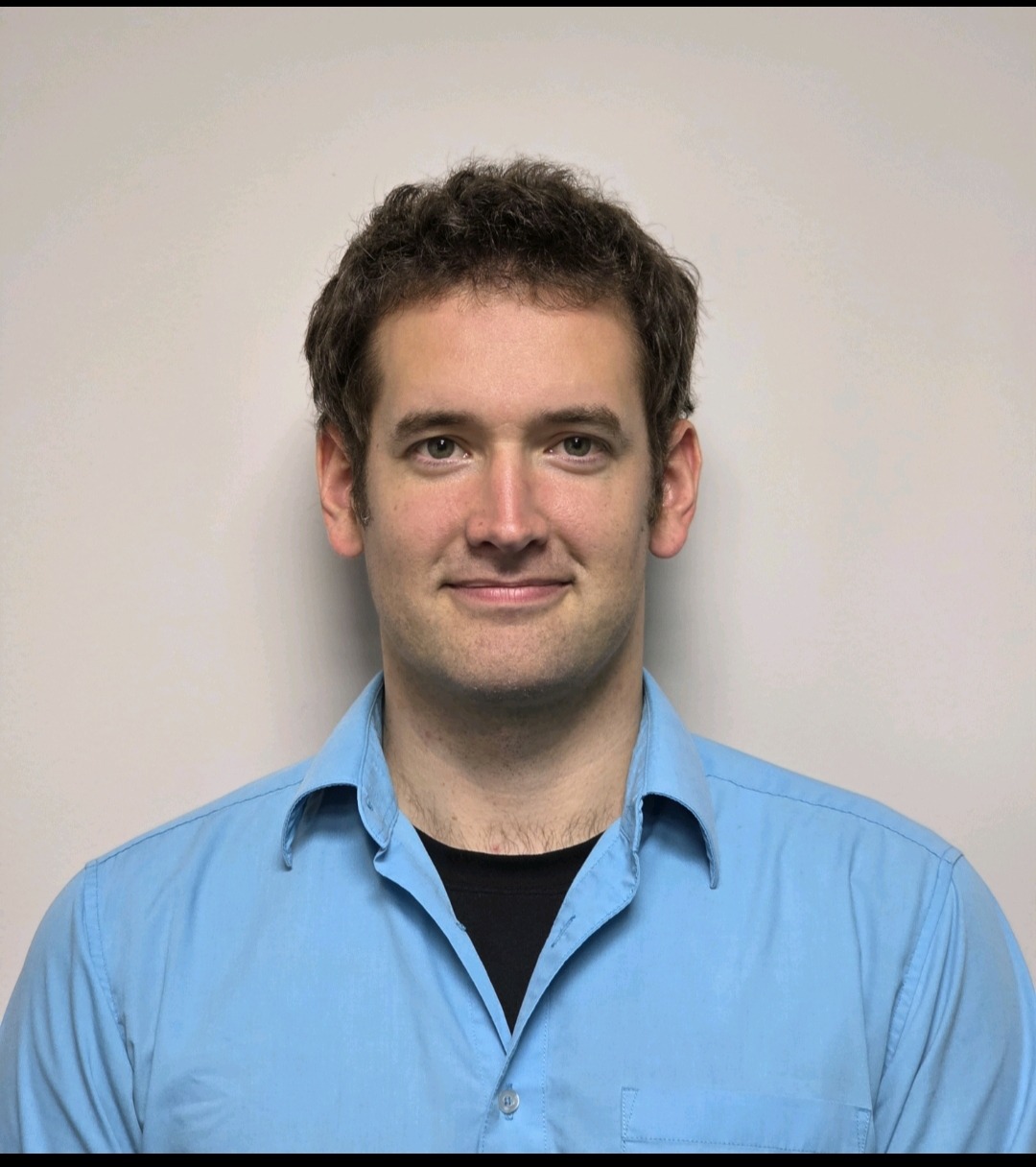
When Dr. John Cambridge talks about building a better zoo, he is not referring to cages, exhibits, or ticket sales. He is talking about people, the students who light up when they hold a beetle for the first time, the teachers who see science come alive in front of their class, and the caretakers whose devotion to animal welfare goes unseen by the public eye.
“I have learned that education has to be as ethical as it is exciting,” Cambridge said in a recent interview about his life and career. “Every interaction, every lesson, every animal we care for, it all carries responsibility.”
Dr. Cambridge is a public science leader, nonprofit executive, and conservation advocate known for his commitment to education, ethics, and innovation. He previously served as the CEO of the Philadelphia Insectarium & Butterfly Pavilion and is now leading the development of a new transparency-focused zoological facility in the Washington, D.C. area. His work continues to focus on trust-building, accessibility, and science education for all.
That philosophy now drives his latest venture, Village Edu, a nonprofit zoological and education organization based in the Washington, D.C. metro area. Designed as both a live-animal facility and a community learning hub, Village Edu aims to create what Cambridge calls a new model for public science leadership centered on transparency, accountability, and local engagement.
“Institutions that educate and serve families must invite oversight, not resist it,” Cambridge said. “If you are working with the public, especially children, you have to earn that trust every single day.”
Village Edu is unlike most traditional zoological institutions. Its foundation rests on rigorous educator training, community participation, and ethical animal care protocols that Cambridge believes should be the new norm in the industry.
The organization’s training program is an eight-week introduction to zoology, ecology, and animal handling. Educators complete certifications and deliver mock presentations before ever entering a classroom. Each live program requires at least two trained educators, a safeguard designed to ensure animal welfare and enhance student engagement.
“Ethics is not something you add on later,” Dr. Cambridge said. “It is part of the design. If we are serious about teaching respect for life, it starts with how we treat the animals that make these programs possible.”
The idea is rooted in experience. At the heart of Village Edu’s mission is a simple idea: science should be experienced, not just explained. The organization’s slogan captures it best – “At Village Edu, we bring the zoo to you.”
Every program is designed to make learning about the natural world tangible and memorable. Students don’t just hear about ecosystems, they touch, observe, and interact with live animals in carefully guided sessions. The lessons include hands-on interactions with the critters children are learning about.
Dr. Cambridge has spent more than a decade at the intersection of science and public education, leading teams that brought hands-on biodiversity learning to schools across the country.
His approach combines his formal background in entomology, he earned his Ph.D. from Rutgers University in 2016, with the energy of an educator who understands that curiosity grows when science feels personal.
“We are not just teaching biology,” he explained. “We are teaching empathy. We are teaching stewardship. Those lessons last longer than any fact you can memorize.”
Though Village Edu is based in Bethesda, Maryland, Cambridge’s professional story began in Philadelphia, where he founded and led the Philadelphia Insectarium and Butterfly Pavilion. Under his leadership, the Insectarium evolved into one of the city’s most distinctive science institutions, known for its accessibility and creativity.
The facility became a magnet for schools that lacked funding for field trips to larger museums. Cambridge and his team prioritized free community days, outreach to underserved classrooms, and immersive science education experiences that broke traditional barriers.
“Philadelphia shaped me in every possible way,” Cambridge reflected. “It taught me how powerful science can be when it belongs to everyone. That is a lesson I carry with me into everything we are building now.”
Many of those early programs, from mobile butterfly exhibits to classroom insect encounters, are being reimagined through Village Edu. Several of Cambridge’s former educators have joined the new project, bringing with them years of shared experience and renewed purpose.
“John was always ahead of the curve,” said a longtime collaborator and educator. “He saw early on that the future of museums was not just in exhibits but in interactions. The idea that you could bring science directly to people in their schools and neighborhoods, that is what made his programs different.”
The upcoming Village Edu facility, slated to open in 2026, will blend elements of a small zoo, science museum, and community classroom. But its structure, both physical and organizational, is what sets it apart.
Cambridge and his team are developing what they describe as a public accountability framework designed to model ethical transparency in real time.
That includes:
“Trust is not a marketing slogan,” Cambridge said. “It is measurable. You have to show your work.”
He has also made it clear that Village Edu will operate with an open-door philosophy. The organization regularly invites local feedback, encourages volunteer participation, and fosters collaboration with nearby schools and environmental groups.
Cambridge’s journey has not been without challenges. He acknowledges that leadership comes with scrutiny and that public narratives, especially in the age of social media, can easily distort nuance and truth.
“I have seen how the media can twist stories,” he said. “Drama sells. But integrity is what lasts. The only way to respond is through action, to do the work with honesty and consistency.”
That belief in consistency has guided his approach to rebuilding trust, both personally and institutionally. His definition of integrity is simple: do what you say you will do, and let the results speak for themselves.
“Integrity is built through time and truth,” he said. “You cannot talk your way into it. You show it through every decision, every partnership, and every interaction.”
At Village Edu, that commitment shows up in the details, from the way staff are trained to how animals are transported and handled. Cambridge often reminds his team that ethics is not a department, it is a culture.
When asked what he wants people to feel when they visit Village Edu for the first time, his answer is immediate. “I want them to feel wonder,” he said. “I want them to see how much care goes into every creature, every educator, every moment. I want them to walk away knowing that science is alive, and that they are part of it.”
Beyond the operations and the strategy, there is still the simple joy that brought Cambridge into this field in the first place: the love of insects, ecosystems, and the endless curiosity of young learners.
“Educating our children about the natural world is the most important work anyone can do,” he said. “That is how you build empathy for the planet. That is how you change the future.”
Through Village Edu, Cambridge hopes to inspire a new generation of scientists, educators, and environmental stewards, not by defending the past but by building something better in the present.
If you Google John Cambridge five years from now, he hopes the first results will speak for themselves: schools engaged, children inspired, and a community that feels proud to call Village Edu its own.
“I do not need people to believe in me,” he said quietly. “I need them to believe in the work. Because that is what endures.”