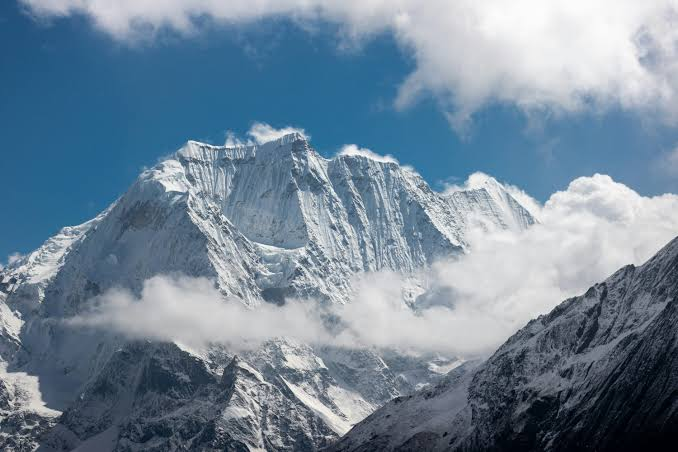
The Himalaya is not just a mountain; it is like a whole other world. The air is thin, the sky is close, and the heart beats faster. The Great Himalayan Trilogy means three treks that make dreams full—Manaslu Circuit Trek, Annapurna Circuit Trek, and Annapurna Base Camp Trek. Each of them has their own beauty, different ways, and different people, but the same big mountain feel. Travelers come from all over the world to walk these trails. This trilogy is not only about trekking; it is about feeling life deeply.
The Manaslu Circuit Trek is one of Nepal’s most remarkable and less-crowded trekking adventures, taking you around the world’s eighth-highest mountain, Mount Manaslu (8,163 m). This trek offers a blend of breathtaking scenery, cultural depth, and thrilling mountain terrain. Starting from Soti Khola, the trail follows the ancient salt-trading route along the Budhi Gandaki River, passing through lush forests, rice terraces, and high alpine landscapes. As trekkers gain altitude, they enter the Nubri region, home to Tibetan-influenced villages such as Sama Gaon and Samdo, where traditional lifestyles and Buddhist monasteries reflect the region’s deep cultural roots.
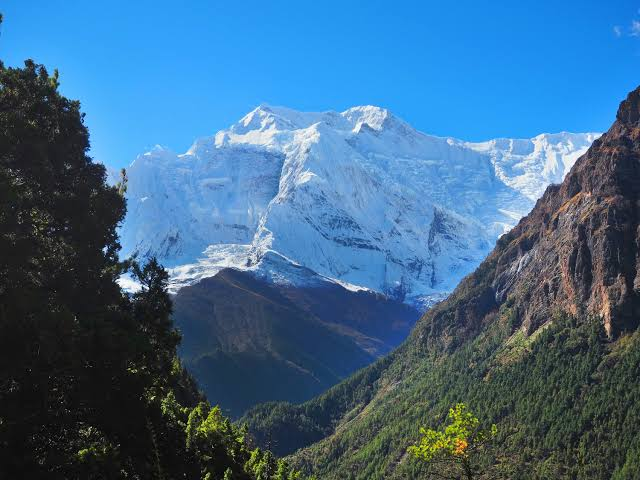
The highlight of the trek is the challenging Larkya La Pass (5,160 m), which offers awe-inspiring views of Himal Chuli, Manaslu, Cheo Himal, and Annapurna II. This trek combines adventure and serenity, away from the crowds found in other popular routes. It’s a perfect journey for those seeking both natural beauty and cultural immersion. Accommodation is available in local tea houses, offering warm hospitality and simple comfort. The best time to trek is in spring (March–May) and autumn (September–November) when the skies are clear and the weather is stable. The Manaslu Circuit Trek is a rewarding off-the-beaten-path experience that showcases the true essence of Nepal’s Himalayan wilderness.
The trek mostly takes 14 to 18 days. Start from Soti Khola and end at Besisahar or sometimes Dharapani. The trail goes along the Budhi Gandaki River, then climbs up into a cold high mountain.
Because it is wild. Because there are not too many tourists. Because you see everything—from the jungle to the ice desert. You walk past many walls, chortens, and prayer flags. You feel the real remote Himalaya.
It is a restricted area, so trekkers need a Manaslu Restricted Area Permit (RAP), MCAP, and ACAP. I also need a licensed guide and at least two trekkers together.
The best months are March to May (spring) and September to November (autumn). The weather is clear; the mountain is full.
The Annapurna Circuit Trek is one of the most iconic trekking routes in the world, offering an incredible variety of landscapes, cultures, and mountain views. The journey circles the Annapurna Massif, taking trekkers from subtropical valleys and rice paddies to the dry, windswept highlands of the Manang and Mustang regions. Starting typically from Besisahar, the trail ascends through lush forests and charming Gurung villages, before crossing the dramatic Thorong La Pass (5,416 m)—the highest point of the trek and a thrilling highlight for every adventurer.
The trek provides a close encounter with majestic peaks such as Annapurna I, Dhaulagiri, Machhapuchhre (Fishtail), and Manaslu. Beyond the stunning landscapes, the cultural diversity along the route is equally fascinating, with Hindu villages in the lower regions giving way to Buddhist settlements as altitude increases. The descent to Muktinath, a sacred pilgrimage site for both Hindus and Buddhists, adds spiritual depth to the journey.
Trekkers can enjoy comfortable tea house accommodations and local Nepali cuisine along the way. The best trekking seasons are spring (March–May) and autumn (September–November) for clear skies and pleasant temperatures. The Annapurna Circuit Trek remains a timeless adventure, celebrated for its scenic grandeur, cultural richness, and ever-changing Himalayan beauty that makes it one of Nepal’s most rewarding experiences.
This trek takes around 14 to 20 days depending on where you start and end. Most people start from Besisahar, then go through Chame and Manang, cross Thorong La Pass, go down to Muktinath, and then go to Jomsom or Tatopani.
Now some parts have gotten better, but still a lot of beauty remains. Many trekkers choose a side route, like Tilicho Lake or Nar Phu Valley.
You meet a Gurung, a Thakali, a Manangi, and a Tibetan culture mix. Different traditions in each valley. Mani walls, Buddhist prayer wheels, and yak bells sound in the morning.
Because it gives a full Himalayan feel. You see jungle, snow, and desert, all in one walk. And also easy to manage, a good teahouse, good food, and a warm bed. Perfect for a first-time big trekker.
The best time is March to May and September to December. Spring has rhododendrons blooming; autumn has a clear sky.
Walk slowly, drink a lot of water, and respect altitude. Carry good shoes and warm jackets. Don’t forget the camera.
The Annapurna Base Camp Trek is a classic Himalayan journey that leads trekkers deep into the heart of the Annapurna Sanctuary, surrounded by towering peaks on all sides. Starting from Pokhara, the trail winds through rhododendron forests, terraced fields, and picturesque Gurung and Magar villages such as Ghandruk and Chhomrong. The trek offers a gradual but rewarding ascent through diverse landscapes, combining cultural encounters with spectacular natural beauty.
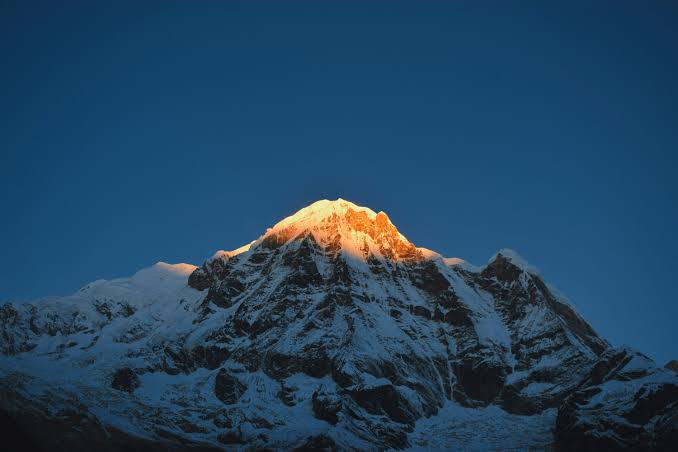
Reaching the Annapurna Base Camp (4,130 m) is a magical experience, where trekkers stand encircled by some of the most impressive peaks in the world—Annapurna I, Hiunchuli, Machhapuchhre (Fishtail), and Annapurna South. The amphitheater-like setting is truly breathtaking, especially at sunrise when golden light bathes the snow-clad summits.
The trail is well-marked and lined with cozy tea houses offering hot meals and warm hospitality. It’s a moderate trek suitable for trekkers with basic fitness and a love for mountain scenery. The best seasons for the ABC trek are spring (March–May), when rhododendrons bloom, and autumn (September–November), known for clear skies and crisp views. The Annapurna Base Camp Trek blends cultural charm, adventure, and stunning Himalayan panoramas, making it one of Nepal’s most popular and unforgettable trekking experiences.
Start mostly from Pokhara, then drive to Nayapul or Kimche, then walk through Ghandruk, Chhomrong, Deurali, and finally Base Camp. It takes around 7 to 12 days total.
Because it is short but deep. It gives a close-up view of a big mountain without too high a pass. And because it feels emotional—you see the life of people, then walk into the snow world.
The Gurung people welcome you warmly. They offer tea, talk stories, and laugh. The prayer flag dances in the wind. You walk through a bamboo forest, rhododendron trees, and then an alpine zone.
Same as others—spring (Mar-May) and autumn (Sep-Nov) are best. But many people also go in winter for the beauty of snow.
These three treks together show three faces of the Nepal Himalaya. Manaslu is wild and raw. Annapurna Circuit for classic and wide. Annapurna Base Camp for intimate and close hearts. If someone does all three, they understand the whole spirit of the mountain.
From river valley to snow peak, from forest to desert, from rice field to glacier. Every day a new scene. Birds fly, a yak walks, and rivers sing. This trilogy is full of life-changing events.
Same time you meet Gurung, Thakali, Tamang, and Tibetan. Each group has a song, dance, and dress. Monasteries, prayer wheels, and chortens show faith everywhere.
Every trek got a warm teahouse. You drink hot tea, eat dal bhat, and talk with trekkers. Night full of story, morning with mountain glow.
Each trek is different and hard.
Good to hire a local guide. They know the trail and culture and help with acclimatization. Porter carries a bag; you walk free and enjoy more.
Warm clothes, trekking boots, a sleeping bag, a jacket, headlamp, trekking pole, and water purifier. Don’t overpack, but don’t forget warm gear.
Drink a lot of water, eat well, and don't rush. Rest in a high village to acclimatize. AMS (altitude sickness) is real, so listen to the body.
Teahouse trek means sleeping in a small lodge. Wooden room, thin wall, heavy blanket. Food mostly dal bhat, momo, fried rice, tea, and coffee. But all feel cozy on the mountain.
On the first days you walk with green hills and local life. People work in rice fields, and children wave. Then higher up, air changes, the landscape opens, and snow peaks come near. At the pass top, breath short, eyes full of joy. You feel small but strong.
From dawn to dusk, light plays magic. You take pictures of prayer flags, yaks, and mountain reflections. ABC sunrise, Manaslu glacier, Thorong La panorama—all postcard perfect.
You sit with local people, drink butter tea, and hear stories of lamas and snow leopards. In a small monastery, monks chant softly. At that moment, the world stopped.
Do one trek and you see beauty. Do all three and you feel Himalaya soul. Each gives something different: challenge, peace, reflection.
You learn patience, respect, and endurance. You see life as simple but rich. You meet a stranger who becomes your friend.
Wildlife, forests, glaciers, people, and festivals—all together make this trilogy a complete travel story.
The Great Himalayan Trilogy is more than a trek. It’s like three chapters of the same holy book. The Manaslu Circuit Trek shows wilderness and peace. The Annapurna Circuit Trek shows diversity and grand views. The Annapurna Base Camp Trek shows the heart and soul of the mountain.
After finishing all three, you are not the same person. The memory stays long; the mountain calls again. The Himalaya teaches silence, courage, and happiness. Once you walk there, you always dream of returning.