Image Source: Yandex.com
Creating a safe working environment is one of the most important responsibilities of any employer. A safe workplace not only protects employees from injury and illness but also boosts morale, productivity, and overall company reputation. In the UK, health and safety regulations are designed to ensure that every employee can work without risk of harm. Understanding how to maintain a safe workplace is essential for employers who want to comply with the law and promote a culture of safety.
Workplace safety is more than just following rules and regulations — it’s about creating a culture where employees feel valued and protected. Employers have a legal and moral obligation to provide a safe environment for their teams. Accidents, injuries, and illnesses not only harm individuals but can also affect the productivity and reputation of a business.
The Health and Safety Executive (HSE) emphasizes that employers must assess and manage risks in the workplace. According to the HSE official guidance, every employer must ensure that health and safety responsibilities are clearly defined and that appropriate precautions are in place to prevent accidents.
The foundation of a safe working environment is a thorough risk assessment. Employers should regularly evaluate the workplace to identify potential hazards and implement measures to eliminate or control them. Risk assessments should cover all aspects of the business, including machinery, equipment, fire safety, electrical systems, and even the general layout of the workspace.
Once risks are identified, employers should prioritize them based on severity and likelihood. For example, poorly maintained equipment poses a higher risk and should be addressed immediately. By taking proactive steps to manage hazards, employers can significantly reduce the chances of workplace accidents.
Training is one of the most effective ways to ensure workplace safety. Employees need to understand how to carry out their duties safely and what to do in case of an emergency. Employers should provide clear instructions on how to operate equipment, handle hazardous substances, and use personal protective equipment correctly.
Health and safety training should not be a one-time event. Regular refresher courses help employees stay updated on safety protocols and encourage them to maintain safe practices. Managers and supervisors should also receive additional training to help them monitor safety compliance and support their teams effectively.
Image Source: Yandex.com
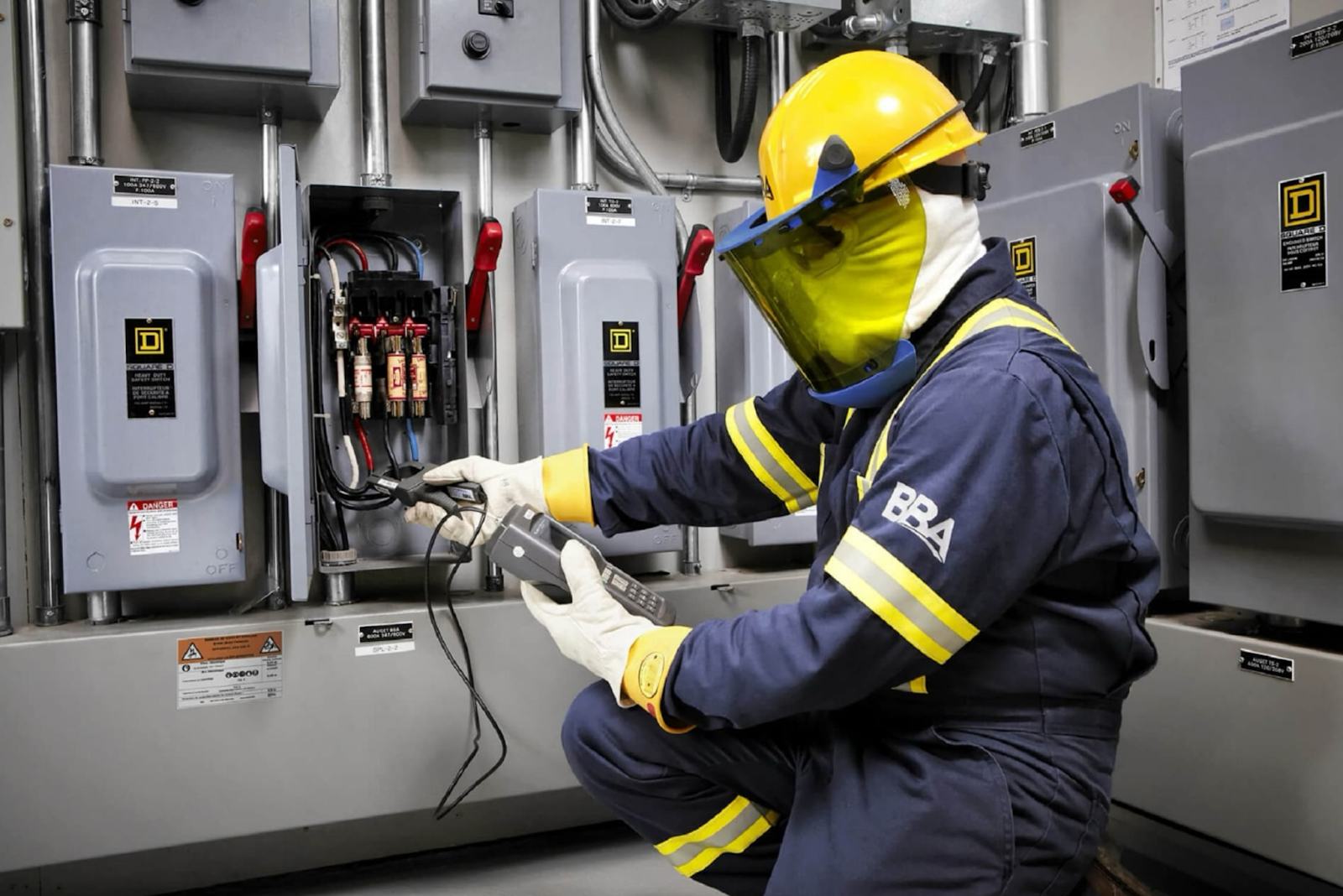
Electrical safety is often overlooked but is one of the most critical aspects of maintaining a safe working environment. Faulty electrical equipment can lead to fires, electric shocks, and serious injuries. Employers must ensure that all electrical systems and devices are properly maintained and inspected by qualified professionals.
Regular inspections such as PAT Testing in London are essential to identify potential electrical faults before they become dangerous. Portable Appliance Testing ensures that electrical appliances are safe to use and comply with safety regulations. By scheduling routine checks, employers can protect their staff and prevent costly electrical incidents.
A strong safety culture starts from the top. When employers demonstrate a genuine commitment to safety, employees are more likely to follow suit. Open communication between management and staff about safety concerns helps create an environment where everyone feels responsible for maintaining safety standards.
Employers should encourage workers to report hazards or unsafe practices without fear of reprisal. Regular safety meetings and discussions can help identify issues early and reinforce the importance of maintaining a safe workplace. Recognition programs that reward safe behavior can also motivate employees to prioritize safety.
A tidy and well-organized workplace is a safer workplace. Clutter and disorganization increase the risk of trips, falls, and other accidents. Employers should ensure that walkways are clear, storage areas are tidy, and equipment is properly maintained.
Regular cleaning routines not only improve safety but also contribute to a more pleasant and efficient working environment. For example, keeping floors dry and free of obstacles can prevent slips, while properly storing tools and materials can reduce the risk of injuries.
Personal Protective Equipment (PPE) is a vital component of workplace safety, especially in industries where employees are exposed to physical, chemical, or biological hazards. Employers must provide suitable PPE and ensure that employees know how to use and maintain it correctly.
This may include items such as helmets, gloves, eye protection, or high-visibility clothing. Regular inspections should be carried out to ensure PPE is in good condition, and any damaged or worn-out equipment should be replaced immediately.
Fire safety is another essential element of workplace protection. Employers should install appropriate fire detection and suppression systems such as smoke alarms, extinguishers, and sprinkler systems. Fire exits must be clearly marked and easily accessible at all times.
Employees should receive training on fire evacuation procedures, and regular fire drills should be conducted to ensure everyone knows what to do in an emergency. Keeping combustible materials away from heat sources and maintaining electrical safety further reduces fire risks.
Safety in the workplace is not limited to physical hazards. Employers must also pay attention to mental and emotional wellbeing. Stress, fatigue, and burnout can all contribute to accidents and poor performance. A supportive work environment that promotes work-life balance, open communication, and access to mental health resources can significantly improve overall safety.
Employers should create policies that encourage regular breaks, reasonable workloads, and access to counseling or wellbeing programs. When employees feel supported and valued, they are more likely to remain focused, motivated, and safe at work.
Workplace safety is an ongoing process that requires continuous monitoring and improvement. Employers should regularly review safety procedures and assess whether they remain effective. Gathering feedback from employees can provide valuable insights into areas that need attention.
Accident reports and near-miss incidents should be analyzed to identify trends or recurring issues. By learning from past incidents, employers can make necessary changes to prevent similar events in the future. Periodic audits conducted by external professionals can also ensure compliance with current safety laws and standards.
In the UK, employers have a legal duty under the Health and Safety at Work Act 1974 to ensure, as far as reasonably practicable, the health, safety, and welfare of employees. This includes providing safe systems of work, maintaining safe equipment, and ensuring that workers receive proper training and supervision.
Employers who fail to comply with these regulations may face penalties, legal action, and damage to their reputation. Staying informed about changes in legislation and following official guidance helps employers maintain compliance and avoid legal issues.
A safe working environment benefits everyone — employers, employees, and the business as a whole. By conducting regular risk assessments, providing proper training, ensuring electrical and fire safety, and fostering a culture of care, employers can significantly reduce workplace hazards.
Regular maintenance checks such as PAT testing, combined with strict adherence to safety regulations, help prevent accidents and protect lives. Ensuring a safe workplace is not just about meeting legal requirements; it’s about creating a positive, secure environment where employees can thrive.
When employers take safety seriously, they build trust, improve morale, and enhance productivity — ultimately contributing to long-term business success.
For more reading on work safety practices, check out this related article from NorthPennNow on advanced workplace fire safety training: Elevate Your Skills with Advanced Workplace Fire Safety Training.