
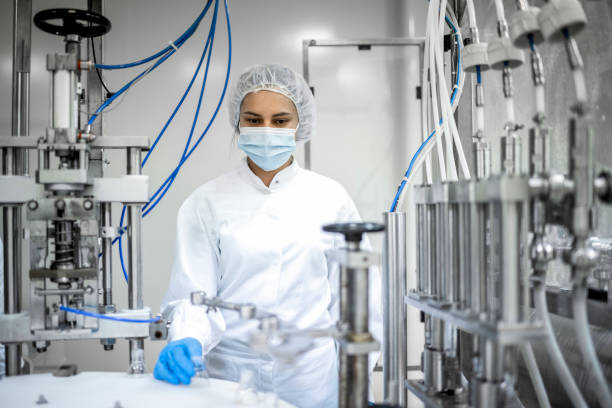
As automation technology improves, there is an ever-increasing need for sophisticated efficient high-performance medical devices. At this stage of medical manufacturing, it has become more important than ever to integrate modern fabrication technologies like CNC machining and laser cutting. Their precision and capability in fabricating durable components of quality surgical instruments, diagnostic machines, and other medical devices is beyond comparison. Structural and mechanical design of medical equipment is far more sophisticated than any other commercial product and gets deeper with every other generation of devices. Thus, it is no surprise that sheet metal fabrication is at the forefront in enabling compliance to the exacting standards of precision required.
Technological and industrial development creates more opportunities in automation, driving the key trends shaping the future of healthcare devices. For example, automotive metal machining is now transforming medical device manufacturing for faster, better, and more cost-effective production of medical devices. In the rest of this article, we are planning to focus on future trends of medical fabrication and discuss how sheet metal fabricators are coping with increased demand in healthcare.
Sheet metal fabricators have steadily escalated in importance with the evolution of the medical field. These professionals work with machines that shape, cut, and assemble metal parts for medical equipment. Whether it is simple structural components or complex surgical tools, the metal parts that are fabricated must be accurate and of the highest quality since it impacts the reliability of the device.
Hospitals and clinics depend on the biocompatibility and safety of medical equipment, which is why components made from sheet metal have to meet very stringent guidelines. The metal also has to be cost effective, which makes sheet metal a favourable choice. For the fast paced environment of the healthcare field, biocompatible parts greatly increase the production timelines for equipment. With the advancement of medical technology, the competitiveness increases which means the fabricators have to adopt innovations and additional tools so that they can maintain high quality standards.
Adaptation of automotive metal fabrication techniques into medical device manufacturing is among the most notable changes in the medical fabrication industry. The automotive metal fabrication industry has its reputation based on precision, efficiency, and cost-effectiveness. These attributes are being incorporated in the medical device sector with the aim to improve precision, lower costs, and enhance overall manufacturing processes.
For instance, laser cutting, stamping, and CNC machining, which are part of the automotive metal fabrication arsenal, are now more frequently employed to manufacture medical parts. Their ability to create complex shapes with high precision makes them suitable for the stringent requirements of medical devices. The use of automotive metal fabrication methods enhances the quality of the devices, while also reducing the production time which enables manufacturers to meet the rising needs of medical equipment.
Custom sheet metal design in prosthetics and medical devices has a positive impact on customization pertaining to an individual’s specific needs, leading to better and more personalized care. With the development of modern medicine, custom medical devices are now being fabricated that cater to specific requirements of patients. Tailor-made metal implants and specialized surgical instruments are just a few examples of custom metal fabrication that can be used to optimize individual patient care.
Take the example of a below-the-knee prosthetic. The socket must encapsulate the patient's stump exactly, as any gap might lead to discomfort or skin damage. With custom sheet metal fabrication methods, manufacturers can provide both sockets and limbs with the customization and precision required at a contour level which will enhance comfort as well as improve impact usability. This not only makes prosthetics comfortable but highly functional, improving the ability to complete daily tasks and overall self-regard.
This level of personalization is crucial for those who are affected by complex medical conditions that result in the need for prosthetic limbs because of congenital reasons. Custom sheet metal fabrication allows for the design of prosthetics that specifically cater to the requirements of different individuals, providing them with optimal support and comfort.
With all the technologies today, medical device manufacturers will have to use extreme precision and detail while producing medical devices. Advancements in design technologies will be further enabled by the robotics, AI, and automation already integrated into automotive metal fabrication. The intersection of adaptive intelligent materials with integrating connected and wearable technology will create new frontiers in medical fabrication. Such innovations will allow medical devices to be smarter, more responsive, and flexible for real-time changes needed by the patients. Therefore, sheet metal fabricators will have to cope with such changes in material and techniques to keep pace with the relentless needs of the healthcare industry.
In the coming years, metal fabrication will develop sophisticated healthcare devices and new solutions to ensure patients receive optimal care, thus enhancing their well-being and overall quality of life. This ongoing evolution will be crucial in determining the direction of medical technology and patient care in the future.
In the making of medical devices, sheet metal fabrication serves an important purpose because of the accuracy, sturdiness, and customizability it provides. With the use of automotive metal fabrication, 3D printing, and smart technology, fabrication specialists are able to change the future of medical device manufacturing. These trends are merging to simplify production steps, increase device refinement, and improve care for patients.
While the healthcare sector requires more sophisticated devices, advanced level metal fabricators become part of the solution to make the medical devices more functional and efficient with the added customization to meet the demands of patients. Following these trends provides destined prospects for pioneering advancements in medical fabrication, thus enhancing patient care.











