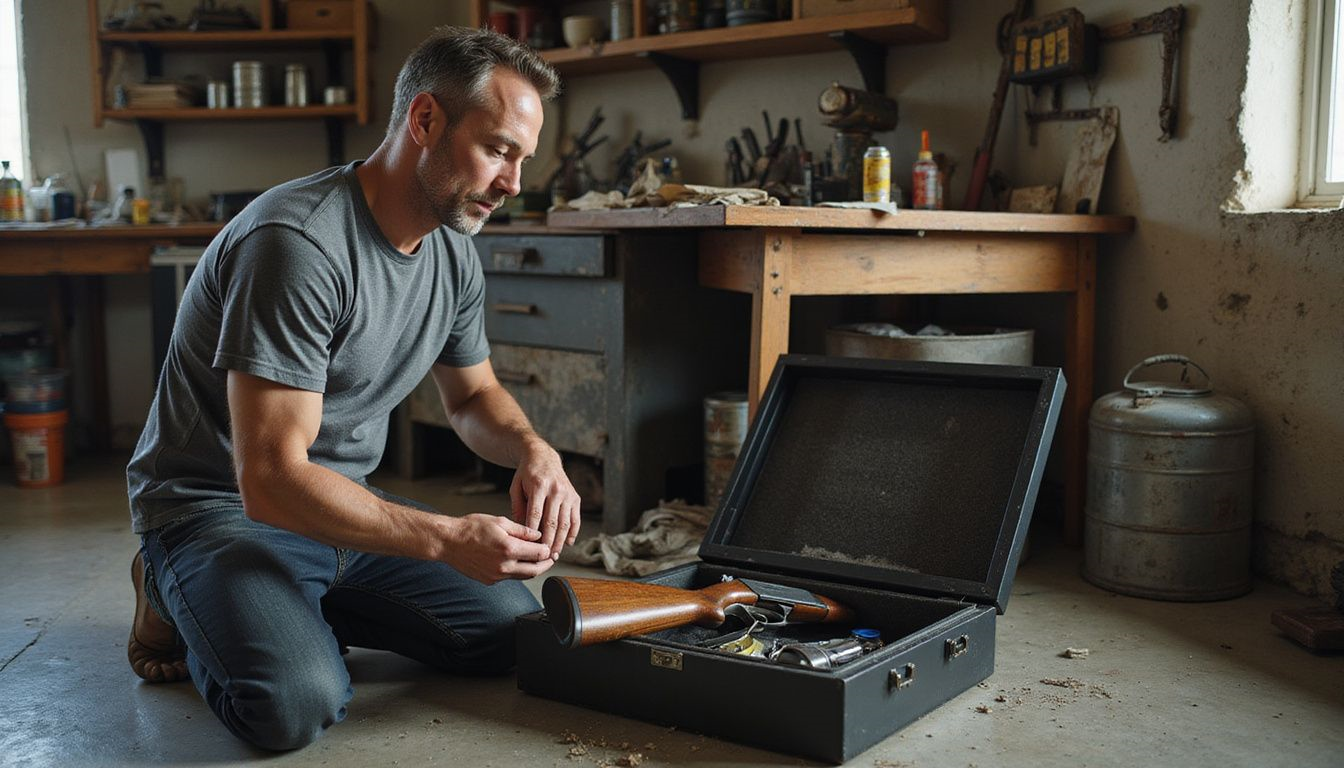
A gun safe protects your firearms and valuables, but it needs care too. Gun safes can cost anywhere from $30 to over $10,000, so keeping yours in good shape is worth the effort. Regular cleaning and maintenance keep the safe secure and working well.
Dusting monthly with a lint-free cloth prevents rust. Lubricating locks with white lithium grease avoids wear or failure. High humidity damages guns; silica gel packs or dehumidifiers help control moisture between 30% to 50%.
Even professional locksmith inspections once a year can catch hidden issues.
Taking small steps makes a big difference, and there’s more to learn about keeping your best gun safe in top condition!
A well-maintained gun safe keeps your firearms secure and in perfect condition. Dust, rust, and moisture can harm both the safe and its contents without proper care. Cleaning the interior at least twice a year prevents buildup that could damage guns or locks.
Toss out expired ammunition during these cleanings to avoid potential safety risks.
High humidity is another enemy of safes. Moisture leads to rust on firearms and weakens the locking mechanism over time. Using a dehumidifier or silica gel packs inside helps combat this issue effectively.
As locksmiths often say, “A healthy lock means a secure home.” Have your safe inspected yearly by professionals to catch wear or malfunctions early, keeping security tight all year round!
Keeping your gun safe clean isn’t just about looks—it’s about protecting what’s inside. Regular care prevents dirt, grime, and rust from creeping in unnoticed.
Use a clean, lint-free cloth to dust your gun safe. This removes dirt and keeps the surface smooth. Avoid using rough materials that can scratch the finish. A duster works well for tight corners or grooves.
Wipe down surfaces with a damp cloth after dusting. Only use water or mild cleaning agents safe for metals. This helps with rust prevention and keeps the exterior looking new. For best care, follow this routine monthly to maintain top condition.
Next, explore using safe cleaning agents for deeper care of your gun safe's interior and exterior.
After dusting, pick cleaning agents that protect your safe. Mild soap and water work well for most surfaces. Avoid strong chemicals like bleach or ammonia; they may cause damage over time.
For the interior, a portable vacuum cleans dirt from corners without scratching.
'A clean safe is a happy safe.' Keeping it spotless means fewer issues later.
Always remove guns and shelves before you start cleaning. Dry every surface completely to stop moisture buildup. Safe cleaning products made for metals are another smart option to avoid harm while keeping things shiny!
Your safe’s lock is its heartbeat—keep it in shape. Regular care can stop small issues from becoming big headaches.
Apply a thin layer of white lithium grease to the perimeter locking bolts. This reduces wear and prevents binding. Focus on keeping the lock mechanism smooth and functional. Too much grease can attract dirt, so use it sparingly.
Check handle movement as part of maintenance. If it feels stiff, apply some grease to external hinges too. A well-lubricated locking system lowers the risk of failure during use. Regular care ensures your safe stays reliable for years to come.
Locks can wear out over time. Test the locking system often to spot issues early. Turn the lock and check if it feels stiff or loose. If the key or dial sticks, look deeper for a problem.
Inspect bolts closely to confirm they slide smoothly. Tighten any that seem loose; even small shifts can reduce security. Call locksmith services yearly for a professional lock inspection as part of safe upkeep.
A minor issue today could lead to bigger problems later.
Moisture is the silent enemy of your firearms. Keep it in check, or risk rust creeping in like an unwelcome guest.
Electric dehumidifiers warm the air inside your gun safe to lower humidity. They can last up to ten years and often show alerts when they need recharging. These devices are great for keeping moisture below 50%, which helps prevent rust on firearms and ammunition.
Non-electric options, like silica gel packs, also work well. Silica absorbs moisture without needing power and is budget-friendly. You can recharge them by warming in an oven, keeping them effective long-term.
Consider combining both methods for extra protection against corrosion.
Silica gel packs are lifesavers for controlling moisture inside your gun safe. These little packets can soak up to 40% of their weight in water without making a mess. They protect firearms from rust and corrosion by keeping the air dry, which helps maintain their value and condition.
Some brands, like Wisedry, include humidity indicators on the packs. The beads change color when they’re full of moisture—no guessing needed! Toss them in the microwave to recharge until the beads turn orange again.
Regular recharging keeps them working like new. Using these reusable desiccant packs is an easy and affordable way to keep your guns safe and sound.
Loose hinges can cause trouble, so keep an eye out for them. Bolts that look worn might let your safe down, so act fast!
Inspect bolts and hinges regularly. Loose screws can weaken security and lead to malfunctions. Use a screwdriver to tighten all fasteners firmly. Check latches and fittings for any movement or gaps.
Secure loose components quickly to prevent bigger issues.
Look closely at hardware for signs of wear or damage. Worn hinges may cause misalignment, affecting the safe’s seal. Bolstering safety means taking action early before problems grow worse.
Make these checks part of your routine maintenance schedule.
Look for damage on hinges, bolts, and locks. Test the locking mechanism to confirm it works smoothly. Tighten any loose parts right away to stop further issues. Apply a high-quality gun lubricant every 6 to 12 months to moving components like hinges and bolts.
Pay attention to cracks or rust on metal surfaces. These can weaken the safe over time. Check fasteners and latches closely for signs of deterioration. Replace damaged hardware quickly before they affect security.
Keep all parts clean and functional for long-lasting use.
Keeping your gun safe in top shape takes care and simple steps. Regular cleaning, checking locks, and managing moisture go a long way. These tasks are quick but protect your firearms for years.
A well-maintained safe means better security and less worry about damage or rust. Add upgrades like dehumidifiers or lights for extra convenience. Don’t wait—start maintaining your safe today!