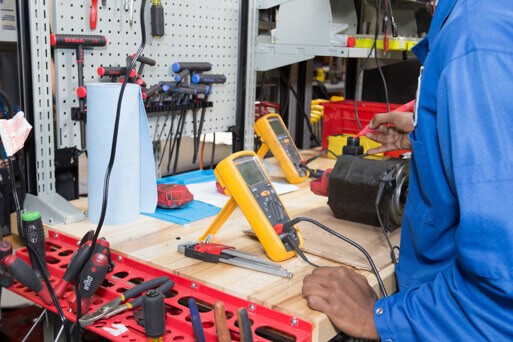
Industrial electronics are the backbone of modern manufacturing, automation, and industrial processes. These complex systems power machinery, control processes, and ensure the smooth functioning of various operations. However, despite their robust design, industrial electronics can fail, leading to costly downtime, reduced productivity, and significant financial losses. Understanding the common causes of industrial electronics failure and how to prevent them is crucial for maintaining a reliable industrial setup.
Industrial electronics encompass a wide range of devices, including programmable logic controllers (PLCs), sensors, control panels, motor drives, servo motors, power supplies, and circuit boards. However, failure in any of these components can disrupt operations, causing delays and expensive repairs. While these systems are built for durability, several factors can cause them to malfunction.
Electrical overload is one of the leading causes of electronic failures in industrial settings. It occurs when the current flowing through a circuit exceeds its capacity, leading to overheating and damage to sensitive components.
Industrial facilities often expose electronic components to extreme conditions, such as high temperatures, moisture, dust, and chemicals. Over time, these factors can cause corrosion, short circuits, and component degradation.
Lack of regular maintenance is a common reason for electronic failures. Dust accumulation, loose connections, and worn-out components can go unnoticed without routine inspections.
Sudden voltage spikes or drops can cause severe damage to industrial electronics, affecting power supplies, control units, and sensitive sensors.
Industrial electronics are sometimes damaged by external impacts, mishandling, or accidents. Dropping a device, improper installation, or vibration from heavy machinery can lead to component failure.
Over time, electronic components naturally degrade due to continuous use. Capacitors dry out, solder joints weaken, and circuit boards may develop cracks.
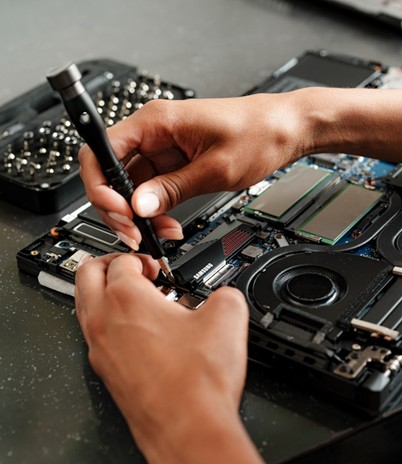
Industrial electronics generate heat during operation, and if not properly managed, this heat can cause overheating, leading to component failure.
Establish a Preventive Maintenance Plan: Regularly inspect and maintain all electronic equipment.
Train Employees: Ensure that all staff understand how to handle, maintain, and troubleshoot electronic systems.
Document Maintenance Activities: Keep detailed records of maintenance, repairs, and inspections.
Implement Environmental Controls: Use enclosures, climate control, and dust management in sensitive areas.
Invest in Quality Components: Use high-quality parts and components that are suitable for industrial environments.
Industrial electronics are critical to the smooth operation of manufacturing and automation processes. Understanding the common causes of electronic failures and implementing preventive measures can significantly reduce downtime, enhance equipment reliability, and save costs in the long run. By prioritizing maintenance, training, and environmental protection, businesses can ensure that their industrial electronic systems perform optimally for years to come.