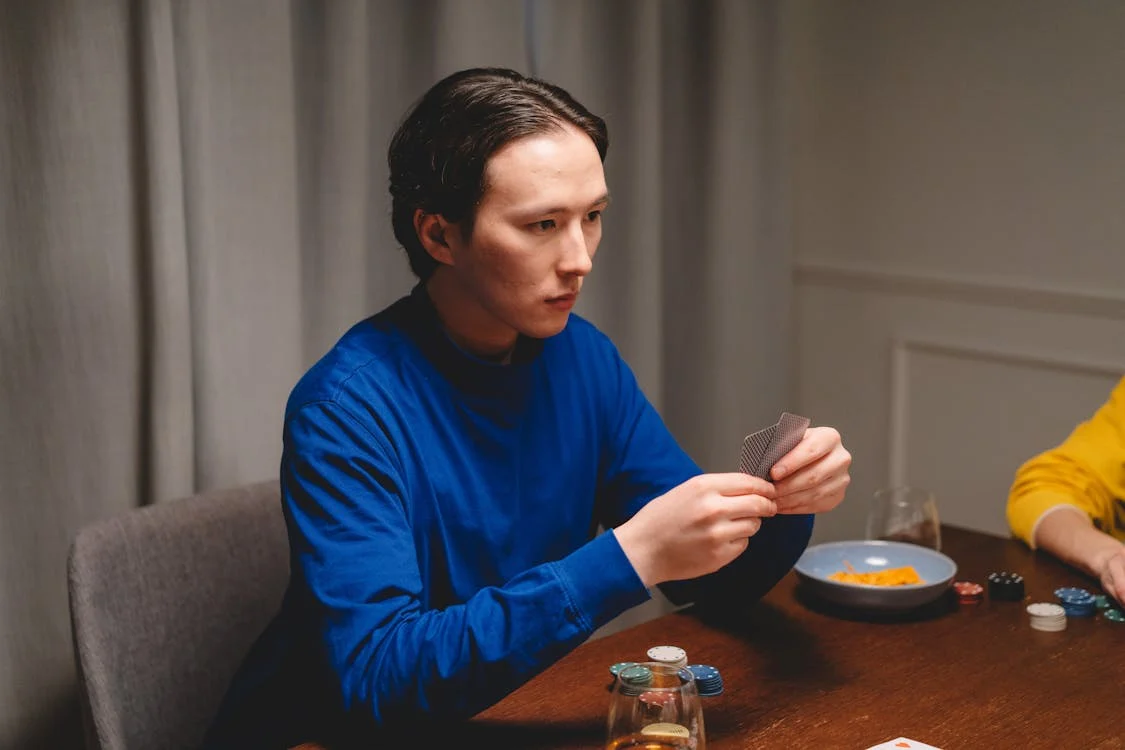
Any player who is serious about poker knows how important it is to be mentally tough and resilient.
Professional poker players even train to improve their mental skills. They know that mental toughness is an essential part of the game.
But how do you build mental resilience? How can you implement a mental strength routine?
Read on to find out.
How to build mental resilience
Here are some tips to build mental resilience.
Boost your confidence
Confidence goes a long way when playing poker. It can help you navigate a poker game with more ease and calmness.
It can also influence other players around you. If you play calmly and confidently, they might think that you have a winning hand.
But how do you develop or boost your confidence before a game? Many athletes repeat positive affirmations before a competition to boost their confidence.
One famous example is Simone Biles at the Paris Olympics. A video has circulated online of Simone Biles telling herself “You got this. It’s your time”.
Simone Biles has done it many times before. She will give herself a little pep talk and repeat words or sentences like ‘Confidence’ and ‘You’ve got this’.
Recent studies link positive self-talk to lower stress levels and better performance. Simone Biles knows this and understands how self-affirmations can help her win.
You can also start using self-affirmations to improve your poker performance.
Fake it until you make it
If you are struggling to feel confident, then fake it until you make it.
Repeat positive affirmations and act confident. Shut down any negative self-talk and thoughts as soon as they appear.
Do not reinforce negative thought patterns. Instead, try to replace them with positive ones.
This might not feel natural at first but, over time, your thought pattern will change. Eventually, your brain will naturally gravitate towards more positive and encouraging self-talk.
It is all about practice and perseverance. The same applies to other aspects of poker gaming.
If you are not an experienced bluffer, fake it until you make it. Act like you know what you are doing at the poker table.
When it comes to mental toughness at poker, a lot of it is about believing rather than actually being. So, choose to believe that you are an excellent bluffer.
If bluffing feels too intimidating, you might want to consider online poker. Players are usually anonymous which means no one will see your facial expressions.
Online poker is also a great option for those who need a bit more time to take a breath and gather their thoughts.
It can give them more time to understand their thought process, regulate their emotions and develop effective coping mechanisms.
Identify your coping mechanisms
Your mental toughness will improve with practice. Athletes and professional poker players practice for years to develop and improve their mental strength.
They start by identifying how their body and their mind react to stressful situations. Every individual is different, so it is important to identify how you react to certain things.
For example, do you fidget when you’re nervous or does your body freeze? Do you have any physical symptoms of stress (e.g. sweating, shaking)?
What thoughts do you have when you face a setback during a game? How do you usually cope with these thoughts and physical symptoms?
Athletes and professional players spend a long time rewatching their games to understand how they play and what they could improve on. They then implement new and improved coping mechanisms.
It might take a while for you to understand how you work and what coping mechanisms suit you best. If you feel stuck, you can try a few of the coping mechanisms listed below.
Coping mechanisms to improve mental resilience
Being anxious before a game is completely normal. However, you want to have the right coping mechanisms in place to keep your stress levels under control.
When anxiety gets out of control, that’s when it can negatively impact your performance.
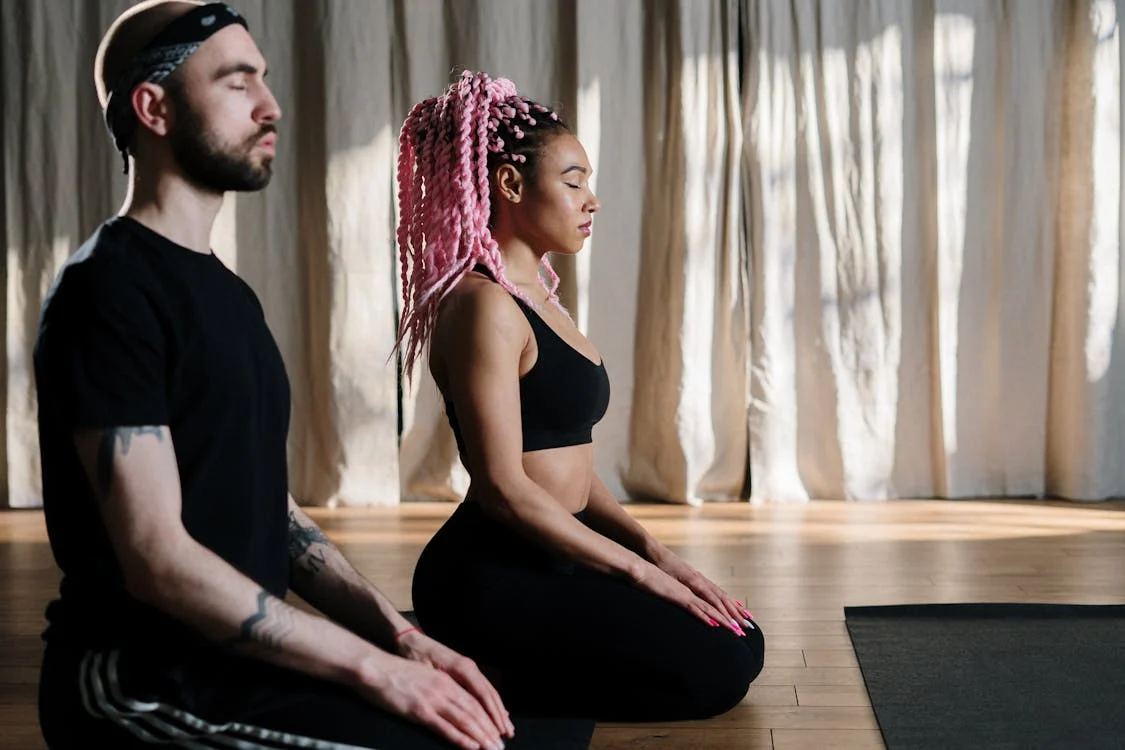
We have already discussed positive affirmations as a useful stress management tool. Here are some more coping mechanisms that many athletes and players use:
It is also important to eat and sleep well before a game. Your mental abilities will not be as strong if you are tired and have not eaten a healthy meal.
It is also recommended to have a good work-life balance and a good support system. Individuals who have great social support are much more likely to be mentally resilient.
Final thoughts
These are some of the ways that you can build mental toughness.
It’s hard work but it’s worth it. Being mentally resilient is helpful in all aspects of one’s life.