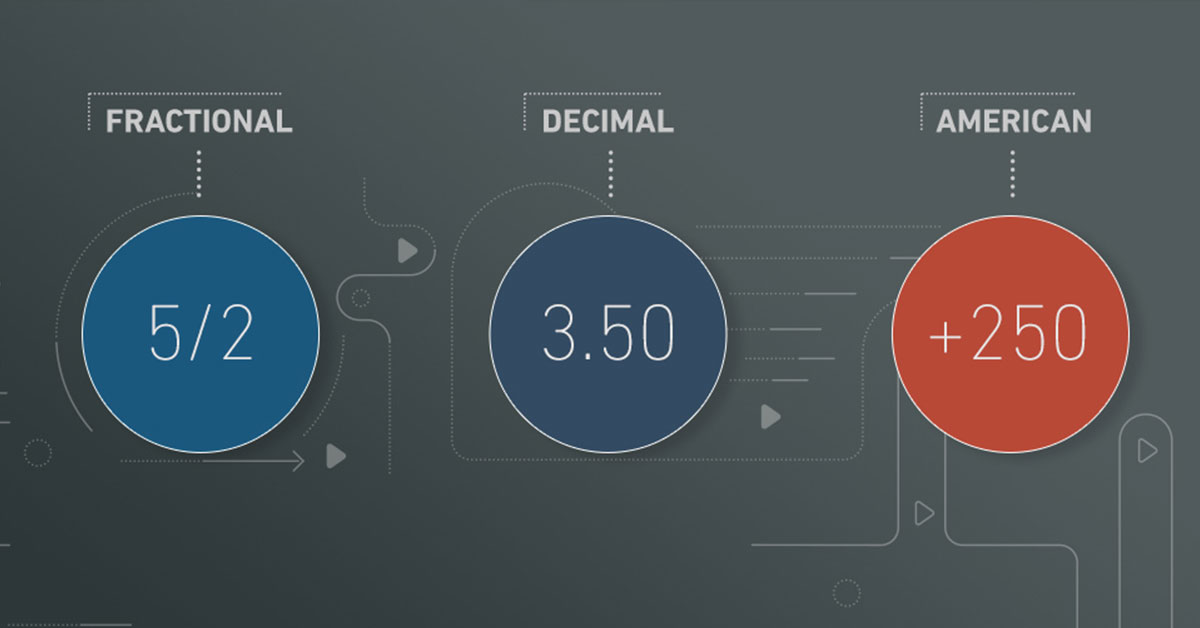
A complete guide to understanding, comparing, and converting the three most common betting odds formats worldwide.
From European football to American sports, odds are the universal language of betting. But depending on where you are, those numbers can look very different. This detailed guide explains the three major formats—decimal, fractional, and moneyline—how to read them, convert them, and use them to your advantage.
In the fast-paced world of sports betting, understanding how odds work is not optional—it’s essential. Odds not only tell you how much you stand to win but also give insight into how likely an outcome is. Yet, these odds can appear in various forms, depending on the region or sportsbook: decimal odds (common in Europe and most of the world), fractional odds (popular in the UK), and moneyline odds (standard in the U.S.).
For new bettors, this can be overwhelming. But don’t worry—once you break each format down, you’ll realize they all express the same idea in different ways. This guide will help you decode these formats, compare bets across platforms, and become a smarter, more informed bettor.
Betting odds are a numerical expression of the probability of a certain event happening, and a way to show how much you can win by placing a bet. They are used by bookmakers in sports betting, casino online, and other games of chance.
Why do you need to know the odds?
Examples: 1.50, 2.00, 3.75
Decimal odds show the total payout per unit staked, including your original bet.
Formula:
Total return = Stake × Decimal odds
Profit = Total return − Stake
Example:
Bet: $100 at odds of 2.40
Examples: 5/2, 4/1, 7/4, 10/11
These show net profit relative to your stake.
Formula:
Profit = Stake × (Numerator ÷ Denominator)
Total return = Profit + Stake
Example:
Bet: $100 at 6/4 (which is 1.5 in decimal)
Examples: +150, -120, +300
Example 1: +200
Bet: $100
Example 2: -150
Bet: $150
Understanding implied probability helps you assess whether a bet offers good value.
Formulas:
Example:
This helps you decide if the bookie's odds reflect realistic expectations—or if you're getting a bargain.
There are online converters, but it’s helpful to understand the process.
To Convert:
Example:
Betting odds are more than just numbers—they represent probability, potential reward, and risk. While decimal, fractional, and moneyline odds may seem different, they are just three ways of expressing the same thing. Understanding how they work and how to convert between them can give you an edge, especially when comparing markets or trying to find value.
Whether you’re betting on the Champions League in Europe, horse racing in the UK, or the Super Bowl in the U.S., being fluent in the language of odds puts you in control.