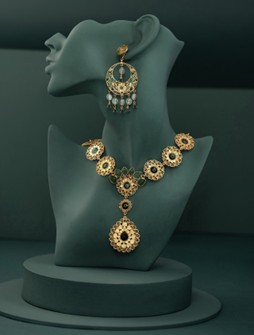
Custom jewelry has long served as a reflection of personal identity, cultural trends, and advances in technology. From the intricate monogrammed lockets of the early 20th century to today’s fingerprint-engraved pendants and bespoke nameplates, personalized jewelry has evolved alongside society itself. Every decade introduced new influences, ranging from global conflict and economic upheaval to celebrity icons and social change, that shaped how individuals expressed themselves through their adornments. In more recent years, pieces like princess cut halo engagement rings have become popular symbols of personal taste and modern elegance. Let’s take a closer look at the fascinating evolution of custom jewelry from the 1920s to today.
The 1920s were a time of liberation and luxury. Known as the “Roaring Twenties,” this decade celebrated prosperity and cultural dynamism after the austerity of World War I. Custom jewelry reflected the Art Deco movement, characterized by geometric shapes, symmetry, and a fascination with machinery and modernity.
Personalization in the 1920s came in the form of engraved lockets, cigarette cases, and compact mirrors. Monograms and initials were common, often etched in elaborate, stylized fonts. Platinum and white gold replaced yellow gold, and jewelers embraced diamonds and colored gemstones arranged in bold, angular patterns. Jewelry wasn’t just decorative - it was a statement of social standing and individual taste.
The Great Depression brought economic hardship, and this was reflected in jewelry trends. During the 1930s, custom jewelry became more subdued, with an emphasis on sentimental value over extravagance.
Materials like sterling silver, marcasite, and rhinestones gained popularity as more affordable alternatives to fine gemstones. Personalized pieces like lockets remained fashionable, often containing photographs or inscriptions. The art of hand engraving flourished, with messages of love, hope, and remembrance etched into rings and pendants, making jewelry deeply personal in a time of scarcity.
World War II had a profound impact on jewelry pieces in the 1940s. With metals like platinum and gold diverted for the war effort, jewelers turned to base metals, Bakelite, and enamel to create wearable art.
Jewelry became highly symbolic during this era. Soldiers gave custom ID bracelets, sweetheart brooches, and engraved lockets to their loved ones before heading to war. These pieces often featured patriotic motifs, such as flags, eagles, or hearts with arrows. Personalization was heartfelt - engraved names, dates, or simple phrases like “Always Yours” carried deep emotional resonance.
Following the war, the 1950s ushered in a period of optimism and prosperity. Jewelry became glamorous again, influenced by Hollywood icons like Audrey Hepburn and Marilyn Monroe. Custom jewelry in the 1950s celebrated family, femininity, and tradition.
Initialed pendants and birthstone rings became wildly popular, especially as gifts for mothers and grandmothers. “Mother’s rings,” adorned with children’s birthstones, were introduced during this decade and remain a cherished custom jewelry staple. Pieces were often dainty, feminine, and crafted from gold, symbolizing stability and prosperity in postwar America.
The 1960s marked a cultural revolution, and custom jewelry reflected the countercultural spirit of the time. As youth movements gained momentum, jewelry became a means of rebellion and self-expression.
Handmade and artisanal jewelry gained popularity, with materials like leather, wood, turquoise, and silver taking center stage. Engraved peace symbols, nameplate necklaces, and zodiac-themed pieces reflected the spiritual and bohemian values of the era. Customization was more raw and expressive, embracing imperfection and individuality.
The 1970s were defined by diverse trends - from the disco fever of Studio 54 to the earthy vibes of bohemian fashion. Custom jewelry saw a blending of boldness and spirituality, with pieces that were both loud and meaningful.
Large gold medallions, signet rings, and engraved ID bracelets were status symbols. Personalized name necklaces gained popularity (especially in urban communities), often adorned with script fonts and glittering accents. On the other end, boho-inspired custom pieces used natural materials and meaningful symbols like the tree of life, yin-yang, or animal motifs.
If there was ever a decade that loved excess, it was the 1980s. Custom jewelry exploded in both size and sparkle. The rise of hip-hop culture and MTV introduced a new level of visibility and swagger to jewelry.
Monogrammed earrings, thick gold chains, and custom nameplate pendants became fashion essentials. Jewelry became more than just a personal accessory - it was a statement of power, identity, and wealth. In urban and African-American communities, personalized gold jewelry became intertwined with cultural pride, creativity, and expression.
The 1990s brought a mix of aesthetics - grunge, preppy, hip-hop, and minimalist chic. Custom jewelry responded by offering diverse forms of personalization.
Nameplate necklaces remained popular, particularly with younger consumers. Meanwhile, minimalist trends ushered in bar necklaces engraved with initials or coordinates, small charms representing hobbies or beliefs, and engraved promise rings. Jewelry was often layered, creating a sense of curated individuality.
In hip-hop, oversized custom pendants continued to reign, with artists commissioning jewelers to design bespoke “bling” that represented their persona or brand.
With the rise of the internet and celebrity tabloids, fashion became increasingly influenced by pop culture icons. Paris Hilton, Beyoncé, and Jennifer Lopez popularized glitzy, personalized jewelry, bringing back bold name necklaces and charm bracelets.
Laser engraving technology allowed for more detailed personalization - from fingerprints and signatures to full-color photo jewelry. Monogrammed cufflinks, name rings, and custom dog tags gained popularity across both men’s and women’s fashion. Personalization was no longer niche - it was a full-blown trend.
The 2010s saw a major boom in the custom jewelry industry, thanks to social media, e-commerce, and influencer culture. Jewelry brands began offering customization as a core service, allowing customers to design their own pieces online.
Trends included:
Etsy and Instagram gave rise to thousands of independent jewelers offering one-of-a-kind pieces, often with a focus on sustainability and ethical sourcing.
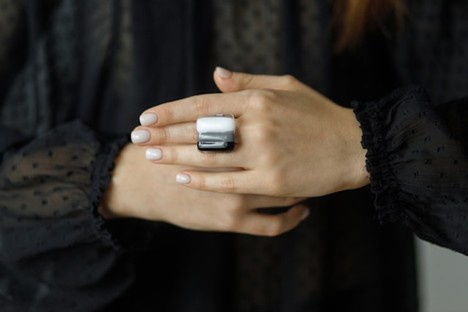
As we move further into the 2020s, custom jewelry continues to evolve with an emphasis on sustainability, inclusivity, and emotional storytelling. Consumers want pieces that are not just stylish but meaningful - representing their values, heritage, relationships, and identity.
Technology allows for 3D printing, blockchain certification, and AI-assisted design, making custom jewelry more precise and accessible than ever. Popular trends include:
Celebrities like Meghan Markle and Rihanna have popularized jewelry that carries emotional weight - be it a subtle tribute to a child, a political cause, or a personal journey.
From ornate Art Deco lockets to AI-designed fingerprint pendants, the evolution of custom jewelry is a stunning reflection of how we express ourselves through fashion. Over the decades, personalized pieces have marked milestones, told stories, and defined identities. As materials, methods, and meanings continue to evolve, one thing remains clear: custom jewelry isn’t just about adornment—it’s about connection. Whether through a name, a date, a symbol, or a memory, personalized jewelry will always hold a timeless place in the human experience.