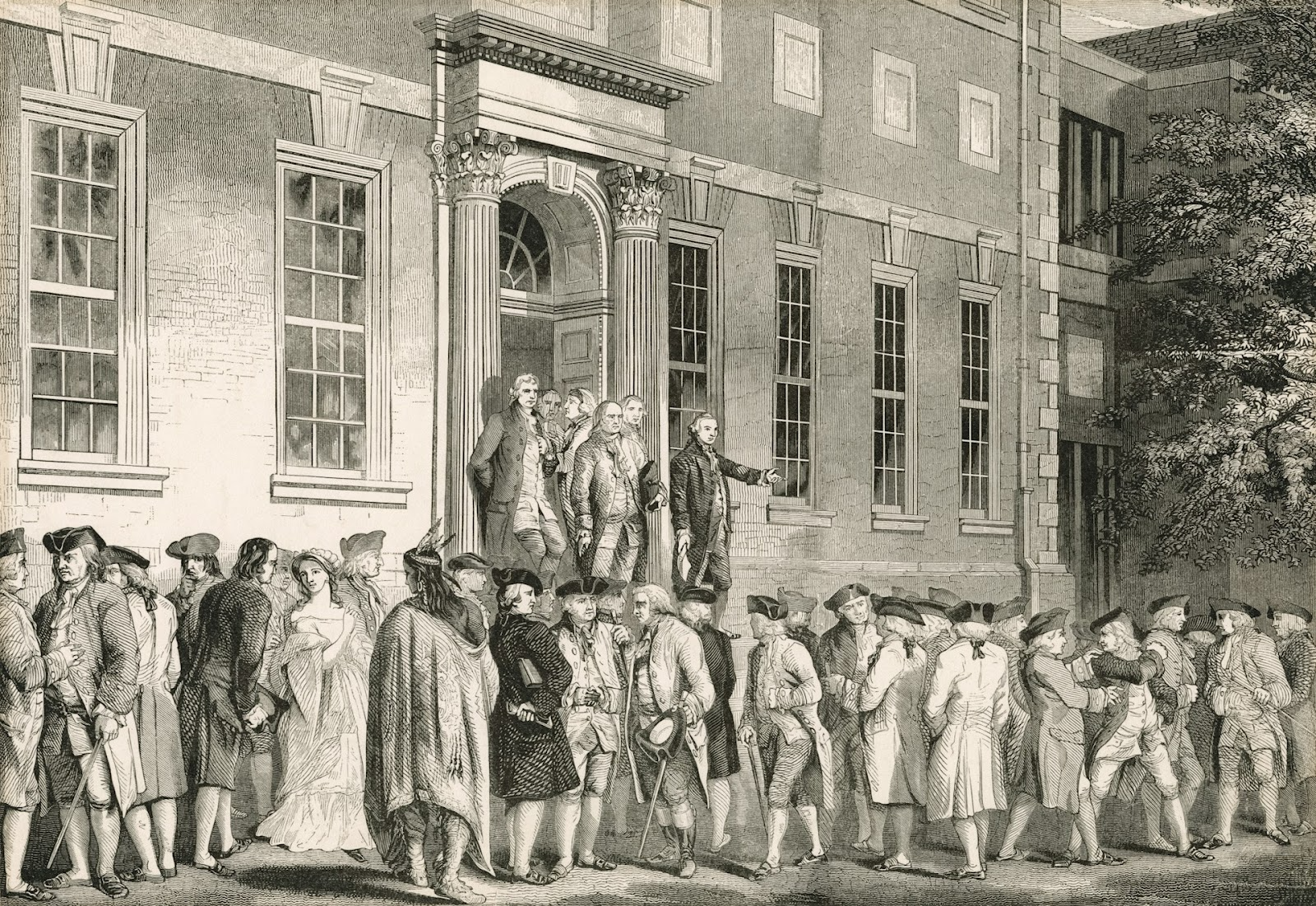
In the records of American history, few documents hold as much significance as the Declaration of Independence. An exploration of the ratification process truly is a journey through the foundational moments that shaped the birth of a nation. It is a narrative that traces the winding path from inception to approval, creating the country America is today.
Learn about this seminal chapter in American history as you navigate the complexities of ratification, the key players in American history, and the journey to bring the Declaration of Independence from an idea to a national foundation. Put on your most patriotic shirts and your thinking caps, and take a trip through American history in this guide.
The story begins in the late 18th century, during a time of growing unrest and calls for change. In a room filled with heated debates and handwritten notes, members of the Continental Congress met to decide the future of the American colonies.
In the summer of 1776, leaders like Thomas Jefferson and John Adams came together to draft a document that would shape history: the Declaration of Independence. Jefferson led the writing process, focusing on the core ideas of democracy and individual freedom.
The result was a powerful text that expressed both the hopes and frustrations of a nation in the making. It wasn’t just a break from British rule — it was a clear and bold message to the world that the colonies were united in their fight for liberty and self-rule.
However, the road to ratifying the Declaration of Independence was far from smooth sailing. Upon its presentation to the Continental Congress, the document sparked impassioned debates and deliberations. Delegates from the thirteen colonies grappled with the weight of declaring independence, with each sentence scrutinized and every word dissected for its implications.
Controversial sections were challenged, compromises were struck, and amendments were proposed. The delicate balancing act between asserting individual liberties and maintaining unity among the colonies demanded meticulous attention.
Through the crucible of debate and negotiation, the Declaration of Independence gradually took shape. It transformed from a straightforward proclamation of intent to a foundational document that would shape the destiny of a nation.
The ratification of the Declaration of Independence was a critical turning point in American history. After its completion on July 4, 1776, the document was sent to the individual colonies for their approval. On July 8, the first public reading of the Declaration took place in Philadelphia, sparking widespread excitement and support.
Each colony moved through the ratification process with care and purpose. Delaware was the first to approve it on July 23, followed by Pennsylvania on July 24. By the end of the year, all thirteen colonies had officially endorsed the Declaration, solidifying their decision to pursue independence.
Though not without challenges, the widespread backing of the Declaration showed the colonies’ clear intent to break away from British rule. The successful ratification marked the official beginning of a new nation, committed to self-rule and the pursuit of freedom.
The impact of the Declaration of Independence didn’t end in 1776 — it helped shape the future of the United States for generations. Its core message reached far beyond the Revolutionary era, influencing the development of the nation's political system and values.
By declaring that all people are born with unalienable rights and that governments should exist to protect those rights, the Declaration laid the foundation for a new kind of democracy. Its key principles of life, liberty, and the pursuit of happiness became touchstones for future struggles for civil rights and social progress, both in the U.S. and around the world.
These ideas weren’t just words on parchment. They sparked real change, setting the tone for the American identity and encouraging future generations to push for a more inclusive and just society. Even today, the Declaration continues to be a symbol of the country’s ongoing journey toward its founding ideals.
The ratification of the Declaration of Independence was a defining moment in American history that showed the strength and determination of a young nation ready to shape its own future. From the discussions held in the Continental Congress to the celebrations in the streets, each step reflected the commitment to building a country founded on freedom.
As you look back on the events of 1776, remember the hard choices, the risks taken, and the pride felt by those who stood up for independence. The Declaration, with its lasting message and values, continues to remind us that once the pursuit of freedom begins, it’s a force that can’t be put out.
Featured image:
The Miriam and Ira D. Wallach Division of Art, Prints and Photographs: Print Collection, The New York Public Library. "John Nixon reading the Declaration of Independence to the people in front of the State House immediately after its passage." The New York Public Library Digital Collections. https://digitalcollections.nypl.org/items/510d47db-b097-a3d9-e040-e00a18064a99