
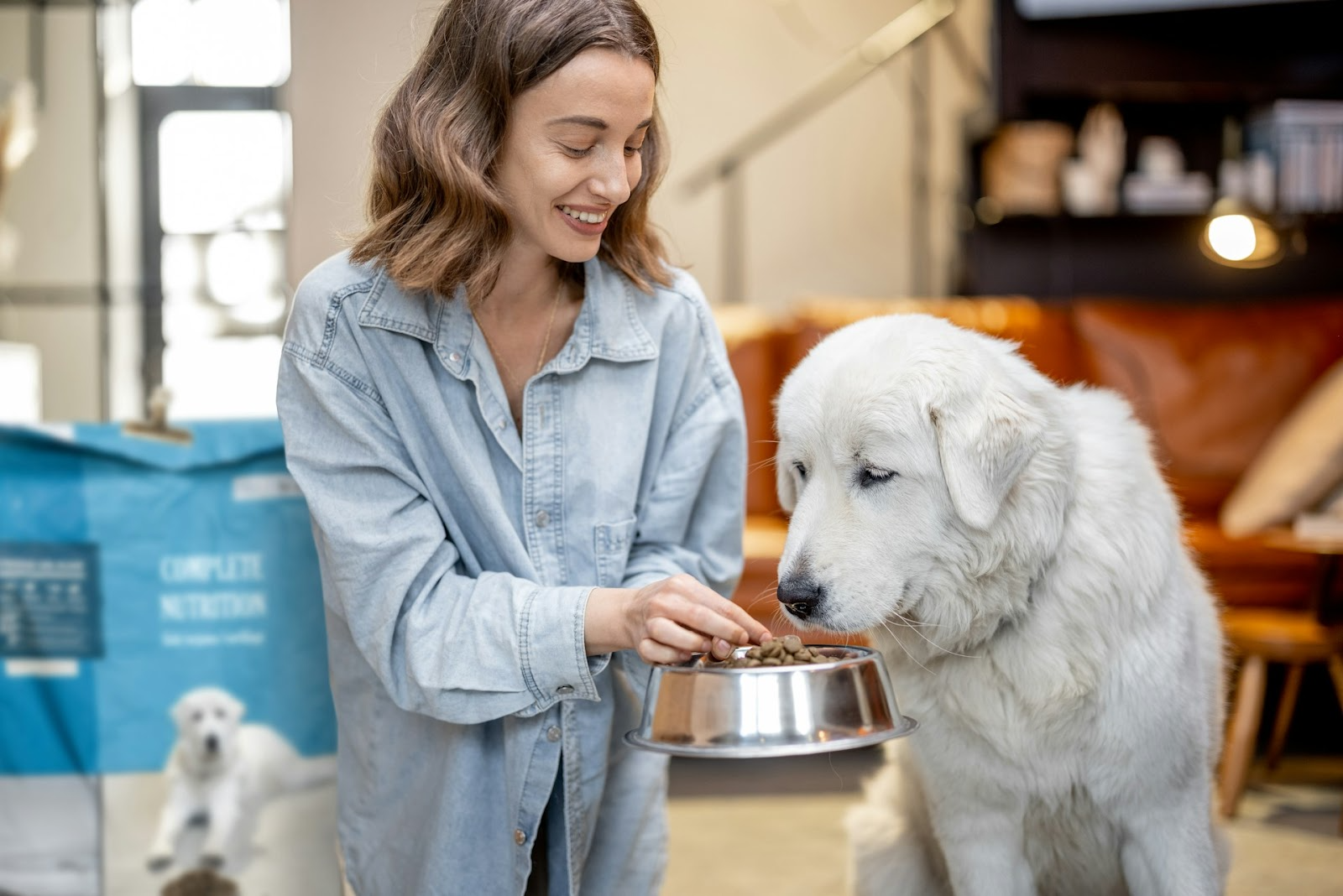
Having a picky-eater dog can be a challenging experience for any pet owner. The daily battle of trying to coax your dog into finishing their meal can be frustrating and worrisome. However, there are effective strategies out there can help you understand the behaviors of picky eaters and ensure your dog is getting the nutrition they need.
This article examines the nuances of picky eating habits in dogs and provides actionable advice to help you tackle this common issue with confidence.
Understanding why your dog is a picky eater is the first step toward addressing the behavior. Dogs may exhibit picky eating habits due to various reasons, such as the texture of their food, the taste preferences they have developed, or past negative associations with mealtime.
It’s important to acknowledge that picky eating habits can develop at any stage of a dog's life. They should be addressed proactively to prevent nutritional deficiencies and health complications down the road.
Nutrition is essential for maintaining your dog's overall health and well-being. Just like humans, dogs require a balanced diet to thrive and stay healthy. When it comes to picky eaters, ensuring they receive adequate nutrition becomes even more important.
High protein dog food offers a range of benefits for picky eaters, as protein is essential for muscle development, energy production, and overall bodily functions in dogs. By incorporating high-protein dog food into your pet's diet, you can provide them with a nutritious, appealing option that may help entice even the most discerning of eaters.
Encouraging a picky eater to enjoy their meals can be intimidating for dog owners. These tips, combined with patience and consistency, can turn mealtime into a positive and enjoyable experience for both you and your dog.
One effective strategy to encourage picky eaters is to mix up their food options. By rotating between different types of dog food, textures, and flavors, you can keep mealtimes interesting for your dog. Gradually transitioning between foods can also help prevent digestive upsets and allow your dog to adjust to new flavors more easily.
Enhance the appeal of your dog's meals by incorporating tasty toppings and mix-ins. Consider adding a spoonful of plain yogurt, cooked lean meats, or even a dollop of pumpkin puree to your dog's food. These additions not only make the meal more enticing but also offer additional nutrients and flavors to entice your picky eater.
Establishing a consistent feeding schedule is essential for picky eaters. Dogs thrive on routine, so setting specific meal times each day can help regulate their appetite and create a sense of predictability around mealtime. Avoid leaving food out all day and instead opt for structured feeding times to encourage your dog to eat when food is provided.
Turn mealtime into an engaging experience for your picky eater by introducing interactive feeding toys or puzzles. Gamifying mealtime can stimulate your dog's mind while encouraging them to eat. Additionally, using food-dispensing toys can make mealtime more interactive and rewarding, transforming it from a chore into an enjoyable activity for your dog.
If your efforts to encourage your picky eater have not been successful, it may be time to seek advice from your veterinarian. Your vet can help rule out any underlying health issues that may be contributing to your dog's picky eating habits. They can also provide tailored recommendations or suggest specialized diets to address your dog's specific nutritional needs.
While it can be tempting to give in to your dog's begging behaviors or offer treats to entice them to eat, this can reinforce picky eating habits. Avoid constantly changing your dog's food or giving them table scraps, as this can disrupt their appetite and lead to further pickiness.
Leaving food out all day for your dog to graze on can hinder their appetite regulation and lead to picky eating behaviors. Instead, offer meals at set times and pick up any uneaten food after a reasonable period to establish a structured feeding routine.
Patience is key when dealing with picky eaters. It may take time for your dog to adjust to new foods or feeding routines, so consistency is important. Avoid making drastic changes too quickly and allow your dog time to adapt to new feeding strategies.
Dealing with a picky eater dog can be challenging, but with patience, understanding, and the right strategies, you can help your dog develop healthier eating habits. By mixing up their food options, adding tasty toppings, creating a feeding routine, and making mealtime fun, you can entice even the pickiest of eaters to enjoy their meals.











