
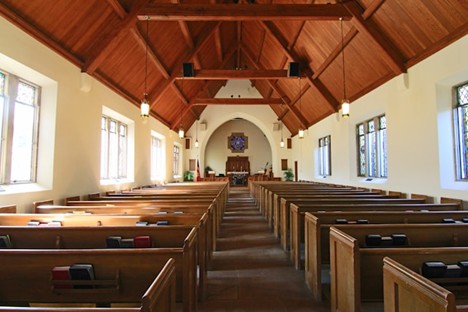
Sound quality is a vital component of any worship experience. In larger worship halls, achieving clear and balanced audio can be difficult due to elements like high ceilings, reflective surfaces, and diverse seating arrangements. Understanding how to design effective sound paths is crucial. Incorporating tools like shotgun mics can help focus audio capture on the speakers or performers, ensuring that the sound remains clear and precise throughout the space.
Sound paths refer to the routes that sound waves take from their source - such as speakers, musical instruments, or vocalists - directly to the ears of the audience. In large worship halls, these paths can be influenced by a variety of factors that affect the clarity, balance, and overall quality of the sound. Understanding these variables is essential for designing an effective acoustical environment. Here are some key aspects that influence how sound behaves in these spaces:
Room Shape and Size: The shape and size of a room significantly impacts how sound waves travel. For instance, square or rectangular rooms tend to have distinct acoustic properties, with certain frequencies reflecting or bouncing off walls, creating uneven sound distribution. In contrast, fan-shaped or auditorium-style rooms can offer more consistent sound coverage, as they are designed to direct sound towards the audience in a more uniform manner. The size of the room also determines how long it takes for sound to reach the audience, influencing factors like echo and reverberation.
Ceiling Height: High ceilings, often found in larger worship halls, can create both opportunities and challenges for sound quality. When sound waves travel upwards, they can bounce off the ceiling, leading to echoes and unwanted reverberation. If the ceiling is too high, these reflections can make it difficult to maintain clarity, especially for spoken words or music with intricate details. Properly managing ceiling height, whether through the use of acoustic panels or strategically placed speakers, can help minimize these issues and maintain clear, intelligible audio.
Surfaces and Materials: The materials that make up the walls, floors, and ceilings of a worship hall play a pivotal role in how sound waves behave. Hard, reflective surfaces bounce sound waves, creating a potential for echoes, especially in large spaces. On the other hand, soft materials like carpet, fabric-covered seats, and acoustic panels absorb sound, which can help prevent excessive reverberation and improve overall sound clarity. By carefully selecting materials, or introducing acoustic treatments, the balance between sound reflection and absorption can be optimized to achieve the desired audio experience.
Speaker Placement: The positioning of speakers is another critical component in determining how evenly sound is distributed throughout the worship space. If speakers are placed too close to reflective surfaces like walls or ceilings, the sound may be distorted or delayed as it bounces off these surfaces before reaching the audience. Conversely, speakers placed too far apart may create gaps in coverage, leaving certain areas of the room with poor sound quality. By strategically positioning the speakers to create even coverage, you can ensure that every listener experiences clear, balanced sound.
Understanding how these elements interact is key to designing a space where every element of the worship experience, from the sermon to the music, can be heard clearly by all. Whether through acoustic treatments, careful speaker placement, or specialized equipment, creating effective sound paths is essential for enhancing the overall worship experience.
Begin by conducting an acoustic analysis of the worship hall. This can be done through software or by working with an acoustics expert. Key factors to assess include:

Selecting the right speakers is crucial for achieving effective sound coverage in a worship space. The type of speaker system you choose can greatly impact how sound is distributed throughout the room, ensuring clarity, balance, and an immersive audio experience for every member of the congregation, such as:
Line Array Systems: Line array systems are an excellent choice for large spaces, particularly in worship halls with high ceilings or complex acoustics. These systems consist of a series of vertically arranged speakers, which work together to project sound evenly across a broad area. The primary advantage of line array systems is their ability to distribute sound consistently from front to back, minimizing the risk of hot spots (areas that are too loud) and dead spots (areas with poor sound quality). They also reduce unwanted reflections by directing the sound toward the audience, rather than allowing it to bounce off walls or ceilings. This makes them ideal for large worship halls, where even coverage is essential to ensure that everyone in the room can hear the sermon, music, and other sounds with equal clarity and volume.
Distributed Speakers: In some cases, distributed speaker systems may be more effective than a single, central speaker array, especially in irregularly shaped rooms or venues with multiple seating levels. This system involves placing multiple smaller speakers throughout the hall to ensure consistent audio coverage across the entire space. Distributed speakers can be strategically located near seating areas to avoid sound drop-offs and ensure that sound reaches listeners at the farthest corners of the room. The advantage of distributed systems is that they allow for more flexibility in speaker placement, which can be particularly useful in spaces with unique architectural features or uneven seating arrangements. With this system, sound levels remain balanced throughout the worship hall, preventing certain sections from experiencing overpowering sound while others struggle to hear.
Subwoofers: Subwoofers are an essential component for any worship space that features music-heavy services or requires a richer, fuller sound profile. These speakers are designed to handle low-frequency sounds, such as bass notes and drum beats, which are often critical in creating an immersive audio experience. In worship services with contemporary music, including those that feature a full band or electronic instruments, subwoofers ensure that bass frequencies are deep, impactful, and clear, without overpowering the mid-range and high frequencies. When integrated properly into a sound system, subwoofers enhance the overall balance of the audio, making music feel more dynamic and engaging. However, careful placement of subwoofers is important to avoid muddling the sound or creating unnecessary vibrations in the room. Proper tuning ensures that bass is tight and complements the rest of the audio spectrum.
Proper speaker placement is essential for minimizing echoes and dead zones in any worship space. Strategic placement ensures that the sound reaches every listener clearly and evenly, without distortion or gaps in coverage. Achieving this requires careful consideration of the room's acoustics, the design of the space, and the specific needs of the congregation. Below are some important guidelines to keep in mind when positioning speakers:
Aim Speakers Slightly Downward for Better Audience Coverage: One of the most effective techniques for ensuring even sound distribution is to angle the speakers slightly downward toward the seating area. This helps direct the sound to the listeners' ears rather than allowing it to bounce off the ceiling, where it could lead to unwanted echoes or reverberation. By directing the sound towards the audience at an optimal angle, the clarity of speech and music is significantly improved, and the risk of uneven audio levels throughout the room is reduced.
Use Delay Speakers for Areas Far from the Main Stage: Delay speakers are strategically placed to cover these distant areas, ensuring that the sound reaches the audience at the same time as the sound from the main speakers. By introducing a slight delay in the sound emitted by these secondary speakers, you can synchronize the sound waves across the room, eliminating phase issues and preventing the sound from becoming muddy or disjointed. This is especially important in large venues, where sound from the primary speakers may reach some areas too late, leading to a disorienting auditory experience.
Avoid Placing Speakers Near Reflective Surfaces: One common mistake in speaker placement is positioning them too close to reflective surfaces, such as walls, glass, or windows. These surfaces can bounce sound waves back into the room, creating echoes or comb filtering (a phenomenon where certain frequencies are amplified or canceled out due to reflection). To prevent this, it’s best to place speakers in areas where they are not directly facing hard, reflective surfaces. Instead, speakers should be positioned in ways that allow the sound to travel freely to the audience without bouncing off nearby surfaces. If avoiding reflective surfaces is not possible, it may be beneficial to incorporate sound-absorbing materials or acoustic treatments in the areas around the speakers to minimize reflections.
Managing reflections and echoes is a critical aspect of creating clear, balanced sound in a worship space. Reflections occur when sound waves bounce off surfaces like walls, ceilings, and floors, leading to unwanted echoes that can muddle the audio. To minimize these, it’s important to use acoustic panels on walls and ceilings to absorb sound and prevent excessive reverberation.
Additionally, installing sound-diffusing materials can help scatter sound waves more evenly, reducing the likelihood of sharp reflections. Carpeted floors or upholstered seating further contribute to sound absorption, creating a more controlled acoustic environment. Once reflections are managed, achieving a balanced sound experience throughout the entire worship hall is essential.
This involves calibrating sound levels with a sound meter to ensure consistency, adjusting the volume based on the distance from the stage (louder toward the back, softer near the front), and using a digital soundboard for precise control over audio settings. For new worship spaces, it’s also important to work with architects to integrate acoustic features into the building’s design. Curved walls can direct sound toward the audience, while suspended acoustic clouds can enhance clarity without affecting the room’s aesthetics. Built-in speaker mounts ensure speakers are placed properly, helping to avoid clutter and maintaining a sleek, functional space. Together, these steps help create a worship environment where sound is clear, balanced, and immersive for all who gather.
Designing sound paths for larger worship halls requires a combination of careful planning, the right equipment, and ongoing maintenance. By following these steps, you can ensure that every service offers a clear, immersive audio experience, enhancing the spiritual impact for your congregation.











