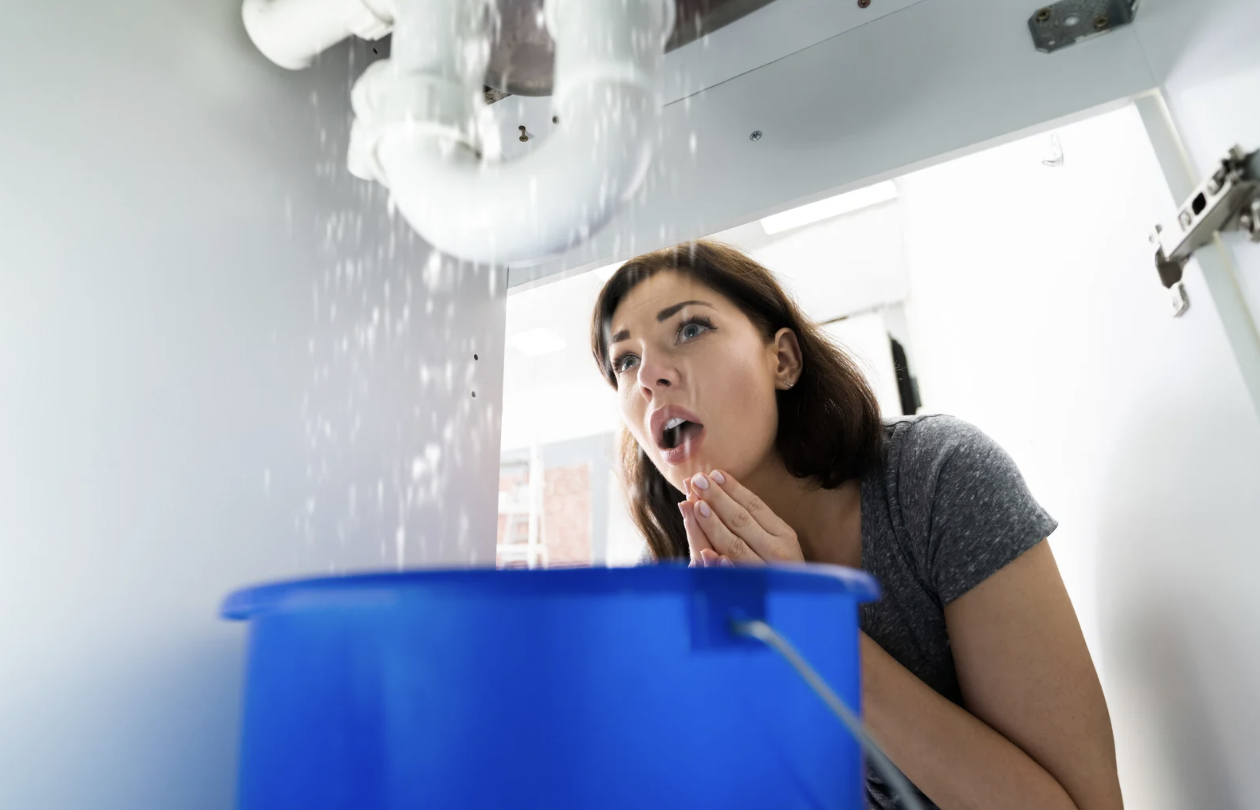
Are you tired of unexpected plumbing disasters ruining your day and draining your wallet? You're not alone. Many homeowners face this challenge, but it doesn't have to be your story. With some simple preventive care and an occasional call to professional plumbers in Gainesville throughout the year, you can avoid most plumbing emergencies before they happen.
According to HomeAdvisor, the average emergency plumbing repair costs between $200 and $700, with some severe cases climbing well into the thousands. Even more concerning, water damage from plumbing failures is the second most common home insurance claim in America, with an average claim costing $10,900.
Let's break down what you need to do each season to keep your pipes flowing and your budget intact.
Spring is the perfect time to check how your plumbing weathered the winter and prepare for warmer months ahead.
After the last frost, walk around your home's exterior and look for signs of cracks or damage to exposed pipes. Winter's freeze-thaw cycles can be brutal on plumbing.
Clogged gutters can cause water to back up and damage your home's foundation, potentially leading to basement flooding. Clear out all debris and make sure water flows freely away from your home.
Spring often brings heavy rains, making your sump pump essential for preventing basement flooding.
Pro tip: Consider installing a battery backup for your sump pump if you live in an area prone to power outages during storms.
Summer often means travel and higher water usage, creating unique plumbing challenges.
High water pressure might feel nice in the shower, but it puts extra strain on your pipes. Experts from American Water Resources note that pressure above 80 psi can damage plumbing systems over time.
With summer comes more laundry from outdoor activities. Washing machine hoses are among the most common causes of indoor flooding.
Before leaving for vacation, everyone in your household should know where this critical valve is located and how to operate it. In a plumbing emergency, quickly shutting off the water supply can prevent thousands in damage.
A running toilet can waste up to 200 gallons of water daily! Place a few drops of food coloring in the tank. If color appears in the bowl without flushing, you have a leak that needs fixing.
If these issues seem too complex to handle on your own, contacting the best plumber in Boulder Colorado can save you time and prevent improper repairs that might lead to bigger problems.
Fall is your last chance to get your plumbing winter-ready before temperatures drop.
Pipes in unheated areas like basements, attics, and crawl spaces are vulnerable to freezing. Invest in foam pipe insulation sleeves, they're inexpensive and easy to install.
Leaving hoses connected during winter can cause ice to back up into your pipes, creating pressure that leads to cracks or bursts.
Many homes have shut-off valves inside for exterior faucets.
Sediment builds up in water heaters over time, reducing efficiency and potentially causing damage.
A study by the Insurance Institute for Business & Home Safety found that homes in southern states actually have a higher frequency of freeze-related pipe damage than northern regions, primarily because homes aren't built with the same cold-weather protections and homeowners may be less vigilant about freeze prevention.
Winter is when most catastrophic plumbing failures occur, but simple precautions can keep your system safe.
Never let your home temperature drop below 55°F, even when traveling. The money saved on heating won't come close to covering the cost of burst pipes.
When temperatures plummet, allowing faucets to drip slightly relieves pressure in the pipes, reducing freeze risk.
During cold snaps, open kitchen and bathroom cabinet doors to allow warm air to circulate around pipes against exterior walls.
Feel around window sills, doors, and where pipes enter your home for cold air. Seal these areas with caulk or insulation to prevent freezing.
If you notice these signs, call a professional immediately before the pipe bursts.
Some plumbing care should happen regardless of season:
An unexpected increase in your water bill often signals a leak somewhere in your system. According to the EPA, the average household leak wastes nearly 10,000 gallons of water annually, enough to wash 270 loads of laundry.
No matter what products claim, these items should never enter your plumbing:
That minor drip might seem insignificant, but small issues rarely resolve themselves. Small leaks often indicate worn washers, loose connections, or other problems that will only worsen with time.
Even with diligent DIY maintenance, having a professional plumber inspect your system annually can catch problems you might miss. Think of it as a physical exam for your home's circulatory system.
Beyond the immediate repair costs, plumbing emergencies can have lasting financial consequences. Credit repair companies like ASAP Credit repair, reports seeing clients whose credit scores dropped significantly after taking on debt for major home repairs. Water damage restoration, mold remediation, and replacement of damaged belongings can quickly escalate into five-figure expenses.
When homeowners can't pay these unexpected costs upfront, they often resort to high-interest credit cards or loans, creating long-term financial strain. Preventing plumbing disasters protects not just your home, but your financial future.
Every home should have these items ready for plumbing emergencies:
While many maintenance tasks are DIY-friendly, some situations always warrant professional attention:
Taking care of your home's plumbing isn't just about avoiding repair bills, it's about protecting your property value, conserving water resources, and ensuring your family's comfort and safety. By following this seasonal maintenance checklist, you're investing a small amount of time now to prevent major headaches later.
Remember that prevention is always less expensive than emergency repairs. Just as you wouldn't skip oil changes in your car, don't neglect your home's vital plumbing systems. A little attention throughout the year keeps everything flowing smoothly.
For tasks beyond your comfort level, professional help is worth every penny. After all, proper installation and maintenance from qualified professionals typically costs far less than emergency services and repair of water damage.
With this checklist in hand, you're well-equipped to keep plumbing disasters at bay and enjoy your home worry-free through every season.