
Moving involves more than just packing boxes and renting a truck. One of the most overlooked yet essential aspects of a successful move is understanding the difference between a property's total square footage and its usable space, notes the property management team at IIP Management. While square footage provides a snapshot of a home's size, it doesn’t reveal how much space is actually livable or practical for everyday use. Grasping the distinction between these two measurements can help you plan more effectively, avoid unnecessary moving expenses, and optimize your new living environment.
In real estate, square footage is often highlighted as a selling point, but it doesn’t always reflect the home’s true functionality. Real estate agents and property listings typically include all areas within the exterior walls, encompassing non-livable spaces like garages, attics, and unfinished basements. However, these areas may not contribute to your day-to-day living experience. Understanding what counts as usable space can provide a clearer picture of how much room you actually have for furniture, storage, and everyday activities.
For those preparing to relocate, the distinction between square footage and usable space is especially significant. A home that appears spacious on paper may feel cramped once furniture is placed in non-livable areas. By accurately assessing the usable space, you can make more strategic packing and moving decisions, reducing the risk of overcrowding your new home with unnecessary belongings.
What is Included in Square Footage of a House?
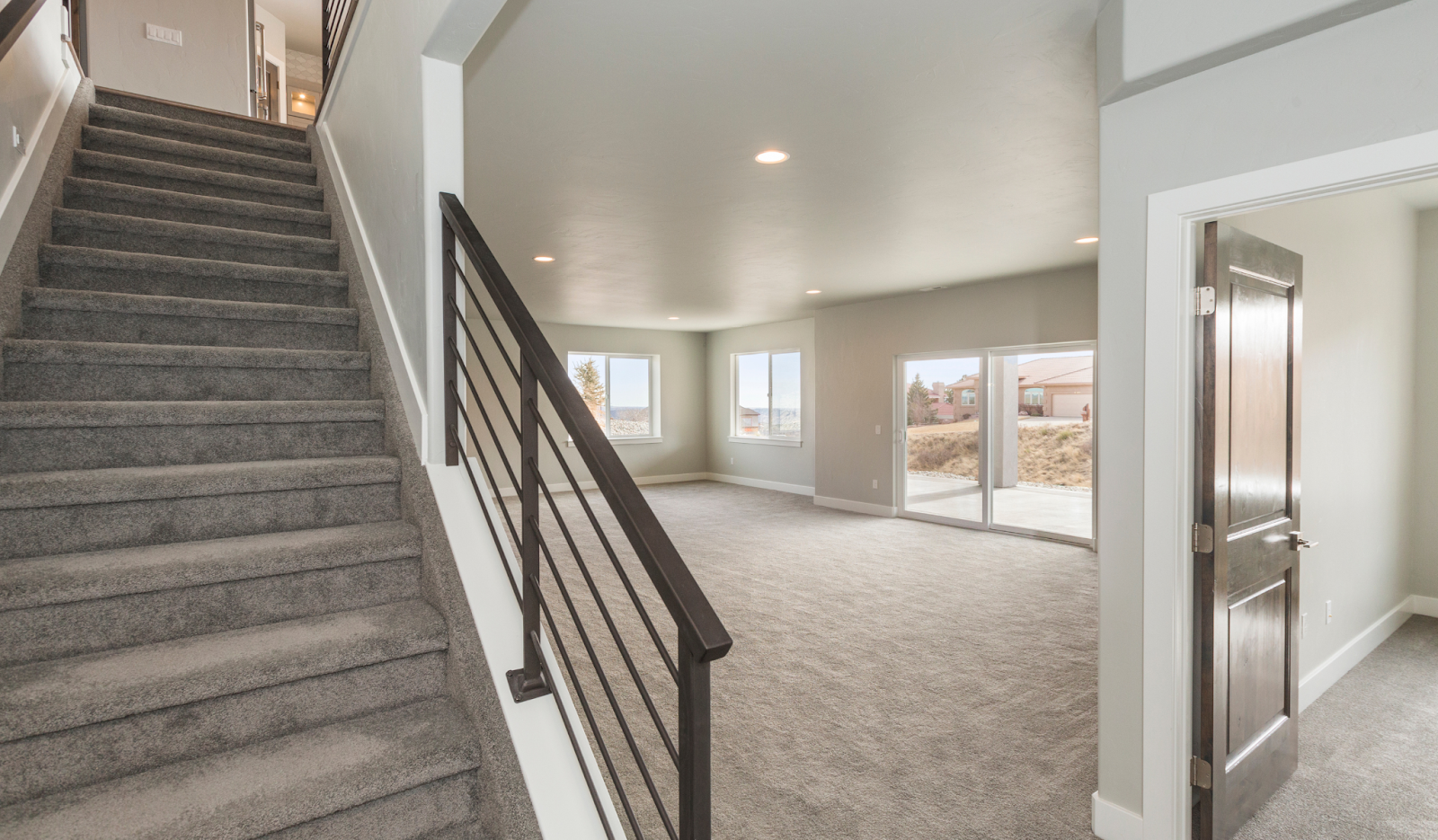
Calculating square footage is a fundamental step in evaluating a property’s size, value, and potential usability. However, not all areas within a home contribute equally to the overall square footage. Understanding what is included — and what is excluded — can clarify how much functional space a home truly offers.
1. Living Areas:
Living areas are the primary spaces where day-to-day activities occur. These rooms are always included in square footage calculations and typically encompass:
- Bedrooms: Each bedroom’s floor area is measured and added to the total square footage. Closets within bedrooms are also considered part of the overall space.
- Living Rooms: Open living spaces, dens, and family rooms are calculated as part of the livable area. Rooms that serve as home offices or secondary living areas also contribute to the total square footage.
- Dining Rooms: Formal dining rooms and breakfast nooks are included as designated living spaces. Even if a dining area is part of an open floor plan, its square footage is still counted.
- Kitchens: Kitchens, including islands, counters, and walk-in pantries, are integral to square footage calculations. Kitchens often represent a substantial portion of the total living area due to cabinetry and appliance installations.
- Bathrooms: All bathrooms, regardless of size or configuration, are counted as living space. This includes master bathrooms, guest baths, half baths, and ensuite bathrooms.
2. Finished Basements and Attics:
Not all basements and attics are counted as square footage. Whether these areas are included depends on their level of completion and accessibility.
- Finished Basements: Basements that are fully finished, heated, and accessible via a permanent staircase can be included in square footage. However, some real estate markets require basements to have windows or egress points to be considered livable space.
- Unfinished Basements: Unfinished basements are generally excluded unless they provide significant storage space or functional utility areas.
- Attics: Attics with sufficient headroom, proper insulation, and finished floors may be counted in the total square footage. Attics accessed via pull-down ladders or crawl spaces are typically excluded unless they meet local building code standards.
3. Garages:
Garages present a unique consideration in square footage calculations. While they are not considered livable space, some listings include garages to emphasize storage capacity or conversion potential.
- Attached Garages: If the garage is connected to the main structure and accessible from inside the home, it may be included in the total square footage.
- Detached Garages: Standalone garages are usually excluded from the main house’s square footage but may be noted separately in property listings.
- Converted Garages: Garages that have been converted into functional living spaces, such as guest rooms or studios, can be included if they meet local building code requirements and are adequately heated, cooled, and finished.
4. Hallways and Staircases:
Hallways and staircases are essential transitional spaces that connect rooms and levels. Despite not being primary living areas, they are always included in square footage calculations.
- Hallways: Long corridors, entryways, and foyers contribute to the total square footage. While they may not provide usable space for furniture placement, they serve as critical pathways within the home.
- Staircases: Staircases are calculated as part of the overall square footage on both levels they connect. For example, a staircase spanning two floors may be counted twice, once for each floor.
5. Storage Rooms and Closets:
Storage rooms and closets can either be included or excluded from square footage calculations based on their size, accessibility, and level of completion.
Walk-In Closets: Walk-in closets located within bedrooms are typically included as part of the bedroom’s square footage.
Pantries and Utility Rooms: Pantries adjacent to kitchens and laundry rooms with finished floors are considered part of the total square footage.
Unfinished Storage Areas: Spaces with unfinished walls, exposed pipes, or limited headroom are generally excluded, as they do not meet the criteria for livable space.
6. Mechanical Rooms and Utility Areas:
Mechanical rooms housing HVAC systems, water heaters, and electrical panels are necessary but not typically counted as livable space. These areas are often unfinished and inaccessible for general use.
- Boiler Rooms: Small rooms dedicated to heating and cooling systems are excluded from square footage.
- HVAC Closets: Closets containing only mechanical equipment are not considered usable space and are omitted from calculations.
7. Outdoor Spaces:
Outdoor areas such as balconies, patios, and decks can enhance the overall living experience but are generally not included in square footage. However, in some luxury properties or multi-level homes, covered patios and enclosed porches may be listed separately as additional living space.
- Balconies and Decks: These spaces may be mentioned in property descriptions but are not part of the official square footage.
- Sunrooms and Enclosed Porches: If fully enclosed, climate-controlled, and structurally integrated with the main house, these areas can be considered livable space.
8. Exceptions and Special Considerations:
Real estate markets vary in how they define and calculate square footage. Local building codes, property types, and regional standards can all influence whether specific areas are included or excluded.
- Ceiling Height Requirements: Rooms with low ceilings, sloped roofs, or uneven floors may not qualify as livable space. For example, attic spaces with less than 7 feet of clearance are typically excluded.
- Room Accessibility: Spaces only accessible by ladders, crawl spaces, or exterior doors may not be considered part of the primary living area.
- Heating and Cooling: For areas to be included in square footage, they must be adequately heated, cooled, and finished with flooring, walls, and ceilings.
By understanding what is included in square footage calculations, homebuyers can more accurately assess the functional living space available. It also helps sellers present a clear and accurate representation of their property’s layout, avoiding potential disputes or misunderstandings during real estate transactions.
Unusable Space vs. Usable Space: What to Expect
Not all square footage is created equal. While total square footage provides a general overview of a property’s size, it doesn’t accurately convey how much of that space can be practically utilized for living, storage, or daily activities. Understanding the distinction between unusable and usable space is essential for homeowners, buyers, and movers who need a realistic perspective on how much room they actually have to work with.
Unusable Spaces:
Unusable space refers to areas within a home that do not meet the criteria for functional living areas. These spaces may be unfinished, inaccessible, or lacking essential features such as heating, cooling, or proper flooring. Common examples of unusable spaces include:
- Unfinished Basements: Basements that lack drywall, flooring, or adequate insulation are generally not considered usable space. These areas may be designated for storage, mechanical systems, or utilities but do not provide functional living space.
- Attics Without Insulation: Attics that are not insulated or finished are excluded from usable space calculations. While they may serve as storage areas, they are not suitable for everyday living unless properly converted.
- Mechanical Rooms: Rooms that house HVAC systems, water heaters, or electrical panels are necessary but not livable. These spaces are typically small, cramped, and inaccessible for regular use.
- Crawl Spaces: Crawl spaces beneath floors or roofs may provide access to plumbing or electrical systems, but they are not intended for living or storage.
- Mudrooms and Entryways: While entryways and mudrooms are included in square footage calculations, they often lack the functionality and comfort required to be considered usable living space.
For movers, understanding which areas are classified as unusable space can prevent overpacking and unnecessary moving costs. It also ensures that large furniture or bulky items are not transported only to discover they won’t fit in designated living areas.
Structural Elements and Layout Constraints:
Certain structural features contribute to a home’s square footage but do not necessarily offer functional living space. These elements can significantly impact how much usable space is available, even in a property with ample square footage.
- Staircases: Staircases often span multiple floors, occupying square footage on each level. However, they do not provide functional living space and can reduce available floor space in adjacent rooms.
- Chimneys and Fireplaces: Chimneys may extend through multiple floors, taking up square footage without offering usable space. Similarly, fireplaces and hearths may occupy valuable wall space in living areas.
- Support Columns and Pillars: Structural supports are necessary for maintaining the integrity of a home but can restrict furniture placement and limit the functionality of certain rooms.
- Thick Walls and Bulkheads: Older homes or those with unique architectural features may have thicker walls that reduce room dimensions, affecting how much usable space is available for furnishings and decor.
Recognizing these structural limitations before moving helps homeowners plan furniture placement more effectively, minimizing the risk of overcrowding or blocked pathways.
Outdoor Areas: Enhancing Perception Without Increasing Usable Space
While outdoor areas can elevate a property’s appeal, they are not typically included in official square footage calculations. However, they can still contribute to the perceived value of the home by expanding living space beyond interior walls. Key outdoor areas include:
- Decks and Patios: Decks and patios provide additional gathering areas for dining, relaxation, or entertainment. While not considered livable space, they can make smaller homes feel more expansive by creating designated outdoor living zones.
- Balconies: Balconies, especially in multi-story homes or apartments, offer semi-private outdoor space. While not included in square footage, they can be utilized for seating, potted plants, or storage.
- Porches and Verandas: Covered porches or enclosed verandas may not qualify as usable space unless they are fully finished, insulated, and integrated into the main structure.
- Sheds and Outbuildings: Detached sheds, workshops, and storage units are not counted as usable space but can alleviate storage constraints within the home, indirectly enhancing overall functionality.
For homeowners planning to move, evaluating the usability of outdoor areas can guide decisions about outdoor furniture, storage solutions, and seasonal decor.
Functional vs. Unusable Space: Making Strategic Moving Decisions
When preparing for a move, understanding the difference between functional and unusable space is vital for planning purposes. While square footage provides a broad overview of the home’s size, it doesn’t account for areas that are inaccessible, impractical, or off-limits for daily living.
- Room-by-Room Assessment: Before moving, walk through each room with a floor plan and identify which areas are considered usable. Measure dimensions, note ceiling heights, and assess potential obstacles such as staircases, low-hanging beams, or angled walls.
- Creating a Furniture Layout Plan: Identify rooms with limited usable space, such as converted basements or narrow hallways. Design a layout plan that prioritizes essential furniture while maintaining open pathways and maximizing floor space.
- Utilizing Storage Solutions: For homes with limited usable space, investing in storage solutions can prevent clutter and keep rooms functional. Consider wall-mounted shelving, multi-purpose furniture, and under-bed storage bins.
- Decluttering Unusable Areas: Rooms classified as unusable space, such as unfinished basements or attics, can be decluttered prior to moving. Donate or dispose of items that no longer serve a purpose to reduce moving costs and free up valuable storage space.
By focusing on usable space rather than square footage alone, homeowners can make more strategic packing and moving decisions, optimizing both time and resources.
Putting a Price on Square Footage of Your Home
Square footage is one of the most significant factors affecting a property’s market value. Real estate agents and appraisers often use cost per square foot as a benchmark for pricing homes. Here’s how square footage influences pricing:
- Urban vs. Suburban Properties: Homes in densely populated areas often command higher prices per square foot due to limited space and increased demand.
- New Construction vs. Older Homes: Newly built homes with modern layouts and open floor plans may have higher cost per square foot than older, less efficient properties.
- Luxury Features and Finishes: Homes with upgraded kitchens, bathrooms, or custom storage solutions can command a premium, even if the total square footage is modest.
- Usable vs. Unusable Space: A home with more usable space relative to its square footage may be perceived as more valuable, particularly in high-density areas.
Understanding how square footage is priced can help sellers position their homes more effectively in the market. It also assists buyers in assessing whether a property offers sufficient space for their needs.
Common Misconceptions About Square Footage
Many homeowners mistakenly believe that all square footage is usable space. However, this assumption can lead to costly moving mistakes. Common misconceptions include:
- Basements and Attics: Even if finished, basements and attics may not be considered livable space, especially if they lack proper heating and cooling.
- Garage Conversions: Converting a garage into a living area doesn’t automatically increase usable space. The area must meet specific building codes to be officially counted.
- Open Floor Plans: While open floor plans can create the illusion of more space, they may reduce the number of defined rooms, affecting usable space calculations.
Clarifying these misconceptions before a move can prevent overpacking and unnecessary moving expenses.
How to Calculate Usable Space in Your Home
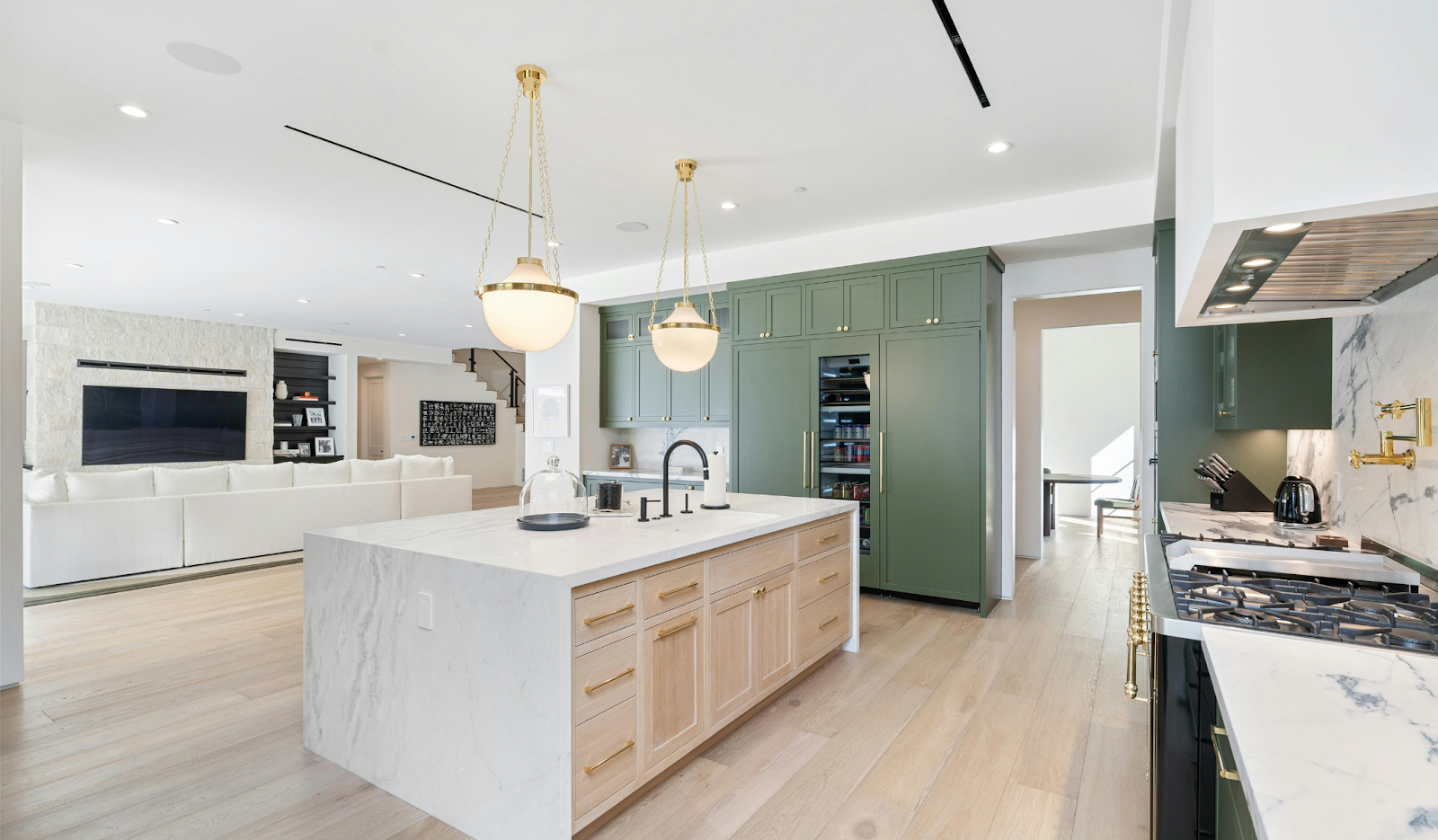
Determining usable space involves more than measuring the entire property. Here’s how to accurately assess livable areas:
- Measure Each Room Individually: Focus on rooms where daily activities occur, such as bedrooms, kitchens, and living areas.
- Exclude Non-Livable Areas: Remove garages, unfinished basements, and mechanical rooms from the calculation.
- Account for Structural Features: Deduct square footage occupied by staircases, HVAC units, and thick walls.
- Consider Ceiling Height: Rooms with sloped ceilings or low clearances may not meet the minimum height requirement to be considered livable space.
- Assess Hallways and Entryways: These areas contribute to overall square footage but may not offer functional living space.
Accurately measuring usable space can provide clarity during the moving process, allowing for better organization and strategic furniture placement.
Maximizing Usable Space During a Move
Moving to a smaller home doesn’t mean sacrificing comfort. By maximizing usable space, you can make the most of your new living environment:
- Declutter Strategically: Focus on keeping multifunctional items that serve dual purposes, such as storage ottomans or foldable desks.
- Use Vertical Storage: Shelves, wall-mounted organizers, and hanging racks free up floor space while increasing storage capacity.
- Choose Compact Furniture: Opt for furniture with built-in storage, such as beds with drawers or sectional sofas with hidden compartments.
- Create Defined Zones: Assign specific areas for different activities to avoid overcrowding and maintain a sense of order.
Implementing these strategies can make even a smaller home feel spacious and organized.
Real Estate Insights: How Usable Space Affects Home Appeal

In the real estate market, the distinction between square footage and usable space can influence a property’s appeal and selling potential. Buyers often prioritize homes with efficient layouts that maximize livable areas without excessive wasted space.
- Open Floor Plans: These designs offer more usable space and versatility, appealing to buyers seeking flexibility in room usage.
- Functional Design: Homes with smart storage solutions and well-planned layouts can command higher prices, even if the total square footage is lower.
- Outdoor Living Areas: While not counted in official square footage, decks, patios, and balconies provide additional usable space, enhancing property appeal.
Emphasizing these aspects can attract buyers who prioritize functionality and efficient use of space, particularly in competitive real estate markets.
Moving Forward with Confidence
Understanding the difference between square footage and usable space is essential when planning a move. While square footage provides a general overview of a home’s size, it doesn’t accurately convey how much functional space is available for daily living. Accurately assessing usable space before moving can prevent overpacking, reduce moving costs, and ensure a smoother transition.
For those relocating, focusing on usable space helps you identify which items will fit comfortably in the new layout. Creating a furniture plan based on room dimensions can prevent overcrowding and minimize unnecessary clutter. Partnering with a professional removalist can further streamline the process, providing strategic packing methods that maximize space while keeping essential pathways clear.
When selling a property, emphasizing efficient use of space can enhance market appeal. Well-designed layouts, multi-functional rooms, and strategic storage solutions can attract buyers seeking practicality in addition to overall square footage.
Whether moving to a compact apartment or a spacious home, taking the time to assess usable space helps create a more organized and stress-free moving experience. For a reliable and efficient move, consider working with HomeMove to ensure your belongings are expertly handled and strategically placed in your new space.
HOMEMOVE REMOVALISTS & STORAGE MELBOURNE
152 Elizabeth St, Melbourne, VIC, 3000
(03) 9077 3120
www.homemove.com.au












