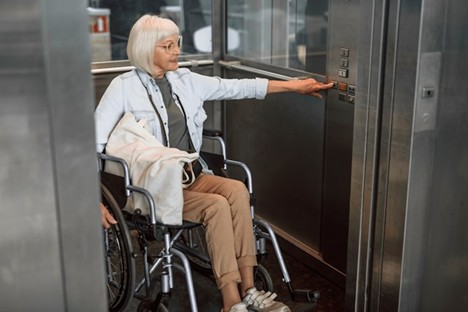
Accessibility is a cornerstone of modern architecture and infrastructure. Today, creating inclusive, user-friendly spaces is not just a matter of regulatory compliance - it embodies social responsibility and a deep respect for human dignity. Vertical transport systems, a key feature in multi-story buildings, are vital to helping individuals of all abilities move independently and safely through public and private spaces.
Designing lift mechanisms thoughtfully is essential for building truly inclusive environments. From individuals using wheelchairs and walkers to parents with strollers, seniors, and travelers burdened with heavy luggage, everyone benefits from intuitive, easy-to-use lift equipment. Florida elevator companies, recognizing the growing demand for accessible solutions, are leading efforts to create systems that emphasize smooth operation, user safety, and broad usability for all.
Accessibility in ascending cabins goes beyond merely complying with basic standards. Designers must consider the wide variety of people who rely on vertical mobility platforms daily. This includes individuals with limited mobility, visual impairments, hearing challenges, cognitive disabilities, and even temporary impairments such as injuries.
To meet these diverse needs, hoisting mechanisms must be outfitted with intuitive controls, wide doorways, tactile and braille indicators, audio announcements, and visual displays. Floors inside lift cabins should be spacious enough to accommodate mobility aids, and control panels must be reachable for individuals who are seated or who cannot easily raise their arms.
Designing lift equipment to serve this broad audience ensures that buildings can welcome all visitors equally, promoting a sense of belonging and independence.
Several design elements are essential for ensuring that vertical transport systems meet high accessibility standards:
Cabin Dimensions: Ascending cabins must be spacious enough to allow easy maneuvering for wheelchair users. Ideally, the interior should accommodate a wheelchair turning radius of at least 60 inches.
Door Operation: Doors on hoisting devices should open automatically and remain open long enough for users who require extra time to enter or exit safely.
Control Panels: Buttons and touchscreens should be positioned between 15 and 48 inches above the floor, making them accessible for users of different heights and those using mobility aids. Tactile, high-contrast labeling and braille must be included for users with vision impairments.
Auditory Signals: Audio cues, such as verbal floor announcements or distinct tones, assist individuals with visual disabilities in knowing their location within a building.
Visual Displays: Clear, high-contrast visual indicators are vital for users with hearing impairments, providing real-time information about the cabin’s location and movement.
Emergency Communication Systems: Communication devices inside vertical transport units must be usable without requiring speech, offering alternative methods like text-based systems to accommodate individuals who are deaf or have speech disabilities.
Floor Surface: Non-slip flooring materials enhance safety, particularly for those using walkers or canes.
Through careful attention to these and other details, vertical mobility systems can become true assets in creating accessible, welcoming spaces.
Various regulations and guidelines mandate that vertical conveyance systems prioritize accessibility. In the United States, the Americans with Disabilities Act (ADA) sets specific requirements for lift equipment in public and commercial facilities. Globally, similar standards like ISO 4190 and EN 81-70 guide the design of accessible elevator devices.
Adhering to these standards is not simply about avoiding penalties, it ensures that the built environment serves all members of society equitably. Developers, architects, and facility managers must integrate accessibility principles early in the design and construction phases to ensure seamless, cost-effective compliance.
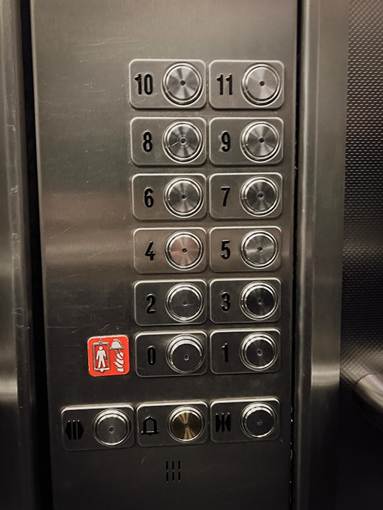
Advances in technology continue to enhance the accessibility of vertical mobility platforms. Voice-activated controls, for example, are emerging in new designs, allowing passengers to verbally select floors without touching any buttons. Gesture-based interfaces, touch-free call systems, and smartphone-operated lift calling apps further reduce physical barriers for users.
Artificial intelligence is also being integrated into modern hoisting mechanisms, allowing systems to learn peak usage times, optimize travel routes for efficiency, and prioritize accessibility needs dynamically. For instance, some systems can detect when a mobility device approaches and automatically hold doors open longer or send a larger ascending cabin to accommodate additional space requirements.
Moreover, some vertical transport units are equipped with intelligent lighting systems that adjust brightness based on user presence and needs, helping those with visual sensitivities or impairments move more comfortably and safely.
While standards and regulations are important, a truly accessible environment arises from a mindset that values inclusivity as a core principle rather than a checkbox. Thoughtful design considers not only what is required but what would genuinely enhance the experience for users with different needs.
Thoughtful acoustic design inside lift cabins can reduce sensory overload for neurodivergent individuals. Seating areas near hoisting mechanisms can assist people who tire easily. User-friendly signage, using both pictograms and text, ensures information is clear across language and literacy barriers.
Designing with empathy creates buildings that are not only legally compliant but welcoming and respectful of everyone who walks—or wheels—through their doors.
Many older buildings were constructed before accessibility was a major design priority. Retrofitting vertical mobility systems in such environments presents unique challenges. Limited shaft space, outdated hoisting equipment, and structural constraints can make upgrades complex and costly.
However, there are creative solutions. Modular lift systems, inclined platform hoists, and vertical platform lifts can be added to existing structures to dramatically improve accessibility without requiring extensive renovations.
Investment in retrofitting lift equipment is an investment in inclusivity, expanding the usability of historic and legacy buildings and extending their value to a broader range of the population.
Beyond ethics and legal compliance, accessible vertical transport systems also make good business sense. Inclusive design expands the pool of potential customers, tenants, and visitors. Businesses that invest in accessible environments often see higher customer satisfaction, stronger brand loyalty, and enhanced reputations.
In the real estate market, properties with accessible lift systems have broader appeal, particularly as global demographics shift toward older populations who increasingly rely on mobility aids.
Furthermore, accessible design aligns with broader corporate social responsibility initiatives, demonstrating a commitment to equity, diversity, and inclusion.
Accessibility in the design of vertical transport mechanisms is about more than following rules—it’s about creating spaces that reflect the diverse needs and experiences of real people. Through thoughtful, empathetic design, lift equipment becomes not just a means of moving between floors but a powerful symbol of inclusion and respect.
As technology evolves and societal expectations shift, the importance of accessible hoisting mechanisms will only grow. By embracing accessibility as a foundational principle, architects, developers, and building managers can ensure their spaces are welcoming, safe, and empowering for everyone.