In aesthetic dermatology, CO₂ laser resurfacing continues to hold its ground as one of the most effective treatments for skin rejuvenation. Backed by decades of research and driven by new advances in technology, this treatment uses focused light energy to trigger a healing response that transforms the skin from within.
So, how exactly does science meet beauty with this technology?
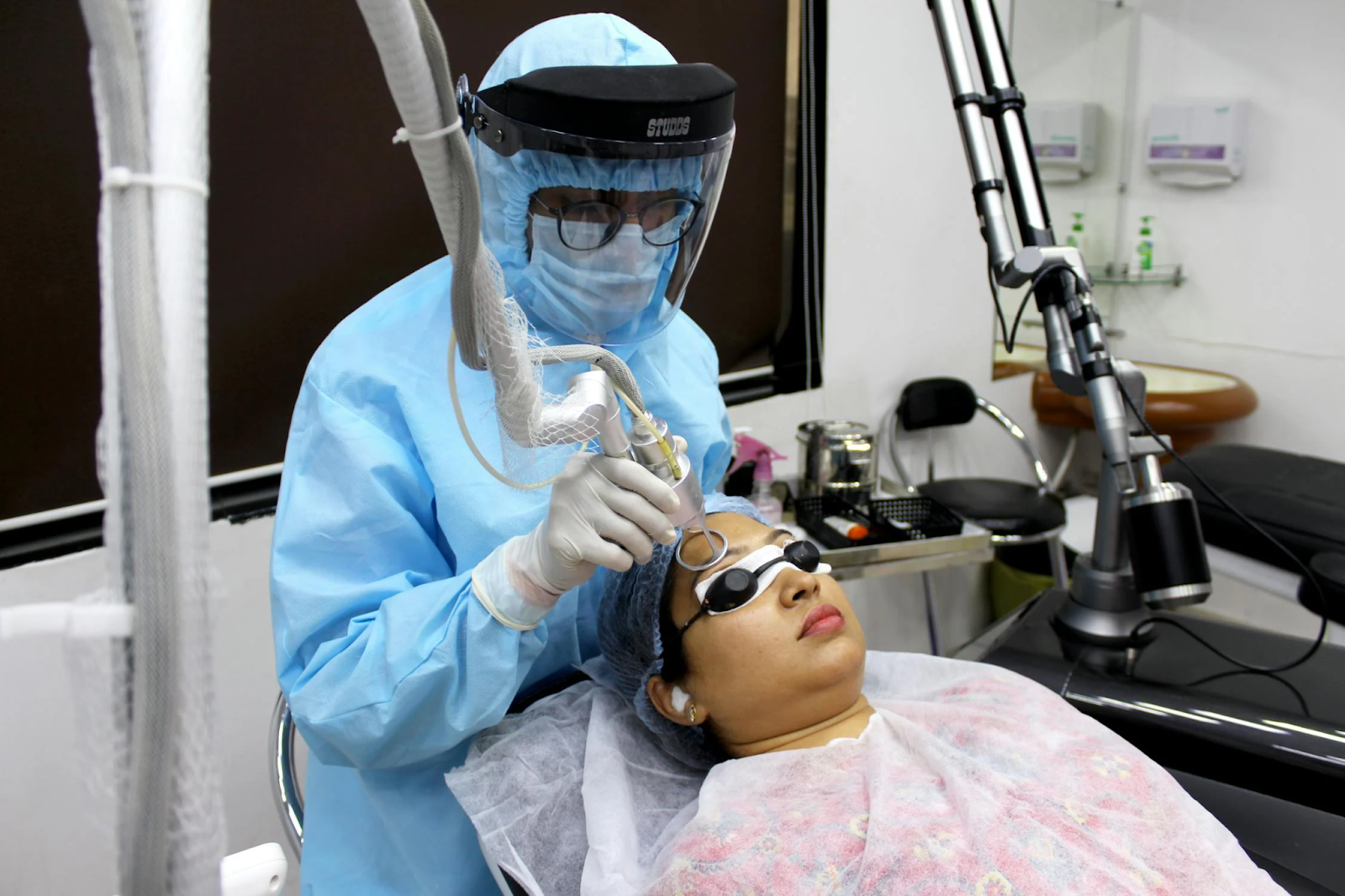
At its core, CO₂ laser resurfacing relies on the use of light energy—specifically infrared light at a wavelength of 10,600 nanometers. This wavelength is highly absorbed by water, which makes up a large portion of our skin. When the laser contacts the skin’s surface, the energy rapidly heats and ablates (vaporizes) the targeted tissue.
This process does more than just remove old skin. It stimulates a deep skin resurfacing effect by reaching into the dermis, the layer beneath the visible skin, where collagen lives.
Two key reactions occur during laser resurfacing:
● Ablation: The outer layers of the skin are vaporized in a controlled manner. This removes sun-damaged, scarred, or wrinkled skin.
● Thermal injury: Just below the surface, the heat tightens existing collagen fibers and stimulates new collagen production through fibroblast activation.
This combination leads to smoother, firmer skin and is especially effective at reducing fine lines, acne scars, and pigmentation issues. Over time, the skin continues to improve as the collagen remodeling process takes place.
Earlier forms of CO₂ lasers treated the entire skin surface, which led to long recovery periods and higher risks for complications. The fractional CO₂ laser changed the game.
Instead of treating the whole area, fractional lasers create microablative columns—tiny dots of treated tissue surrounded by untouched skin. These untouched zones speed up healing and lower the chance of side effects such as prolonged redness or pigmentation changes.
Here’s what makes the fractional CO₂ laser a standout option:
● Faster recovery due to the untreated surrounding skin
● Reduced risk of complications
● Customizable depth and intensity for treating everything from fine wrinkles to deep scars
Recent studies reveal the biological mechanisms behind the visible improvements seen after facial laser resurfacing:
● Cellular regeneration: Programmed cell death (apoptosis) in damaged skin cells initiates a wave of renewal, helping to restore healthy tissue.
● Skin remodeling at the molecular level: Advanced sequencing shows CO₂ laser therapy regulates inflammation, microcirculation, and skin barrier function, enhancing the overall quality of the treated skin (Guo et al., 2023).
● Angiogenesis and tissue rejuvenation: Particularly in mucosal tissues, the laser promotes new vessel formation and epithelial regeneration.
These findings support the long-term benefits of CO₂ laser treatments for patients seeking dramatic yet natural-looking results.
One of the most appreciated benefits of this treatment is CO₂ skin tightening. The controlled heat delivered by the laser causes collagen fibers to contract almost instantly. This results in an immediate firming effect, which is especially noticeable around the jawline, eyes, and cheeks.
With time, as new collagen forms, patients experience a gradual lift and better skin resilience. For individuals dealing with mild to moderate skin laxity, facial laser treatments provide a non-surgical path to a more youthful appearance.
After the ablation phase, the skin begins to heal through a process called re-epithelialization. Keratinocytes from nearby intact skin structures—such as sweat glands and hair follicles—migrate across the surface to form new skin. This typically happens within 6–7 days for most patients.
Because fractional treatments preserve more healthy skin, healing is not only faster but also more comfortable compared to fully ablative techniques.
Many patients choose CO₂ laser resurfacing because it balances powerful outcomes with a manageable downtime. Most return to normal routines within a week, although mild redness and flaking may persist for a few days after that. Compared to deeper peels or surgery, facial laser resurfacing offers substantial improvement without the risks of anesthesia or scarring.
This treatment works well for individuals with:
● Acne scars or surgical scars
● Fine lines and wrinkles
● Uneven skin tone or texture
● Age spots or sun damage
● Loose or sagging skin
Thanks to fractional CO₂ laser innovations, even patients with darker skin tones can now benefit from laser resurfacing, as modern devices allow for safer, more controlled delivery of energy.
The science behind CO₂ laser resurfacing proves that this isn’t just a cosmetic fix—it’s a medically informed process backed by physics, biology, and years of clinical research. With its ability to stimulate collagen, tighten skin, and improve texture on a deep level, this technology stands out in both safety and effectiveness.
As laser platforms continue to evolve, treatments like CO₂ skin tightening and skin resurfacing offer new possibilities for aging skin, acne damage, and more. In the right hands, facial laser procedures provide not only surface-level beauty but lasting cellular renewal, where tech truly meets biology.