In the rough region of the Himalayas lies a trek that weds peace, control, and elevation—a course that starts tenderly on the rolling hills of Pikey peak and rises through Nepal’s most celebrated trekking and climbing challenges: Island peak, Lobuche peak, and Mera peak. For trekkers looking for more than fair beautiful strolls, and climbers longing for the beat of high-altitude experience, this four-part undertaking is the extreme Himalayan dream.
It is a movement through landscape, culture, and individual limits—from the peaceful peak trails to ice-covered summits towering over 6,000 meters.
The Gateway to the Giants: Pikey Peak Trek
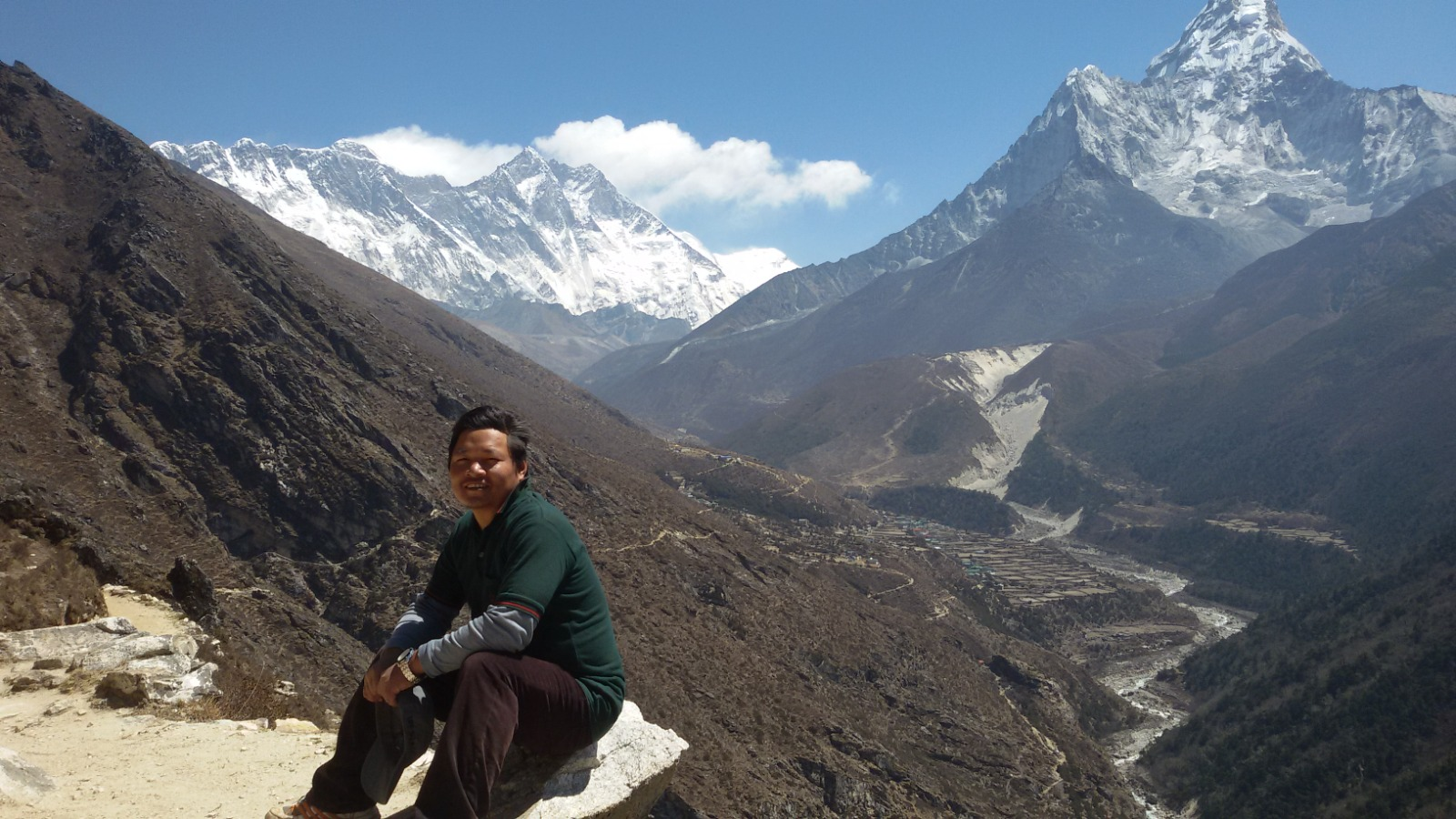
Before overcoming any snow-capped summit, each climber must begin with discovering their beat, and there’s no better way to start than the Pikey peak trek. Settled in the lower Solu region of the Everest region, Pikey peak stands at 4,065 meters—low compared to the adjacent behemoths, however unmatched for its all encompassing rewards. This trek is a covered up haven, distant from the swarms, advertising flawless scenes and a true taste of Sherpa culture.
From Dhap or Jiri, the path wanders through pine woodlands, ancient cloisters, and yak pastures, driving to interesting Sherpa towns like Jhapre and Junbesi. Each day on the path is a submersion into conventional Himalayan life. Buddhist supplication banners shudder over mani dividers, children walk unshod to school with warm grins, and time moderates with the beat of the mountains.
The climax comes at day break on Pikey peak, where a 360-degree scene uncovers the magnificence of the Himalayan horizon. On a clear morning, trekkers can witness the display of eight-thousanders—Everest, Lhotse, Makalu, and indeed Kanchenjunga—glowing in gold. For any climber, this quiet presentation to height offers the idealized warm-up and an otherworldly update of what lies ahead.
Island peak Climbing:
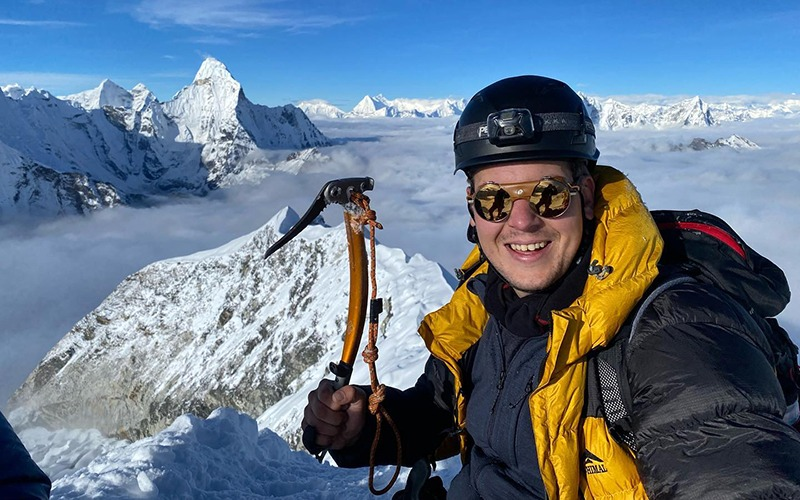
After acclimatizing on Pikey, climbers can move gears toward one of Nepal’s most famous summits—Island peak (Imja Tse), standing tall at 6,189 meters. Arranged in the heart of the Khumbu region, Island peak rises significantly from the encompassing icy masses like a solitary post, subsequently its title. In spite of its forcing profile, Island peak is considered a “trekking peak,” open to amateur climbers with legitimate preparation and guidance.
The trip to Island peak climbing is as extraordinary as the summit itself. It takes after the incredible Everest Base Camp path, weaving through towns like Namche Bazaar, Tengboche, and Dingboche. As you pick up elevation, the scene transforms—lush timberlands provide a way to dry elevated valleys, at that point to moraine areas and icy masses. This classic course not as it were offers magnificent views of Ama Dablam and Everest but moreover gives basic acclimatization time some time recently endeavoring the climb.
The specialized challenge of Island peak starts from base camp at Pareshaya Gyab (5,100m). After a pre-dawn begin, climbers handle glaciated territory, precipices, and a soak 100-meter ice divider close to the summit. The last edge is contracted and uncovered, requesting center and relentless balance. But the remuneration is uncommon: from the summit, climbers are encompassed by towering peaks, with the Lhotse south confronting rising, specifically some time recently them—a minute of wonder and triumph.
Lobuche peak Climbing:
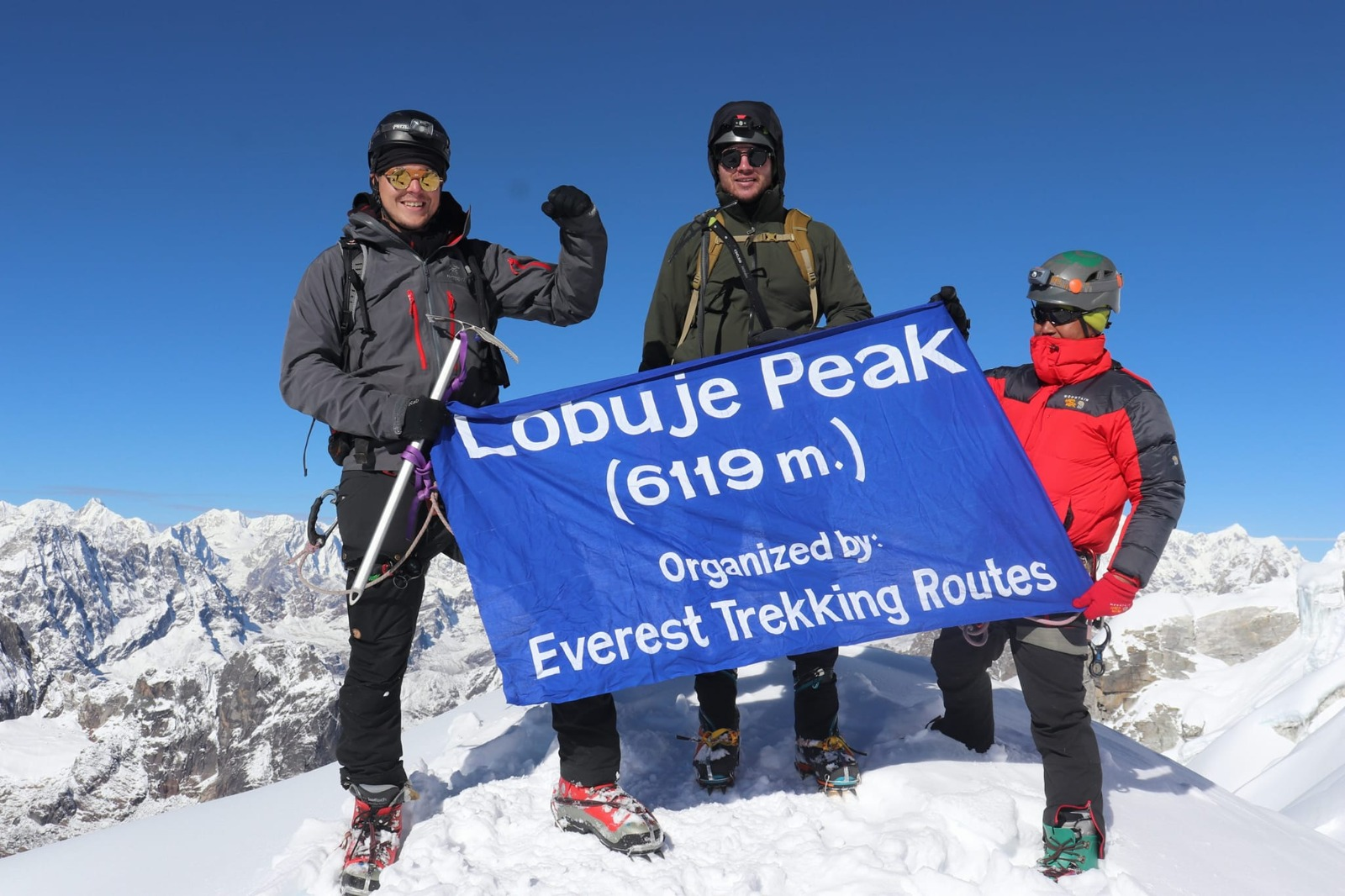
For those looking for a step up in challenge, Lobuche East peak (6,119m) offers a more specialized climb, more profound inside the Everest region. Not at all like Island Peak’s moderately direct slant, Lobuche peak climbing tough confrontation highlights soak climbs, frigid edges, and complex territory, making it a favorite among experienced climbers planning for 7,000-meter or 8,000-meter objectives.
The course to Lobuche East offers much of the EBC path but takes a turn at Lobuche town, arranged fair some time recently at Everest Base Camp. Numerous climbers combine Lobuche peak with visits to EBC or Kala Patthar for ideal acclimatization. The climb itself starts from a tall camp found over 5,200 meters. From there, climbers rise, soak , shake pieces and frigid edges utilizing ropes, ice tomahawks, and crampons.
Lobuche’s summit edge is limited and specialized, regularly requiring settled ropes. The rising rewards climbers with cinematic views of Everest, Nuptse, Pumori, and Lhotse. The crude introduction on the last extend tests each climber’s nerves and procedure. What makes Lobuche interestingly satisfying is its double nature: it is both an extreme specialized climb and a visual magnum opus, roosted over one of the most sensational valleys in the Himalayas.
Mera peak Climbing:
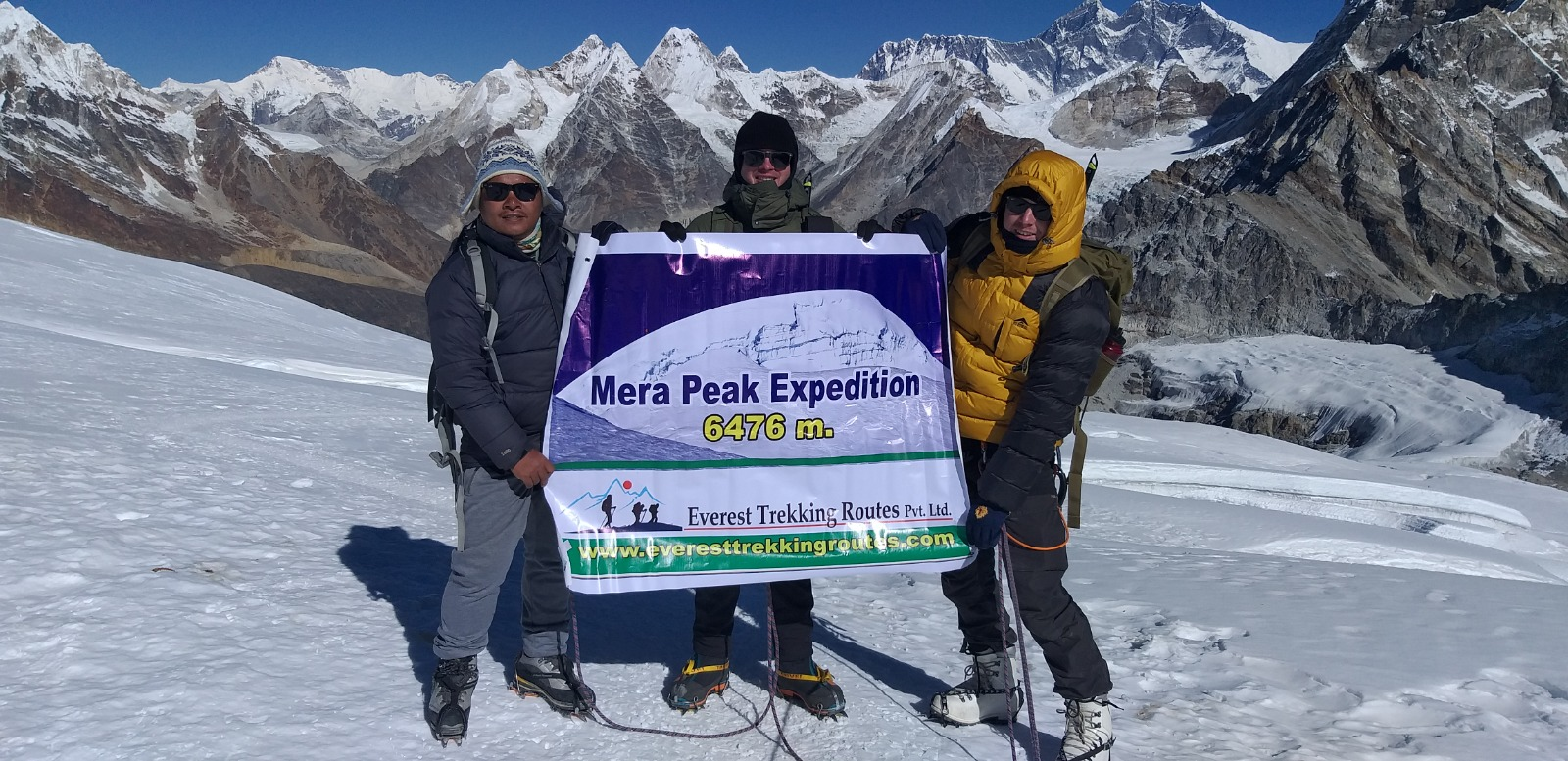
The last gem in this Himalayan set of three is Mera Peak—Nepal’s most elevated trekking peak, standing tall at 6,476 meters. In spite of the fact that it is less specialized than Lobuche, Mera is a mammoth in elevation and remoteness. Arranged in the farther Hinku Valley, distant from the bustling Everest path, this climb is a full expedition—requiring continuance, coarseness, and high-altitude resilience.
The approach to Mera is a trek in itself. Trekkers and climbers regularly fly to Lukla and trek southeast, crossing tall passes like Zatrwa La, slipping into rich valleys, and at that point continuously climbing through farther towns such as Khote and Tangnag. Along the way, climbers pass through rhododendron woodlands, yak pastures, and glacier-fed rivers—a side of the Himalayas few ever see.
Mera peak climbing summit thrust starts from a tall camp close to the Mera La at around 5,800 meters. In spite of the fact that it is not excessively specialized, the climb requests ice sheet route, precipice shirking, and tenacious continuance. The discussion is lean, the slant is long, and the cold nibbles harder with each step. But from the summit, the sea is unmatched: Everest, Cho Oyu, Lhotse, Makalu, and Kanchenjunga—five 8,000-meter giants—unfurl in each direction.
Climbing Mera is not approximately speed or strategy. It is around resolve, tolerance, and grasping isolation. It is an otherworldly climb that draws out the most profound saves of quality and lowliness from each climber.
The Rationale of Movement: Why Pikey, At that point Peaks
This trip from Pikey to Island, Lobuche, and Mera is more than a travel itinerary—it is a climber’s advancement. Beginning with Pikey peak permits trekkers to adjust steadily to elevation whereas increasing in value the Himalayan excellence without specialized weight. It builds foundational quality, continuance, and appreciation for the landscape.
Island peak at that point presents specialized skills—basic utilization of crampons, settled ropes, and ice axes—alongside ice sheet travel. Lobuche Peak homes those abilities, showing more extreme landscapes and more noteworthy presentations. By the time climbers endeavor Mera, they’re prepared with both the height encounter and mental durability required for success.
This staged movement is keen and key. It minimizes chance, maximizes delight, and permits for consistent change in mountaineering abilities. It’s perfect for trekkers looking to move into climbing and for climbers planning for higher Himalayan targets or future expeditions.
Fitness, Preparing, and Mindset
To overcome this four-tiered Himalayan challenge, climbers must contribute in physical and mental planning. Oxygen consuming wellness is key: standard cardio works out like running, cycling, or swimming are basic to building stamina. Quality preparing for legs, center, and shoulders makes a difference with carrying loads and overseeing unpleasant territory. More imperatively, preparing with a rucksack on soak trails recreates the real conditions of Nepal’s mountains.
Beyond the physical, mental perseverance is pivotal. Long days, extraordinary cold, elevation migraines, and specialized landscape can thrust climbers to their limits. Reflection, mindfulness, and mental visualization are profitable devices to develop center and resilience.
No matter your foundation, legitimate acclimatization, progressive climb, and tuning in to your body are non-negotiable rules in the tall mountains. Regarding the environment and taking after the direction of prepared Sherpa guides and mountaineering pioneers guarantees security and success.
Best Time to Embrace This trek:
The best seasons to embrace this amazing Himalayan climb are spring (March to May) and harvest time (September to November). Amid these months, the skies are clear, temperatures are reasonable, and snow conditions are more steady. Spring offers sprouting rhododendrons, whereas harvest time highlights fresh sees and dynamic celebrations in the towns below.
Winter climbs are conceivable but come with extraordinary cold and calculated challenges. Summer (storm) is regularly dodged due to rain, clouds, and landslides.
Permits, Coordinations, and Guided Support:
Each peak and trekking region in Nepal requires diverse licenses. Pikey peak requires the Gaurishankar Preservation Region Allow. Island, Lobuche, and Mera peaks all require trekking peak licenses issued by the Nepal Mountaineering Affiliation (NMA), along with territorial grants for Sagarmatha National Speak and Makalu Barun (for Mera).
Most climbers connect with authorized trekking and climbing organizations that orchestrate licenses, coordinations, guides, watchmen, and gear. These groups are not fair facilitators—they are your life saver in high-altitude situations. Legitimate companies incorporate pre-trip preparation sessions and give bunch equipment like ropes and tents.
Cultural Drenching: Sherpa Pulse of the Himalayas:
One of the most significant perspectives of this travel is not the mountains—but the individuals. All through the path and climbs, climbers will experience Sherpa culture, Buddhist conventions, and antiquated ways of life profoundly entwined with nature and spirituality.
From the turning supplication wheels of Junbesi to the incense-filled religious communities of Tengboche, the Himalayas are lively with commitment and history. Sharing suppers with neighborhood families, learning almost mountain legends, or essentially drinking butter tea with your direct includes layers of meaning to each step and summit.
Conclusion:
The course from Pikey peak to Island, Lobuche, and Mera is a trek of the bold—a trek that joins together quiet hill treks with the specialized excitement of Himalayan climbing. It challenges the legs, stirs the lungs, and mixes the soul. It is a story of advancement: from green valleys to frigid edges, from trekkers to climbers, from guests to mountaineers.
For anybody who dreams of standing on the beat of the world, this is the way to get there—step by step, peak by peak, through valleys of culture and edges of challenge. In conclusion, you don’t fairly overcome mountains—you find your most elevated self.
Contact Information:
Address: Khumbu, Nayabazaar, Kathmandu, Nepal
Mobile: +977-9843467921 (Rabin)
Email: [email protected]
Website: www.everesttrekkingroutes.com