Nepal is a haven of supernatural mountains, old towns, and untamed trails that proceed to capture the hearts of globe-trotters from around the world. Among the most famous and fulfilling ventures are the Thorong La Pass Journey, the Annapurna Circuit Journey, and the off-the-beaten-path Nar Phu Valley Journey. Each path offers its possess mix of culture, high-altitude drama, and natural excellence. In this article, we’ll investigate why these treks are must-dos for anybody longing for an extraordinary Himalayan encounter.
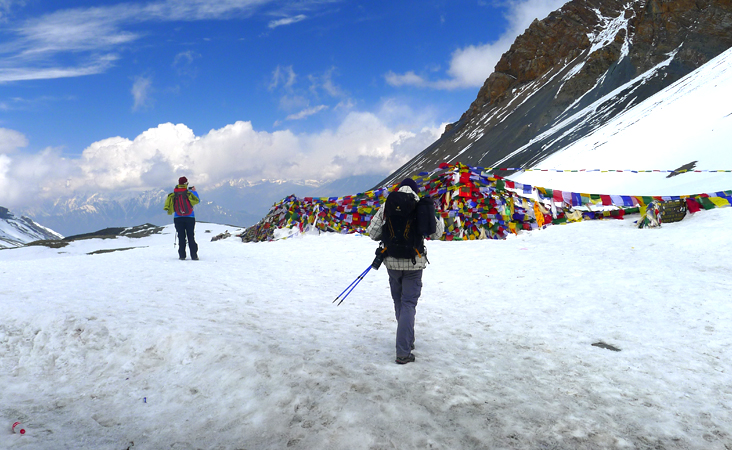
The Thorong La Pass trek stands tall at 5,416 meters (17,769 ft), making it one of the highest trekking passes globally. It is not a trek for the faint of heart, but for those who dare, it promises sweeping Himalayan views, a sense of deep achievement, and cultural richness all along the way.
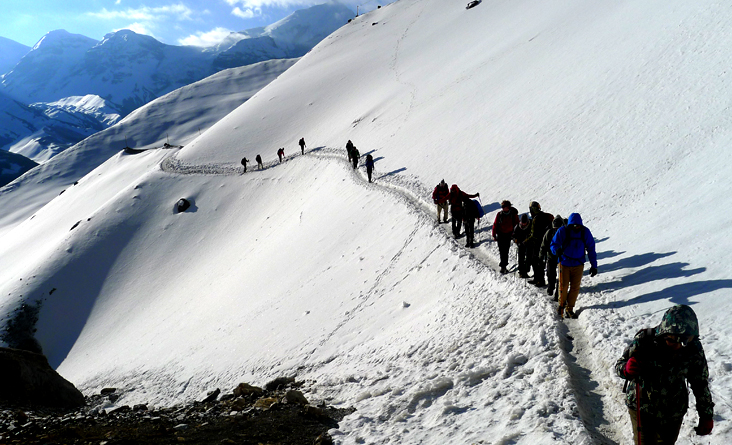
This trek is typically part of the larger Annapurna Circuit, but it can also be done as a focused journey. Most trekkers begin from Jagat or Chame, moving through dramatic valleys, forests, and villages before ascending through Manang for acclimatization. From there, it’s a progressive climb to Yak Kharka, Thorong Phedi, and finally an early morning push to Thorong La Pass.
The most ideal times are March to May and September to November when the skies are clear, and the weather is relatively stable.
The Annapurna Circuit Trek is not a fair path – it’s an ever-evolving travel through Nepal’s biological and social contrasts. Extending between 160–230 km depending on where you begin and wrap up, this circuit permits trekkers to encounter the full scope of Himalayan life – from lavish woodlands to snow capped knolls and tall leaves.
Starting often from Besisahar, the trek moves through charming villages like Dharapani, Chame, and Pisang before reaching Manang, a vital stop for acclimatization. After crossing Thorong La Pass, the trail descends to Muktinath, continues through Jomsom, and may extend to Tatopani and Poon Hill if desired.
The full circuit takes around 18–21 days, but many trekkers now choose to fly out from Jomsom or end at Tatopani, shortening the trek to 12–14 days.
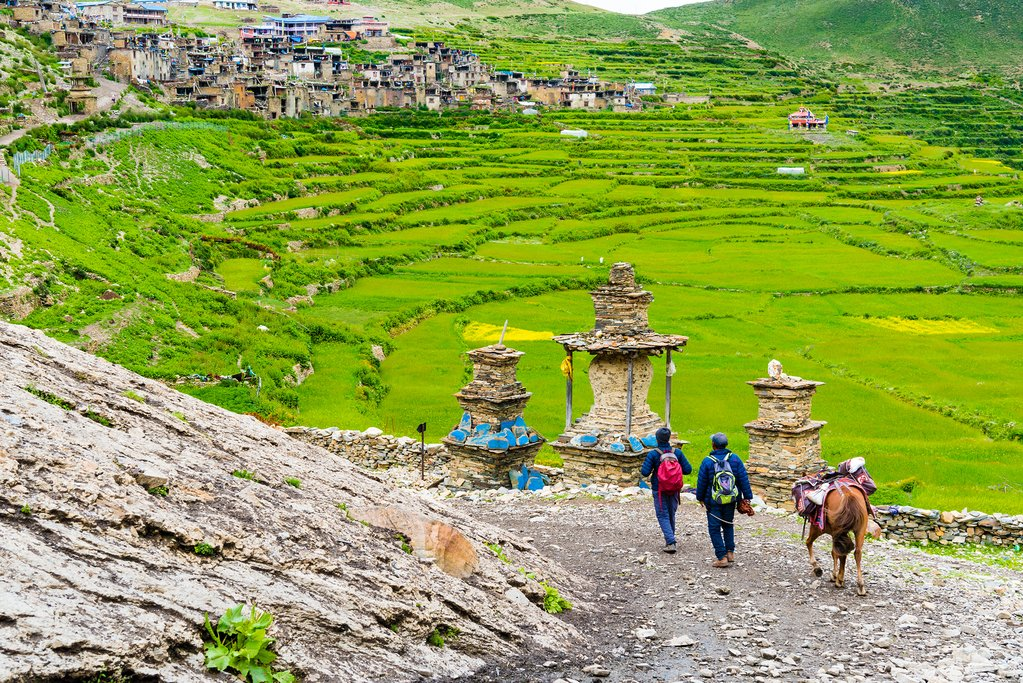
Tucked away in the north of Annapurna, the Nar Phu Valley Trek is a covered up jewel. Authoritatively opened to trekkers in 2002, this course leads to the old Tibetan-style towns of Nar and Phu, places few untouchables have seen.
The journey often begins from Koto, a small town just beyond Chame on the Annapurna Circuit.A extraordinary permit is required as this zone falls beneath a confined locale. From Koto, trekkers veer northeast and enter a profound glut flanked by towering cliffs some time recently coming to Phu Gaon and afterward Nar Town.
You can extend your trek by rejoining the Annapurna Circuit through Kang La Pass (5,320m) and continue toward Ngawal and Manang.
This trek is perfect for those who’ve already done popular routes and crave raw adventure, isolation, and cultural immersion. It’s moderately to highly challenging and requires good physical fitness.
All three treks immerse you in deeply spiritual environments. From the fluttering prayer flags atop Thorong La, to monasteries in Phu, and the sacred flame of Muktinath, spirituality is a constant companion.
You’ll share moments with Buddhist monks, witness Tibetan prayer rituals, and perhaps attend a local festival. Every stop, every smile from a local, enriches the trek.
The Annapurna region is a conservation area with a range of ecosystems, from rhododendron forests to high alpine tundra. The Nar Phu Valley in particular has preserved its natural beauty due to limited human interference. Trekkers may see:
Each step takes you deeper into Nepal’s natural heart.
You’ll find a range of teahouses and lodges on all three treks. Annapurna Circuit has more variety – from budget to comfortable lodges – while Nar Phu’s lodges are basic but welcoming.
Typical meals include:
Trekkers should carry some snacks and water purification tablets, especially in Nar Phu where options are fewer.
For Nar Phu, spring and autumn are strongly recommended due to trail conditions and remote location.
Many trekkers now combine Nar Phu with the Annapurna Circuit, making for an epic 3-week adventure that includes cultural immersion, high passes, and classic Himalayan panoramas.
The Nar Phu–Thorong La combo delivers the best of both worlds – raw wilderness and iconic beauty.
Whether you choose the thrill of crossing Thorong La Pass, the complete immersion of the Annapurna Circuit, or the hidden culture of the Nar Phu Valley, you’re ensured an enterprise of a lifetime. These treks go past fair scenes – they offer minutes of reflection, otherworldly association, and social discovery In a world that frequently feels chaotic, the Himalayas offer clarity. In quiet and exertion, among yaks and supplication banners, your soul finds beat. Bind up your boots – enterprise is standing by in the trails of Annapurna.
A: For Thorong La and Annapurna Circuit, independent trekking is allowed, though guides are recommended. Nar Phu requires a guide and a special permit.
A: Yes, especially above 3,500 meters. Proper acclimatization and hydration are key.
A: It's possible, but passes may be snowed in. Always check local conditions and forecasts.
A: You can’t go solo due to the restricted permit rules. A registered guide is mandatory.
If you’re planning your next adventure in these treks , let Nepal Wilderness Trekking make your journey an unforgettable experience.
Contact Details
Company address: Nepal Wilderness Trekking Pvt. Ltd.
Kathmandu, Nepal
Mobile & WhatsApp: +9779849693351
Email:[email protected]