Mornings should begin with clarity and energy. Yet, for countless people across North Penn and beyond, waking up congested has become an all-too-familiar frustration. Stuffy noses, scratchy throats, and morning headaches can turn even the most restful night into a battle against allergens and irritants lurking in the bedroom environment.
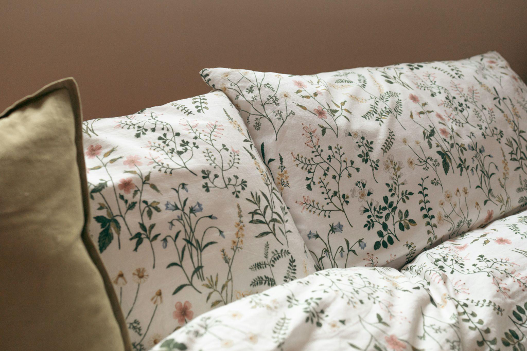
Fortunately, a growing number of residents have discovered that one surprisingly simple change can make a world of difference: switching to bedding made from natural fabrics. Unlike synthetic materials, natural fabrics allow for better airflow, moisture regulation, and resistance to allergens. As outlined in this guide to natural fabrics, choosing the right textiles can significantly reduce the allergens that build up in your bed and contribute to morning congestion.
For many people, congestion upon waking isn’t caused by seasonal illness but by allergens accumulating in their sleeping space. Mattresses, pillows, blankets, and even wall-to-wall carpeting can harbor dust mites, pet dander, mold spores, and microscopic pollutants. The bedroom, a space meant for rest, can quickly become a breeding ground for these invisible irritants.
According to GQ, the pandemic significantly increased public focus on indoor air circulation and pathogen spread, with experts urging better ventilation, air filtration, and regular use of HEPA filters to protect household health.
Bedding plays a crucial role in either minimizing or exacerbating allergy symptoms. Synthetic fabrics like polyester and certain foam pillows can trap heat and moisture, creating the perfect environment for dust mites and mold to thrive. In contrast, breathable, moisture-wicking materials like organic cotton, bamboo, silk, and linen discourage microbial growth and provide a naturally hypoallergenic surface.
Switching to hypoallergenic bedding doesn't just improve air quality—it can transform your entire sleep experience, allowing for deeper, uninterrupted rest.
In North Penn and neighboring communities, local retailers and online specialty shops have seen a noticeable surge in demand for hypoallergenic bedding solutions. Consumers are increasingly aware of how environmental factors affect health and are proactively investing in cleaner, safer sleeping environments.
Many local health practitioners, including allergists and holistic wellness coaches, now recommend that patients with chronic congestion or allergy symptoms assess their bedding first. This proactive approach often leads to significant improvements without the need for medications or costly treatments.

While upgrading to natural fabrics is a major step, other simple adjustments can further reduce morning congestion:
Combining these strategies with a switch to natural bedding materials creates a comprehensive defense against nighttime allergens.
Allergic rhinitis—commonly known as hay fever—affects millions of Americans year-round, and indoor allergens are often major contributors. When you sleep, your body remains exposed to irritants for extended periods, allowing inflammation to build up in nasal passages overnight. The result is the familiar morning congestion that gradually improves throughout the day.
By addressing the sources of allergens directly in the bedroom environment, sufferers often experience rapid relief. Numerous studies have shown that modifying the sleep environment leads to measurable reductions in allergy symptoms, improved sleep quality, and even enhanced daytime cognitive performance.
When shopping for hypoallergenic bedding, consider the following criteria:
While high-quality natural bedding can represent a higher initial investment, the long-term benefits often outweigh the upfront costs. Reduced reliance on allergy medications, fewer doctor visits, better sleep, and improved quality of life all contribute to a worthwhile return on investment. Furthermore, many consumers find that well-made natural fabrics are more durable and remain comfortable for years, making them a sustainable and cost-effective choice.

Skeptics often question whether a simple bedding change can make such a significant difference. However, the growing body of scientific evidence supporting environmental control in allergy management suggests that even small modifications in exposure can have meaningful effects on respiratory health. Doctors and researchers emphasize that allergen avoidance remains one of the most effective non-pharmaceutical interventions for allergy sufferers.
As demand for hypoallergenic bedding increases, many North Penn businesses are emphasizing sustainable sourcing, organic certification, and ethical labor practices. Supporting these businesses not only improves personal health but also contributes to environmental conservation and community economic growth.
Consumers are becoming more conscientious about where their products come from and how they're made. Choosing local retailers who prioritize sustainable, natural fabrics contributes to a positive cycle of responsible consumerism.
Better sleep quality extends far beyond allergy relief. Numerous studies have linked improved sleep environments with benefits such as:
By improving bedroom air quality and reducing nighttime allergens, many individuals report feeling healthier and more energetic throughout the day.
For many residents of North Penn, waking up congested used to feel inevitable. But with one simple change—swapping out synthetic bedding for natural fabrics—a growing number of locals are breathing easier, sleeping better, and starting each day feeling fully refreshed. As more people recognize the hidden triggers contributing to morning congestion, this bedroom swap continues to gain popularity as a simple yet powerful tool for improving everyday health.