
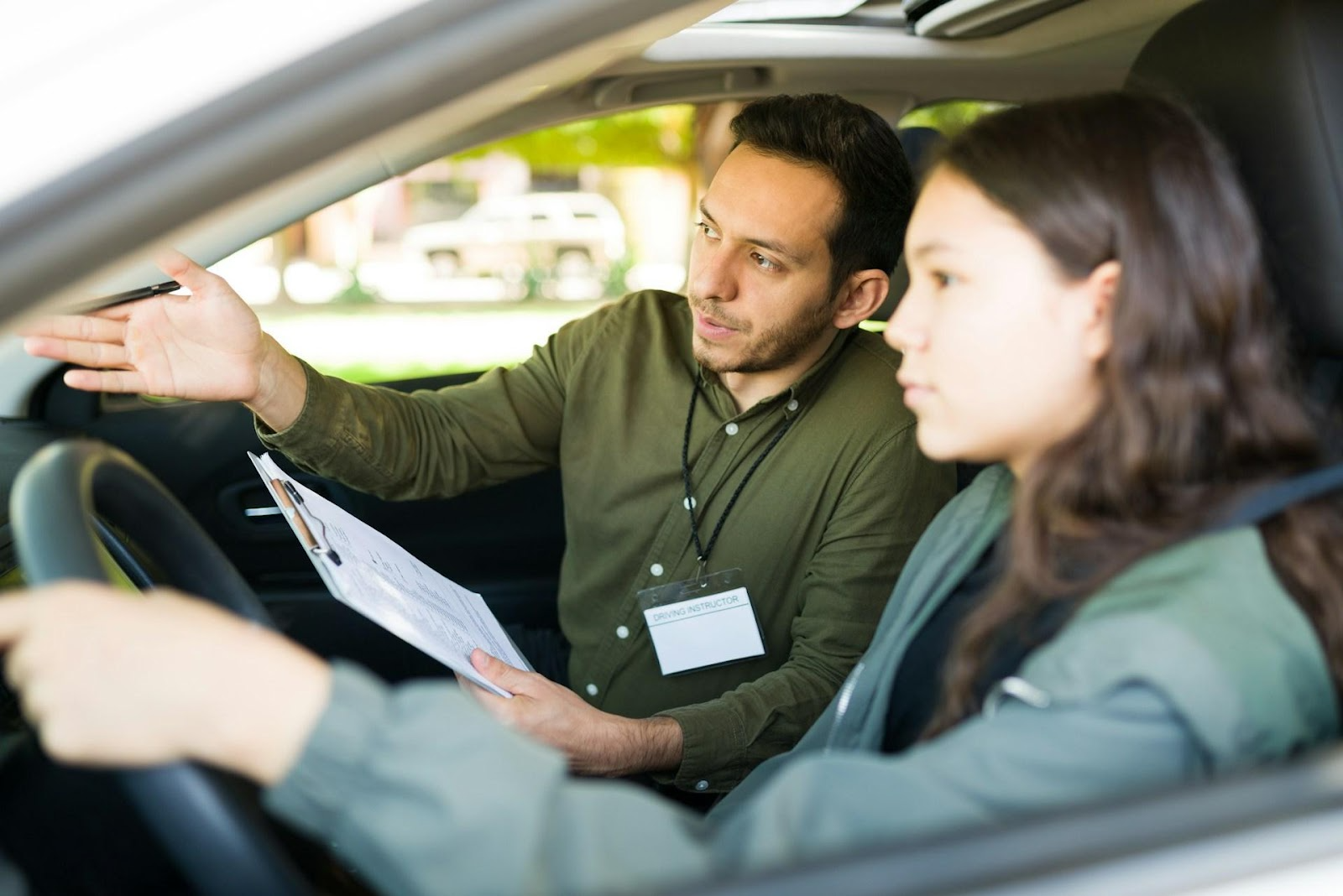
There’s a common misconception that instructor-led tracks slow things down. But seasoned drivers know better. A skilled instructor doesn’t hold the line back. They dial in technique, tighten timing, and pull more out of a session than solo laps ever could. The trick lies in knowing how to work with the guidance, not against it.
Most tracks offering performance programs have coaching baked in. It’s not just about safety. It’s about helping drivers unlock more grip, better braking, and smarter lines without reinventing the wheel. Done right, it turns a good driving day into a real breakthrough.
Instructor chemistry matters more than many realize. A hands-on coach can be great for first-timers but might frustrate someone who already knows their apex from their exit. Before a session, it helps to understand the coaching style. Some instructors guide with quiet cues. Others give rapid-fire corrections in real-time.
Communicating that up front makes the ride smoother. A quick chat before the run helps set the tone. Whether the goal is faster lap times or smoother transitions, the coach needs a target. Then, the feedback starts to make sense.
Good instructors adapt. The best ones gauge rhythm within a couple of corners. If the driver flows well, they’ll fine-tune. If the lines are wide or the braking zones are too late, they’ll adjust the pace accordingly. But none of that works without two-way clarity.
Too many first-timers go flat out right away and fade by the second session. The smarter move is to treat early laps like reconnaissance. Find where the grip sits, how the car reacts, and where vision needs to extend.
Most instructor-led formats use a lead-follow or in-car coaching method.
Each structure gives a different experience:
Rotating through formats keeps learning fresh and the mind sharp across multiple sessions. Fatigue usually hits mental bandwidth before physical stamina. A few smart pauses between runs prevent that drop.
A lot can get lost between laps if feedback isn’t dialed in. Vague notes like “brake earlier” or “use more track” help little without context. Being specific about what didn’t feel right opens up the coaching loop.
For example, asking why a certain line felt unsettled or if throttle timing needs adjustment leads to better answers. It shifts the session from passive instruction to performance collaboration.
The real gains come when the instructor stops talking like a script and starts coaching the driver’s style. That only happens when the conversation is active, not one-sided.
In instructor-led sessions, breakthrough moments often come from minor tweaks. These aren’t flashy changes but slight shifts in timing, input, and rhythm. Some of the most valuable improvements include:
Each point builds on the last, creating cleaner laps. It’s a compounding effect. The smoother the inputs, the faster the car moves without extra effort. That’s when the session stops feeling instructional and starts feeling instinctive.
In locations where track time is sold by the session, maximizing the run matters. Some tracks, like those known for offering premium driving experience Tampa, design programs around timed coaching laps and cooldown periods. These packages balance instructor feedback with free driving, giving guests a full range of motion behind the wheel.
The value isn’t in the stopwatch. It’s in how consistent each lap becomes. When lines stay clean across laps three, four, and five, that’s where progress shows. It doesn’t feel fast. It feels effortless.
Instructor-led sessions should feel like a tool, not a limitation. When the instructor tailors feedback to the way the car moves and the way the driver thinks, each lap gets better. What started as a guided experience becomes a real performance push.
The best sessions don’t just teach. They refine. They remove second-guessing and replace it with confidence in each turn-in, downshift, and exit. Whether driving solo or lining up for another instructor's lap, the takeaway is clear: smart guidance doesn’t get in the way. It clears the way forward.











