
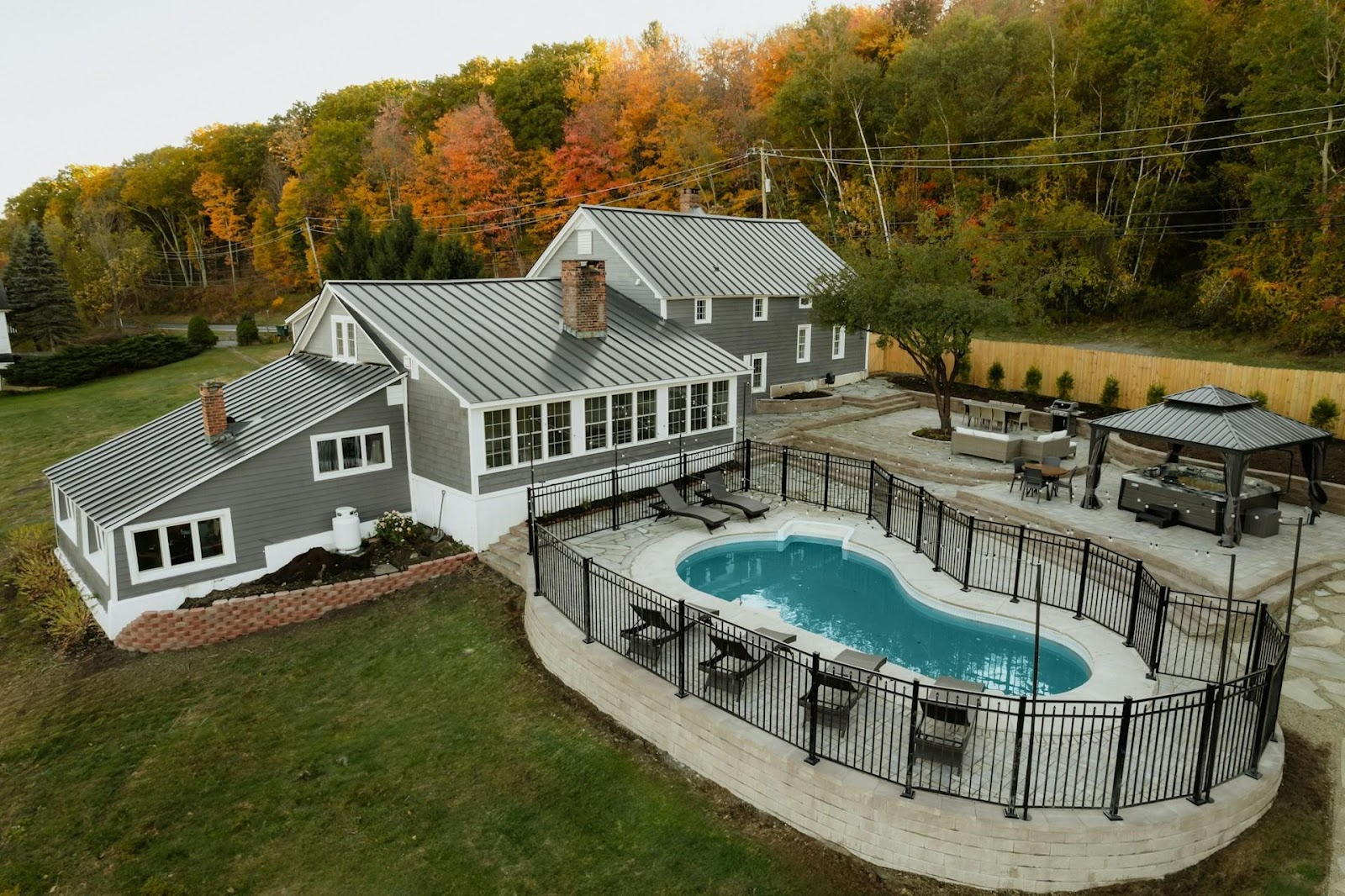
A removable barrier is a quick fix for pools and other spaces. However, daily use demands more than convenience. A barrier that flexes with your day-to-day should feel secure without turning into a chore to install. The right setup blends toughness with ease of use. Anything less ends up abandoned in storage after a few weeks.
Setting it up once isn’t enough. The goal is repeat performance, minimal maintenance, and a layout that doesn’t get in the way. That takes smart planning, reliable gear, and a surface that can hold its ground.
Before picking any fence system, take stock of where it’s going. Concrete patios behave differently from wooden decks or stone pavers. Some surfaces anchor cleanly with sleeves or bolts. Others shift with heat or moisture. Knowing what lies beneath helps avoid wobbly poles and uneven tension.
A stable removable fence starts with a surface that can absorb regular use. Weak points at the base create the illusion of flexibility but lead to early failure.
Trying to force a uniform layout on a non-uniform surface is what leads to gaps, lifts, and tilts over time.
The fence won’t last long if the materials can’t bounce back from harsh conditions. Also, a lightweight frame seems easier to handle, but flimsy mesh loses shape after a few uses. Poles that flex too much under pressure don’t inspire confidence—especially if pets or kids lean into them.
A Mesh Pool Fence balances visibility with safety, but not all mesh is made equal. Look for one that holds its form, resists UV damage, and doesn’t stretch when handled.
Poles should feel solid in the hand, not hollow. They’re the first thing to show wear when the fence is removed and reinstalled repeatedly.
What works:
It helps to avoid anything with visible welds or exposed seams, especially if it’s going outdoors.
The layout shouldn’t just follow the pool’s edge or property line. Think through how the barrier will function day to day. For high-traffic paths, find an access point that doesn’t require detours. If the barrier needs to move frequently, limit its length or add modular sections that come apart easily.
Clean, direct lines make the fence easier to tension and less likely to sag. Angles or corners create stress points, especially if the system isn’t braced correctly.
Spacing between posts matters just as much as direction. Too far, and the mesh starts to sway or dip. Too close, and you’ll spend twice the time setting up.
The more effort it takes to remove a barrier, the more likely it is to get skipped. That’s why ease of use should carry just as much weight as durability. A setup that includes snap-in poles, labeled mesh rolls, and capped anchors helps avoid the headache of storage.
Once the mesh comes down, the anchors left behind shouldn’t collect debris or stick out visually. Flush sleeves with lift-out caps make the space look clean when the fence isn’t in use.
One smart setup includes:
If it takes more than five minutes to reinstall after a break, the system needs a rework.









