
Getting a car across Australia isn’t a quick decision. There's always that big question of how to move it. While a transport option may be an easy answer, not everyone offers the same value. Some may not suit your type of delivery needs. For protection and practicality, you’ll need to compare your options carefully.
Understanding the differences makes the whole process easier from the beginning. So prepare a list of companies with their pricing and extras to make a sound decision at the end.
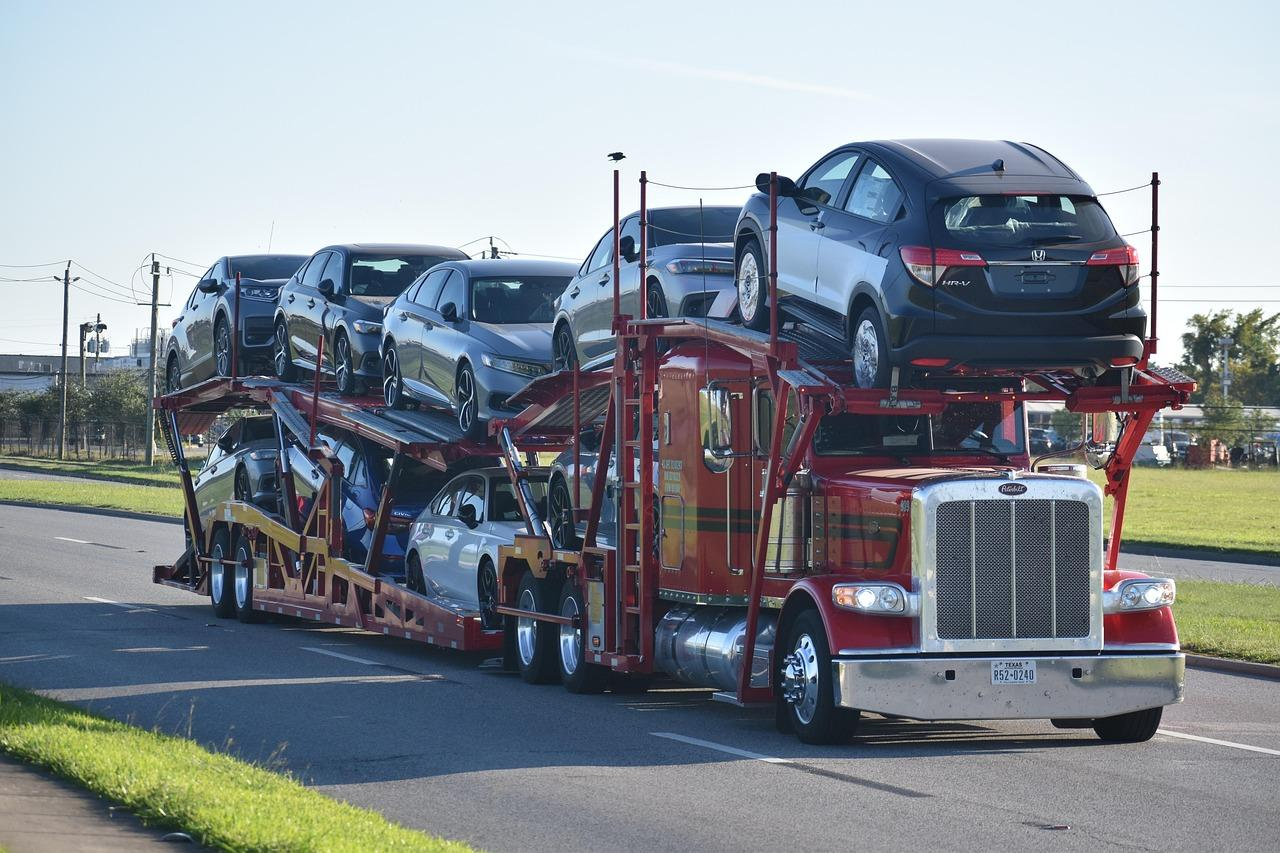
The first thing to look at is the type of transport. The most common option is an open carrier. These are the trucks seen on highways stacked with cars. They’re affordable and run often. They’re ideal for most daily vehicles.
If the car is vintage or high-end, you might need an enclosed carrier. These offer more protection. However, they are harder to book and, of course, come with stratospheric price tags. For cross-country moves, enclosed carriers are worth it for higher-value vehicles.
There’s also the choice between door-to-door and depot-to-depot service. With depot transport, you’ll drop off and collect the car at specific locations. Door-to-door is more convenient but can be limited by truck access in some suburbs.
Not all routes are served equally. Some are more popular, like Brisbane to Melbourne or Sydney to Perth, so transport runs more often. Remote areas may require longer lead times.
Always check the delivery window before you commit. Many companies offer a pickup date range and a delivery estimate. Delays can happen due to weather or routing changes. The more flexible you are with time, the better the chance of getting a better price.
Try to book long hauls at least a week in advance. Shorter notice can mean higher fees or fewer available carriers. Peak moving periods like holidays can also stretch delivery timelines.
Some quotes look cheap until the extras start piling on. Ask what’s actually covered. A few common extras include fuel surcharges, insurance top-ups, depot holding fees, or additional charges for larger vehicles.
Read the terms before you book. If insurance is included, ask about the coverage. Some companies offer very basic cover, and you might need to pay more to protect the car fully.
Australian car movers who are worth your time will explain these details clearly and won’t dodge questions.
Avoid surprising by figuring out:
These questions make it easier to choose between providers.
The type of car can affect the choice of carrier. A standard sedan fits fine on most carriers. Large utes, vans, or low-profile sports cars may need special attention. Mention any size or clearance issues when asking for a quote.
If the car doesn’t start, transporters will need equipment like a winch. That usually comes with an extra charge. On top of it, not every provider offers it. Giving full details upfront avoids issues during pickup.
For newer vehicles or those being sold, enclosed transport might make sense for presentation. For work vehicles or older models, open transport gets the job done at a better rate.
When the car shows up, inspect it straight away. Walk around it and compare it to the condition it left in. Use photos taken at the start to help spot anything new. A bit of dirt or dust from open transport is normal, but damage is not.
If the street is tight or the truck can’t get close, the driver might arrange to meet nearby. Make sure someone is available to receive the car or make those details clear during booking.
Choosing how to move a car across the country gets easier when the questions are clear. Match the transport to the car, look closely at the extras, and stay flexible where it counts. That’s what helps the vehicle get where it needs to go without stress.











