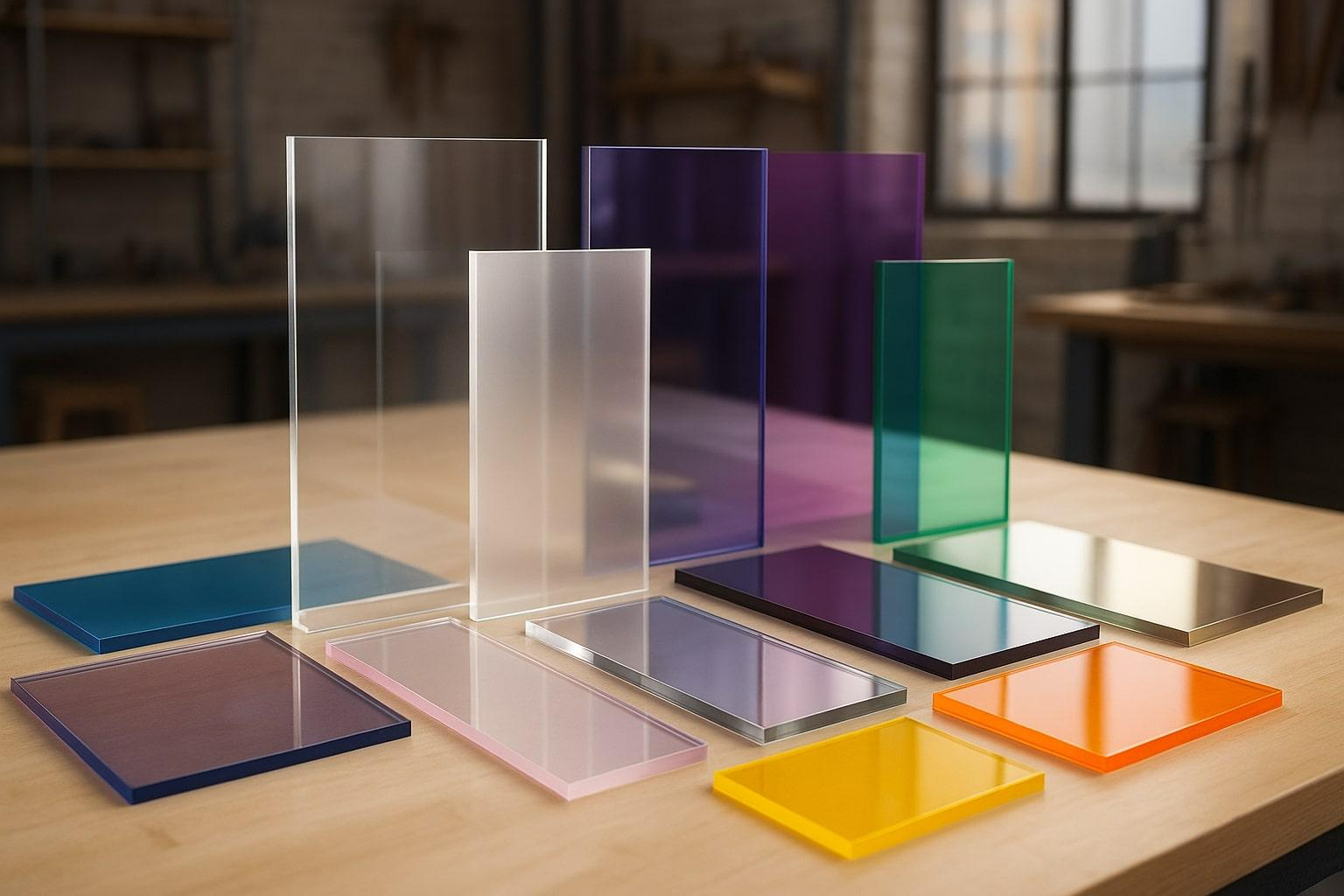
You're planning a project and think that Perspex acrylic might be the right material. However, with the various sizes, finishes, and colors available, it can be challenging to select the right one.
The wrong choice can change how your end product looks and how well it works. This blog will give you six insider tips on how to confidently choose perspex acrylic.
Acrylic isn't all the same. They're made for signs, furniture, and displays, among other things. Cast acrylic has a crisper appearance and can withstand stress more effectively. But extruded acrylic might be easier to scratch or warp and costs less.
Things last longer if you pick the right grade. When you need to cut or shape something, cast acrylic works better. Extruded might be enough for simple wall or cover pieces.
When used outside, security needs to be stronger. Some acrylic pieces crack or turn yellow after being in the sun and rain. Clear and strong types that don't fade in UV light last longer. You are welcome to use these for windows, signs, or porch covers.
Also, find out how well the material can handle temperature changes. Some paints don't change when it gets hot or cold. If you pick the wrong one, it might fade or break too soon.
It's not always better to be thicker. Many times, only a few millimeters are enough for small signs or covers. Up to 10 mm or more may be needed for bigger builds or safety shields. When you use sheets that are too thin, they bend or break.
Check how much weight the sheet can hold. Too thin of a stand can even break this way. It's better to find a mix between strength and cost when choosing sheets.
When used on furniture or displays, acrylic can get scratched rapidly. To reduce damage, certain types of acrylic sheets come with an extra covering. Even if you use it every day, the extra protection helps things look clean and new for longer.
Make sure the acrylic can handle being cleaned with wipes, sprays, or rough touches. Because clear Plexiglas shows every flaw, choosing sheets that won't scratch makes maintenance a lot easier.
First, you should always ask for small samples. You can check the weight, see the color, and make sure it's clear. Some sheets look excellent on the internet, but they feel thin when you touch them.
Examine the sample by exposing it to light, bending it, or even tapping it. These little tests let you know how tough or bendy something is. Before you spend money, it's better to check.
Some projects need things that won't catch fire. Certain types of acrylic don't pass fire tests, which is especially important in public or business areas. UL94 or building-grade codes are good things to look for. Such information helps keep the project on track and avoids risks.
You have more time to act because fire-safe acrylic doesn't melt as quickly. This tip is much more important than most people think if you're using it inside or near heat.
Selecting the appropriate materials from the outset is crucial for achieving exceptional results in your projects. When it comes to acrylic, making a smart, well-informed choice gives you both beauty and stability at the same time. If you want to make sure, look at the best suppliers of Perspex acrylic for your next project.