
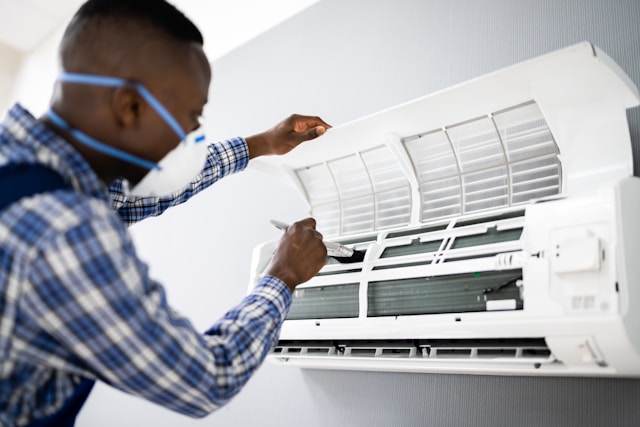
As the warmer months approach, many homeowners depend heavily on their air conditioning systems to keep indoor temperatures comfortable. However, few realize that the cleanliness of critical components, like those addressed during professional air conditioner coil cleaning, significantly affects not only comfort but also energy consumption and monthly utility bills. Dirt and debris buildup can quietly increase energy costs while decreasing your HVAC system’s efficiency and lifespan. Recognizing this hidden impact is essential for homeowners aiming to optimize their system’s performance and reduce expenses.
In this article, we’ll examine how grime accumulates in key cooling parts, why this buildup leads to energy inefficiencies, and what practical measures you can take to keep your system clean and operating at its best.
Your air conditioning system is made up of several important parts that must work together seamlessly to cool your home effectively, notes SGI Property Management Phoenix group. Among these components, a few are particularly vulnerable to dirt accumulation and can significantly affect energy consumption if neglected:
Evaporator Coils: These coils absorb heat from inside your home, allowing cool air to circulate.
Condenser Coils: Located in the outdoor unit, condenser coils release heat absorbed from inside the home.
Air Filters: These filter dust, pollen, and other airborne particles before air passes through the system.
Blower Fans: Responsible for pushing cooled air into your living spaces.
When any of these parts become clogged or dirty, the HVAC system struggles to operate efficiently, requiring more energy to achieve the desired cooling effect.
The buildup of dirt in cooling systems happens gradually and often goes unnoticed until problems become severe. Common sources of contaminants include:
Dust and Pollen: These airborne particles infiltrate the system through vents and can accumulate on filters, coils, and fans.
Mold and Mildew: Moist conditions inside cooling units, especially on evaporator coils, provide a breeding ground for microbial growth.
Pet Dander and Hair: Homes with pets experience additional airborne debris that can clog components.
Outdoor Debris: Leaves, grass clippings, and dirt can gather around condenser coils in the outdoor unit.
While some of this buildup is inevitable, regular cleaning and maintenance prevent excessive accumulation that hampers system performance.
When cooling components are dirty, the air conditioning system must work harder to maintain comfortable indoor temperatures. This increased effort results in higher electricity consumption and inflated energy bills. Here’s why:
The evaporator and condenser coils rely on clean surfaces to efficiently absorb and release heat. Dirt acts as an insulating barrier, reducing the coils’ ability to transfer heat effectively. This means the system has to run longer cycles or at higher power levels to achieve the same cooling effect, significantly increasing energy use.
Dirty air filters and clogged blower fans restrict airflow throughout the system. When air can’t move freely, the HVAC unit struggles to circulate cooled air efficiently. This forces the compressor and fans to operate more intensely and for longer periods, further driving up power consumption.
When the system overworks due to dirty components, it experiences increased mechanical strain. Over time, this leads to premature wear and tear, more frequent breakdowns, and costly repairs. Repairing or replacing parts often comes with additional energy demands during the process, not to mention the cost of the service itself.
The continuous strain caused by inefficiencies shortens the overall lifespan of your air conditioning system. Older systems tend to consume more electricity, which further exacerbates rising energy bills.
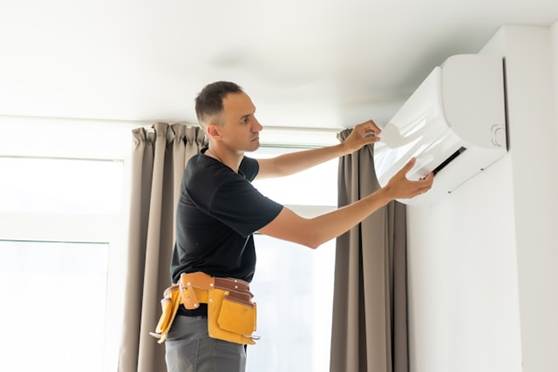
Recognizing the symptoms of dirty cooling components early can help you take timely action before energy costs spiral out of control:
Increased Energy Bills: Noticeable spikes in your utility bills without a change in usage patterns.
Reduced Cooling Performance: Rooms take longer to cool or never reach the desired temperature.
Uneven Cooling: Some areas of your home feel cooler than others, indicating airflow issues.
Unusual Noises: Straining, rattling, or buzzing sounds from your HVAC unit.
Foul Odors: Musty or moldy smells when the system runs can indicate microbial growth.
If you observe any of these signs, it’s time to contact a professional to clean the system.
Maintaining clean cooling components doesn’t have to be complicated or expensive. Here are several effective strategies for homeowners:
Changing or cleaning air filters every 1 to 3 months is one of the simplest yet most effective ways to improve airflow and reduce strain on your system. High-quality filters also trap smaller particles, improving indoor air quality.
Evaporator and condenser coils should be inspected and cleaned annually. Light dirt can be removed with a soft brush or vacuum, while more stubborn buildup may require specialized coil cleaners or professional service.
Ensure the area around the condenser unit is free from leaves, grass, and debris. Trim back any vegetation to maintain at least 2 feet of clearance for proper airflow.
Annual HVAC tune-ups performed by trained technicians include thorough cleaning of coils, checking refrigerant levels, inspecting electrical components, and testing system efficiency. Professional care can identify issues before they become costly problems.
For homes prone to mold or mildew, installing UV lights inside the HVAC system or applying antimicrobial sprays on coils can inhibit microbial growth and improve system hygiene.
Investing time and effort into keeping your cooling components clean pays off in multiple ways:
Lower Energy Bills: Cleaner components mean your system runs more efficiently, reducing electricity usage and lowering costs.
Fewer Repairs: Preventative care helps avoid expensive emergency repairs caused by strain and damage.
Longer Equipment Life: Well-maintained systems last longer, delaying the need for costly replacements.
Improved Comfort: Consistent cooling and better airflow enhance your home environment.
Better Indoor Air Quality: Clean filters and coils reduce allergens and pollutants circulating in your living space.
According to energy experts, well-maintained air conditioning systems can use up to 15% less energy compared to neglected ones, translating to significant savings over time.
The hidden impact of dirty cooling components on energy bills is often overlooked but critically important. Keeping your air conditioning system clean not only ensures a comfortable home during the hottest months but also protects your wallet from unnecessary expenses.
By understanding how dirt affects system performance and taking proactive steps to maintain your cooling components, you can enjoy reliable, efficient operation and maximize the lifespan of your HVAC investment.
Take control of your energy bills this season by scheduling a thorough system inspection, changing filters regularly, and keeping your outdoor unit debris-free. Small efforts today can lead to big savings tomorrow.











