Replacing underground pipes used to mean digging up your yard. Traditional excavation required heavy machinery, torn-up landscaping, and weeks of disruption. Trenchless pipe bursting in Rathdrum, Idaho offers a faster, less invasive way to replace damaged sewer or water lines.
Here, we break down how it works, when it’s the right choice, and what homeowners should expect.
The old or traditional way of replacing underground pipes involved digging long trenches, removing the old pipe, and installing a new one. This method is time-consuming and damaging to driveways, sidewalks, and yards.
Pipe bursting trenchless technology eliminates most of that hassle. This trenchless technique fractures old pipes underground while simultaneously installing a new one, resulting in minimal digging, faster completion, and a more durable replacement.
"For homeowners, trenchless technology is revolutionary," says a plumbing contractor. "It saves time, money, and your landscaping."
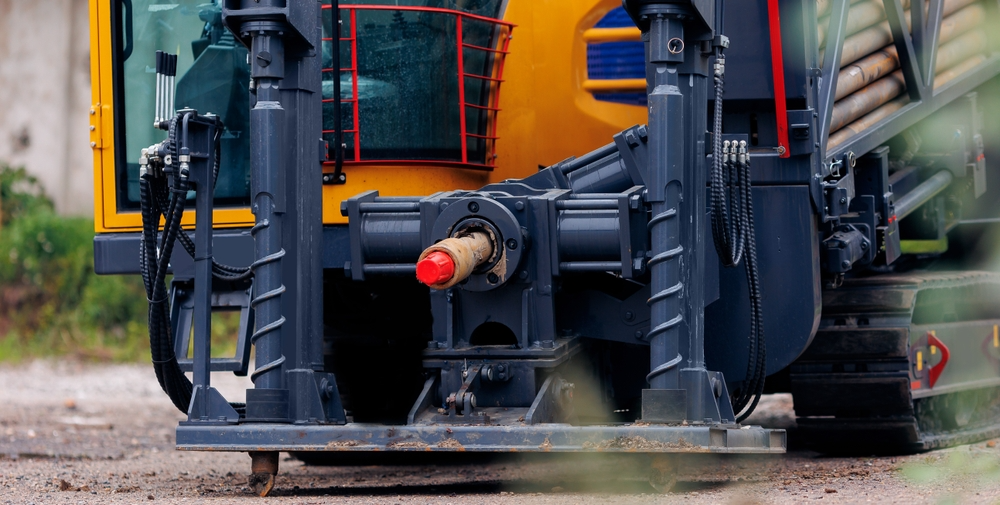
Pipe bursting relies on specialized equipment to replace old pipes. The whole process can often be completed within a single day, making it exceptionally speedy compared to traditional digging, which can be completed in weeks.
The replacement process unfolds as follows:
High-Density Polyethylene (HDPE) pipes are the gold standard in pipe bursting. These pipes can last over 50 years with proper care, making them excellent plumbing investments.
Another benefit of having HDPE installed is its corrosion-resistant properties. Homeowners can expect pipes to not rust or degrade like metal pipes. Taking into account their flexibility, durability, and seamless design, HDPE pipes are sure to withstand ground movement without cracking.
Pipe bursting isn’t the right solution for every repair. Pipe relining may be a better option for pipes with minor damage. A professional inspection can determine the best approach.
Pipe bursting may be ideal for:
Traditional excavation leaves a big environmental footprint. Trenchless pipe bursting is a much greener solution for homeowners who care about sustainability.
A few simple steps can make the process smoother before any work begins. Homeowners can prepare by:
Most homeowners don’t think about their pipes until there’s a problem. Catching issues early through timely inspections can prevent costly repairs that can overwhelm budget-conscious homeowners.
Homeowners must be aware of local rules governing pipe replacement projects. Adhering to these rules means avoiding payment of fines.
Your contractor should handle permit requirements, homeowners’ association concerns, and utility line checks before digging commences.
Opting for pipe bursting means having pipes replaced while keeping landscaping intact. With faster completion times and long-lasting results, homeowners would be remiss not to have their failing pipes fixed with this modern method.