Credit: By Aphis Marta - Own work, CC BY-SA 4.0, https://commons.wikimedia.org/w/index.php?curid=134214046
ZYN nicotine pouches have rapidly emerged as the hottest name in smokeless alternatives: dominating headlines, flying off store shelves, and recently earning a historic nod from the FDA. On June 13, 2025, the agency officially authorized the marketing of 20 ZYN products, marking the first time nicotine pouches have received such federal clearance. The move, while not an endorsement of safety, emphasizes that ZYN products present fewer health risks than combustible tobacco. It’s another win for Philip Morris International (PMI), the brand’s parent company, whose shares reached a record high of $184.33 following the news. With shipment volumes surging from 132 million cans in Q1 2024 to 202 million in Q1 2025, the ZYN phenomenon is exploding.
While adult use remains relatively low (under 1% as of 2022, according to a University of Southern California study), the cultural and commercial buzz surrounding ZYN continues to build. Social media influencers, memes, and political commentary have all driven the brand’s popularity, turning ZYN into a lifestyle staple among users in their 20s and 30s. In Pennsylvania, demand has crept upward, especially in urban areas like Philadelphia, where national ad data shows the city accounted for nearly 5% of ZYN’s non-national advertising occurrences and over 8% of targeted marketing spend. But with this unprecedented success has come an unexpected complication: a nationwide shortage. So, what does this mean for Pennsylvanians eager to get their hands on the small, discreet pouches they’ve come to rely on?
Since May 2024, users across the United States have reported difficulty finding ZYN, especially the most in-demand flavors and strengths. The cause, according to reporting by online nicotine pouch seller Prilla, isn’t regulatory interference or a looming product ban: it’s simply demand outpacing production. On social media, the term “Zyndemic” has gained traction as users vent frustrations about the ZYN shortage, citing empty shelves and product scarcity. Retailers and wholesalers alike have confirmed supply issues, with some forced to implement purchase limits to manage dwindling inventories.
As such, Philip Morris International has responded with urgency. All ZYN products are manufactured in Owensboro, Kentucky, where PMI has injected $232 million into ramping production capacity. However, with demand expected to hit 580 million cans in 2024 — up from 385 million in 2023 — even these measures may fall short. To meet the skyrocketing needs of consumers, PMI announced a $600 million investment in a new production facility in Aurora, Colorado, set to begin initial operations by late 2025. Once fully functional in 2026, the new plant is expected to bring ZYN’s manufacturing capacity to 900 million cans annually.
For now, however, Pennsylvania consumers may have to brace for periodic shortages, particularly in convenience stores outside major metro areas. The Northeast currently receives a smaller proportion of regional marketing attention than areas like the Southeast or Northwest, meaning retailers in Pennsylvania may fall lower on the replenishment priority list. That said, Philadelphia’s inclusion as a top-eight targeted market could insulate the city somewhat from the worst of the shortages.
Although ZYN’s roots are Scandinavian and its early momentum came from West Coast adopters, the brand is steadily gaining traction in the Keystone State. According to data published in Tobacco Control, Philadelphia ranks among the top 10 U.S. markets for ZYN’s regional advertising, suggesting growing interest and familiarity with the brand. And for many Pennsylvanians, ZYN has become a convenience item. Users appreciate its odorless, spit-free format and its pocket-sized portability. “It got to the point where I was sleeping with a Zyn under my lip,” said Jim McHugh, a financial professional from Pennsylvania, in a New York Times interview, a sentiment that underscores the intense brand loyalty cultivated in a short period.
ZYN isn’t alone in this space, however. The nicotine pouch market is populated by competitors like On!, Rogue, and VELO. While ZYN has become the category-defining name (much like Kleenex for tissues) other brands are quietly gaining market share during the shortage.
Pennsylvania consumers frustrated by the scarcity of their favorite ZYN flavor can find alternatives that offer a stopgap. Most are also discreet, spitless, and available in a range of nicotine strengths.
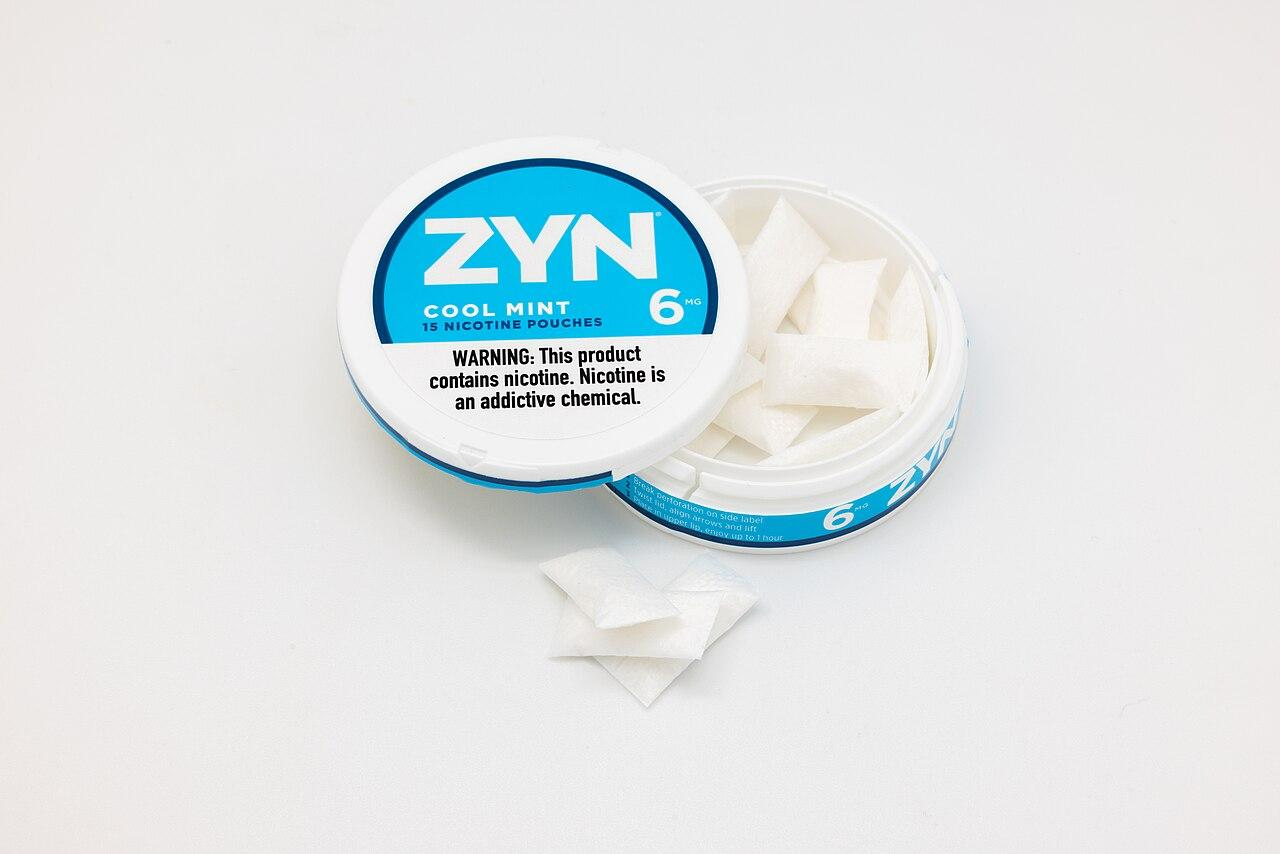
For those unfamiliar, nicotine pouches are small sachets that contain nicotine but no tobacco leaf. Users place them between the gum and lip (usually the upper deck — hence the slang “upper deckies”) where the nicotine is absorbed through the mouth’s lining. They’re popular among individuals looking for a smokeless and socially subtle experience, especially in office settings, nightclubs, or public transit, all places where traditional smoking or vaping might not be allowed.
As of now, there’s no sign that ZYN products will disappear permanently from Pennsylvania’s shelves. However, supply disruptions may persist into early 2026 as PMI works to bridge the gap between manufacturing capacity and skyrocketing demand. Until then, expect temporary shortages, delayed restocks, and increased experimentation with competitor brands across the state.
For Pennsylvanians wondering whether ZYN’s meteoric rise will lead to its downfall, the answer seems to be no. If anything, the shortage is simply a sign of just how popular and indispensable ZYN has become in the daily routines of nicotine pouch users in the US.