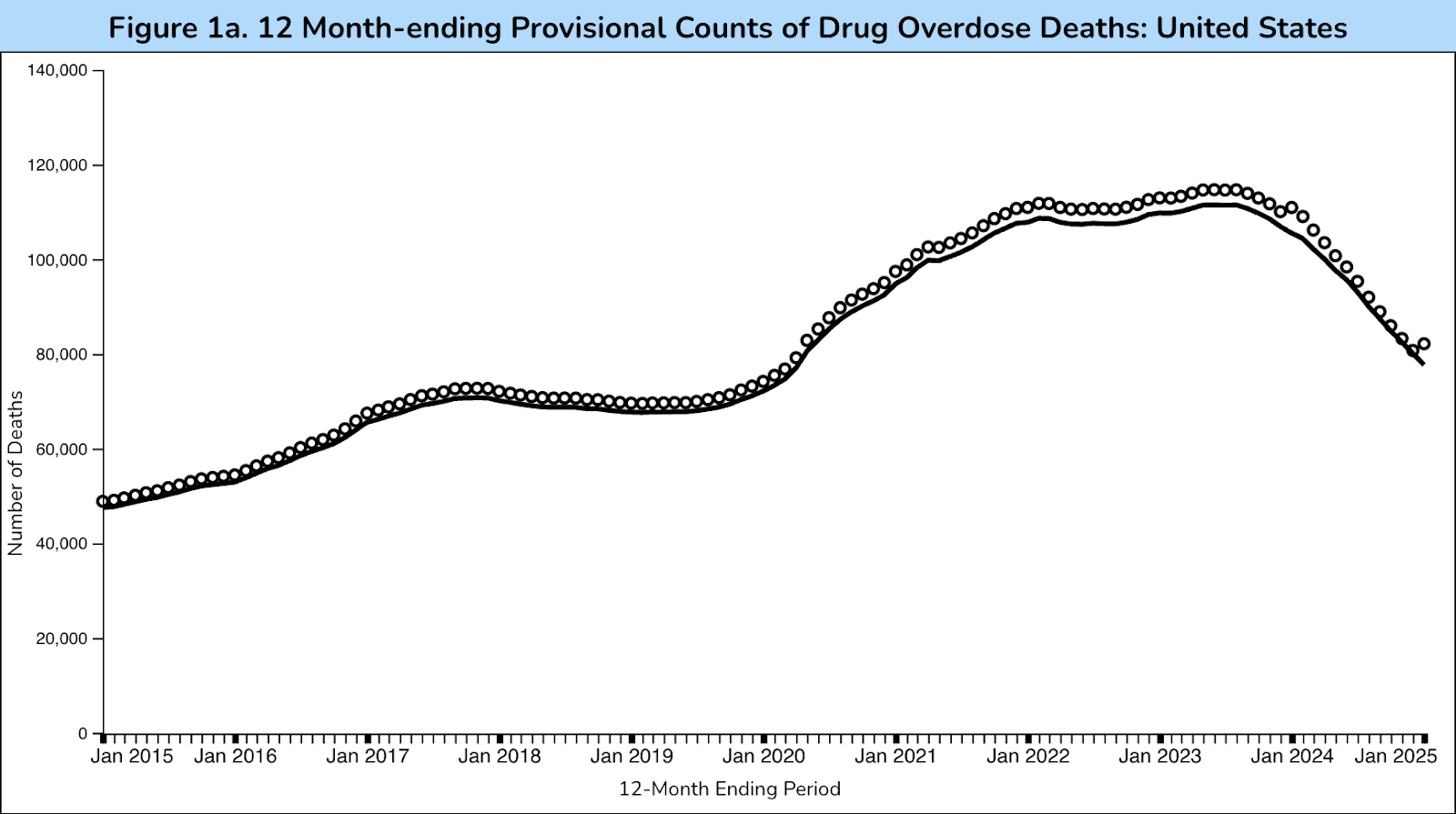
The U.S. opioid crisis has entered a new phase. With a 24% decline in overdose deaths between September 2023 and 2024 (CDC, 2024), public health leaders are celebrating a tentative victory. But beyond the headlines, a quieter story is unfolding—one told not through clinical trials, but through the testimonies of patients themselves.
While naloxone access, treatment expansion, and litigation against pharmaceutical companies have certainly played a role, a new question is emerging: Could plant-derived alkaloids like 7-hydroxymitragynine (7OH) be part of the solution?
This article explores the lived experiences of individuals using 7OH to manage pain, mental health challenges, and taper off opioids.
7-hydroxymitragynine (7OH) is a potent, naturally occurring indole alkaloid found in trace amounts in the leaves of the Mitragyna speciosa plant, more commonly known as kratom. Structurally, it is a partial mu-opioid receptor agonist, meaning it activates opioid receptors but with a reduced potential for respiratory depression compared to full agonists like morphine.
Recent research from Kruegel et al. (2016) has found that 7OH is a G-protein–biased agonist, a class of compounds that may offer pain relief with significantly lower side-effect profiles due to minimal beta-arrestin recruitment (PMC6598155).
Unlike pharmaceutical opioids, 7OH is a plant-derived molecule, but exhibits potency nearly 20 times greater than kratom’s primary alkaloid, mitragynine. Users often describe 7OH as offering a “cleaner, more functional” relief—a potential bridge between the power of clinical drugs and the safety of natural alternatives.
Submissions included:
The goal: capture nuance and context lost in traditional studies, and advocate for further clinical research based on patient-led data.
These results raise questions about 7OH’s potential to function as a transition aid, especially for those underserved by mainstream treatments.
While 7OH is not without risk—dose titration is key—it stands out for preserving user functionality and offering rapid onset relief.
Several respondents described 7OH as offering emotional grounding without the numbness of SSRIs or sedation of benzodiazepines. As Brittany J. noted:
“It helped me clear my mind without making me dull or sleepy. I felt normal again.”
Chronic pain sufferers, like Jon H., used 7OH to reduce prescription intake without withdrawal symptoms:
“I cut my Tramadol in half. Within 20 minutes, the pain was manageable.”
Cody G., previously dependent on Suboxone and oxycodone, stated:
“It did what Suboxone couldn’t—help me feel like myself again.”
These stories are consistent with the broader community dialogue on platforms like r/7OH, where users track dosages, protocols, and safety practices.
Based on aggregated reports:
Note: Most users report tolerance-avoidance strategies, including “dose cycling,” breaks, and hydration.”
Despite 7OH’s structural similarity to opioids, it is not detected in standard employment drug tests.
As always, users are advised to disclose use during clinical care or treatment intake.
The public health apparatus often prioritizes randomized controlled trials over qualitative datasets. Yet in crises—like COVID or the fentanyl epidemic—ethnographic, community-based evidence has often preceded and informed formal research.
Key questions policymakers should be asking:
Rather than reactively scheduling 7OH, we can fund independent research and support harm reduction via regulation—not criminalization.
When science lags behind suffering, patients will forge paths forward. The data gathered here is not conclusive—but it is too consistent, too diverse, and too compelling to ignore.
7OH is not a miracle cure. But it may be a functional, user-led tool in America’s most urgent public health battle. With overdose deaths finally declining, the time is now to ask harder questions, and listen harder to those with lived experience.
Sources:
Disclaimer: This content does not constitute medical advice. All statements are for educational and advocacy purposes only, grounded in patient-submitted data and public health context.