
When individuals think of trekking in Nepal, Mount Everest regularly takes the highlight. But past Everest lie inaccessible, untouched trails and airborne ventures that uncover the genuine heart of the Himalayas. For the observing traveler, the Manaslu Circuit trek, Kanchenjunga Circuit trek, and the Everest Helicopter tour offer an opportunity to plunge more profoundly, fly higher, and involve Nepal’s grand mountains in significantly important ways.
These courses take you past the standard — through sacrosanct valleys, over challenging passes, and over the clouds — for a Himalayan involvement established in characteristic excellence, social genuineness, and unadulterated awe.
Discover the Wild: Manaslu Circuit Trek
The Eighth-Highest peak in the World
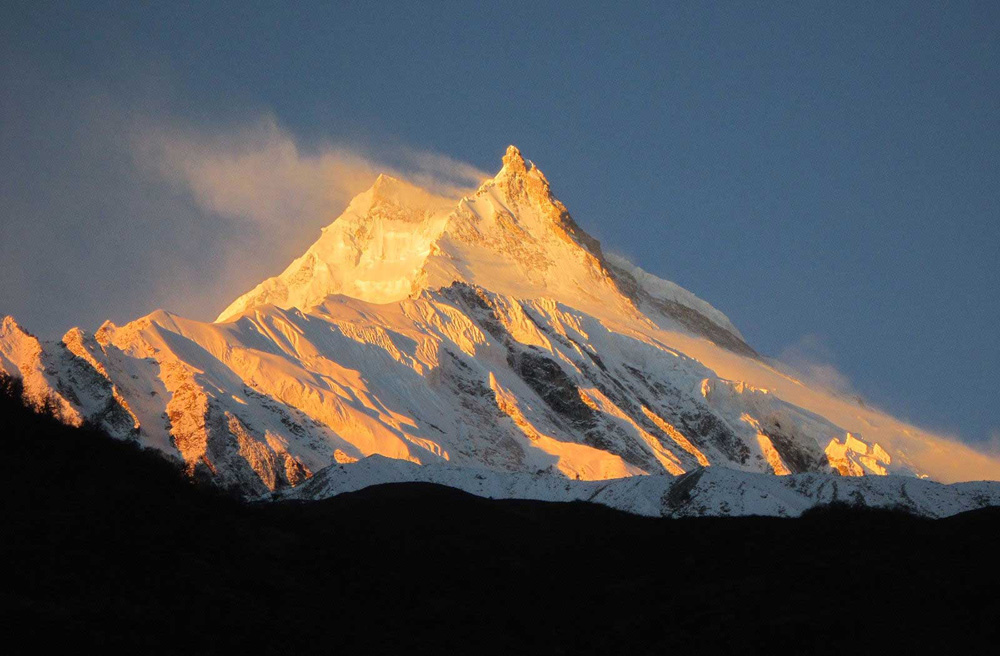
At 8,163 meters, Mount Manaslu is the world’s eighth-highest mountain and the centerpiece of one of Nepal’s most extraordinary treks. The Manaslu Circuit trek is perfect for trekkers looking for Adventure distant from the swarmed trails of Annapurna or Everest. It’s a crude, immersive involvement that weaves through thick woodlands, farther towns, and snow-covered passes.
A Travel Through Changing Landscapes
Starting in Soti Khola, the path takes after the Budhi Gandaki Waterway, taking trekkers from swamp rice paddies and subtropical woodlands into tall elevated zones. The course is punctuated by waterfalls, suspension bridges, and cliffs carved by centuries of disintegration. With each climb, the scene changes — the discussion gets to be more slender, the trees deliver way to shake and snow, and the seeds develop progressively more dramatically.
Villages along the way like Jagat, Namrung, and Samagaon offer impressions into nearby life, where horticulture and yak crowding stay staples. You’ll be invited with warm grins, butter tea, and a welcome to learn approximately Buddhist traditions and mountain spirituality.
Larke La Pass: The Tall Point
The highlight — and challenge — of the trek is Larke La Pass at 5,160 meters. This tall mountain pass requests stamina and legitimate acclimatization but rewards trekkers with all encompassing sees of Cheo Himal, Himlung Himal, Annapurna II, and Kang Master. The sense of achievement upon coming to the pass is gigantic, a celebration of determination in one of the world’s most lovely settings.The plummet from the pass interfaces with the Annapurna region, giving a wealthy difference in landscape and culture some time recently.
The Distant East Wilderness: Kanchenjunga Circuit Trek
Trekking to the Third-Highest Mountain
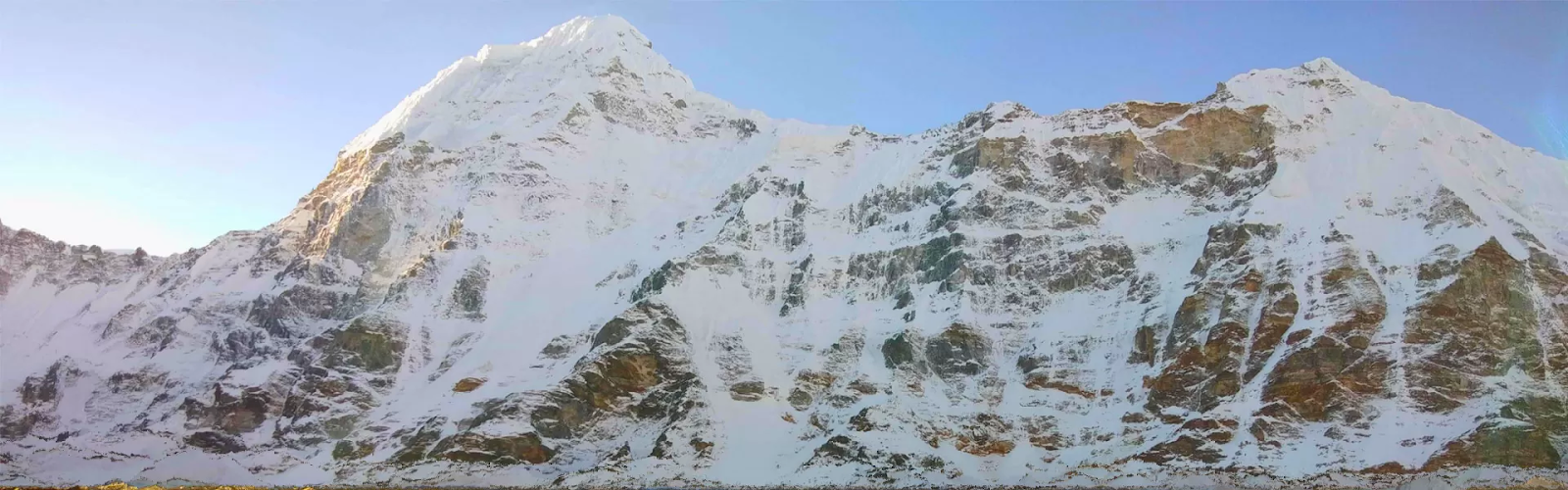
Tucked in Nepal’s distant eastern Himalayas, the Kanchenjunga Circuit trek is a genuine diamond for those willing to go the additional mile. At 8,586 meters, Mount Kanchenjunga is the world’s third-highest peak, straddling the border between Nepal and Sikkim, India. Not at all like the commercialized trails of central Nepal, this region offers crude wild, social differences, and an epic trekking challenge.
Into the Wilderness
The trek begins from Taplejung, a farther area in eastern Nepal. From there, trekkers travel through thick woodlands of rhododendron, bamboo, and pine, climbing relentlessly through differing biological systems. The path is long — regularly 22 to 26 days — and incorporates tours to both the North and South Base Camps of Kanchenjunga.
Here, nature rules are preeminent. The region falls inside the Kanchenjunga Preservation Region, domestic to species such as the ruddy panda, musk deer, Himalayan dark bear, and indeed the tricky snow panther. Waterfalls thunder into frigid streams, frigid moraines extend over the skyline, and avalanches check the control of normal strengths still at work.
Villages Solidified in Time
Despite the unforgiving territory, little settlements speck the scene. Towns like Ghunsa, Yamphudin, Tseram, and Khambachen have warm-hearted individuals from ethnic bunches such as the Limbu, Rai, and Tibetan-influenced Sherpa communities. Their wooden homes, complicatedly carved mani stones, vacillating supplication banners, and Buddhist stupas talk of centuries-old conventions maintained in isolation.
Teahouses here are humble, and the association to the exterior world is negligible, but this effortlessness as it were improves the feeling of genuineness. The cadence of life is guided by seasons, animals, and devout celebrations — a world absent from the hustle of modernity.
Sacred peaks and Peaceful Base Camps
Both base camps — Throb Pema (North) and Oktang (South) — give jaw-dropping views of the Kanchenjunga massif and its obsequious peaks. The mountain is respected as a sacrosanct god, and local people ask that trekkers not step on its most elevated focuses out of regard. The veneration for the mountain includes a layer of otherworldly centrality to the trek.
Skyward Bound: Everest Helicopter Tour
A Beautiful Flight Over the Himalayas
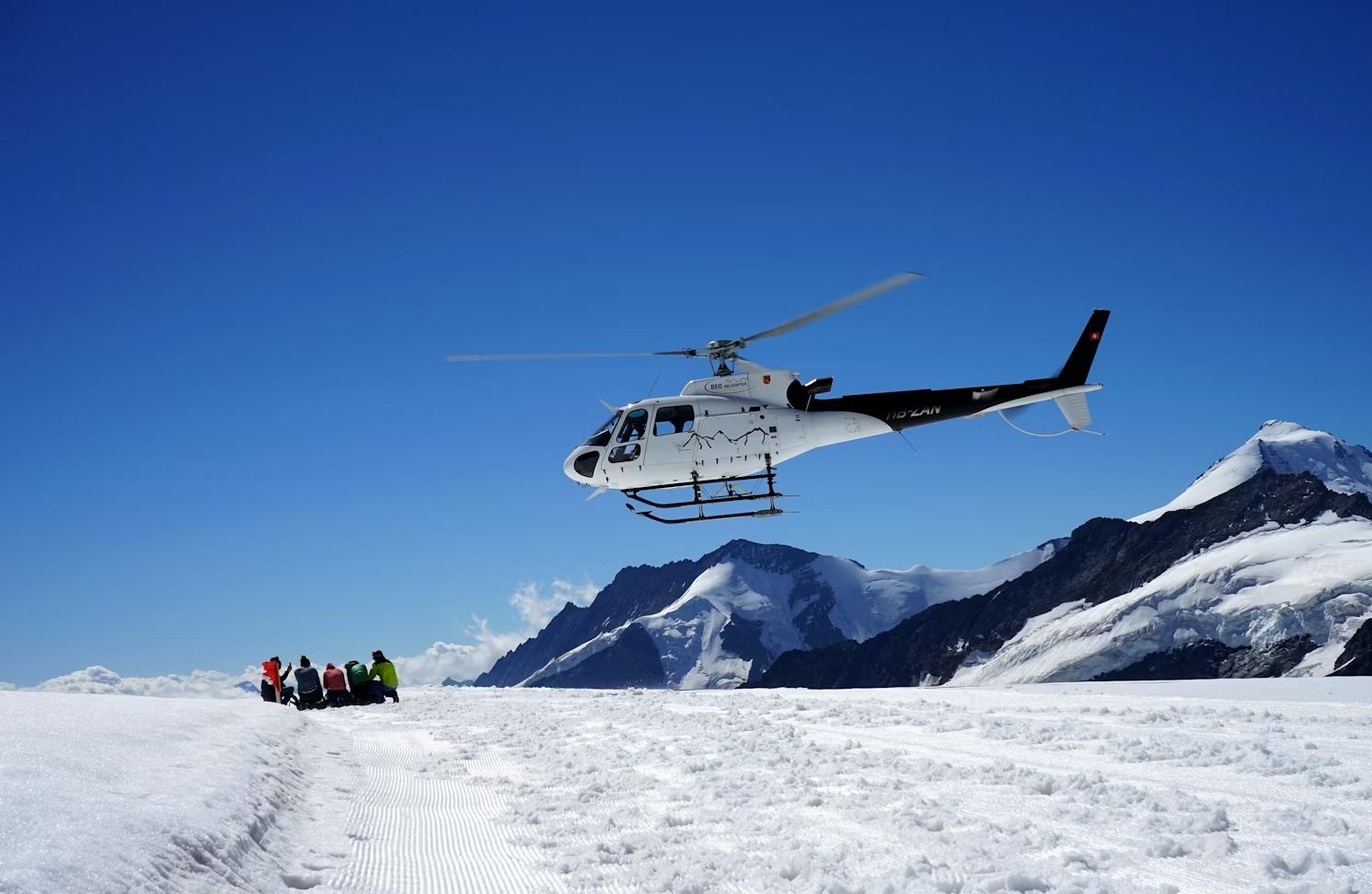
If there’s one encounter that captures the glory of Nepal in a fair few hours, it’s the Everest Helicopter tour. This relaxing travel lifts you over the clouds and places you face-to-face with the world’s most elevated mountain, Mount Everest (8,848.86 meters), and the mind blowing Himalayan range.
Ideal for those brief on time or incapable to trek long separations, this extravagance Adventure gives an unmatched point of view of Nepal’s towering scenes and lets you touch the sky — very literally.
The Flight of a Lifetime
The trip starts in Kathmandu, where the helicopter takes off at day break, cutting through layers of hills and ridgelines. As the flight climbs, the green hills of the Kathmandu Valley are supplanted by the spiked snow-capped peaks of the Khumbu region.
You’ll take off over Lukla, Namche Bazaar, and notorious points of interest like Tengboche Cloister, Ama Dablam, and Lhotse some time recently coming to the highlight of the tour — a near fly-by of Everest Base Camp and Kala Patthar, one of the best all encompassing perspectives of the Everest massif.
Touching the Sky
Many tour bundles offer a brief landing at Kala Patthar (5,545 meters), where, for a few extraordinary minutes, you can step out and look at the frosty mammoths encompassing you. The feeling of standing at this height, encompassed by the most noteworthy peaks in the world, is dreamlike and humbling.
Some schedules incorporate breakfast at the Lodging Everest See (3,880 meters) — one of the world’s most noteworthy extravagant lodgings — where you can taste coffee with Everest in plain sight. It’s a minute of stillness in the midst of the endlessness, a quiet difference to the clamor of regular life.
Cultural Associations and Community
Mountain Individuals and Traditions
Whether you’re trekking in Manaslu or Kanchenjunga, or flying over Everest, one common string ties these ventures together: the neighborliness and versatility of the Himalayan individuals. Their lives, carved out of extreme landscape and harsher climate, are filled with thoughtfulness, humor, and deep-rooted spirituality.
From the Tamang and Gurung individuals of Manaslu to the Limbu and Rai tribes of eastern Nepal, each bunch carries its claimed legends, dialects, and customs. Buddhist chortens, supplication banners shuddering in the wind, and religious chants resounding through the valleys make a otherworldly cadence to the trek.
Travelers are frequently welcomed into homes for tea, included in town celebrations, or instructed how to turn a supplication wheel. These minutes offer something more profitable than indeed the most picturesque sea — an association to humankind that rises above dialect and culture.
When to Go: The Best Seasons
For both trekking and flying, the best times to investigate these Himalayan courses are spring (March to May) and harvest time (September to November). These seasons offer clear skies, mellow temperatures, and ideal mountain visibility.
Preparing for the Adventure
Trekking Essentials
Treks like Manaslu and Kanchenjunga request arrangement. Grants, guides, watchmen, and physical preparation are vital for an effective and secure travel. Be beyond any doubt to pack:
Kanchenjunga and Manaslu are both limited regions, meaning you’ll require uncommon grants and an enlisted direct. These measures offer assistance to protect the trails and back nearby communities.
Helicopter tour Tips
For the Everest Heli tour, wear warm layers, shades, and gloves — the temperature at landing zones can be solidifying indeed on sunny days. Be careful of height changes, and drink water all through the flight. Book through a solid tour administrator to guarantee security, timing, and clear climate windows.
Why Go Past Everest?
Trekking and flying past Everest isn't fair, approximately maintaining a strategic distance from swarms; it’s about finding more profound stories. The hush of Kanchenjunga’s woodlands, the chants reverberating through Manaslu’s religious communities, the dawn enlightening Everest from the discussion — these are encounters that go past the bucket list. They are minutes that ground you, challenge you, and lift your spirit.
In these farther corners and elevated skies of Nepal, you discover more than experience — you discover an uncommon kind of peace.
Final Considerations:
To travel through Manaslu, Kanchenjunga, or to fly over the Everest region is to reply to the call of something ageless. These trails and skies are not fair courses on an outline — they are pathways to individual development, social understanding, and a reconnection with nature’s crude power.
Nepal’s farther magnificence welcomes the striking. Past Everest lies a world of sacrosanct peaks, untouched woodlands, and open skies. Will you take after the path — or take to the sky?











