Red blood cells (RBCs) play a central role in keeping your body energized and functioning. They carry oxygen from your lungs to tissues throughout your body and return carbon dioxide to be exhaled. Without healthy red blood cells, it’s hard for your body to deliver oxygen efficiently, which can lead to fatigue, weakness, and other health issues.
As more people focus on long-term health, widespread attention has turned to the systems that keep the human body working at a cellular level. Red blood cells lie at the core of this conversation.
In addition to greater knowledge, some people explore options like a balanced diet, regular exercise, or a C15 supplement. Regardless of your priorities, understanding what red blood cells do, how they’re made, and how to keep them functioning is a great place to start when looking to improve your energy and endurance.
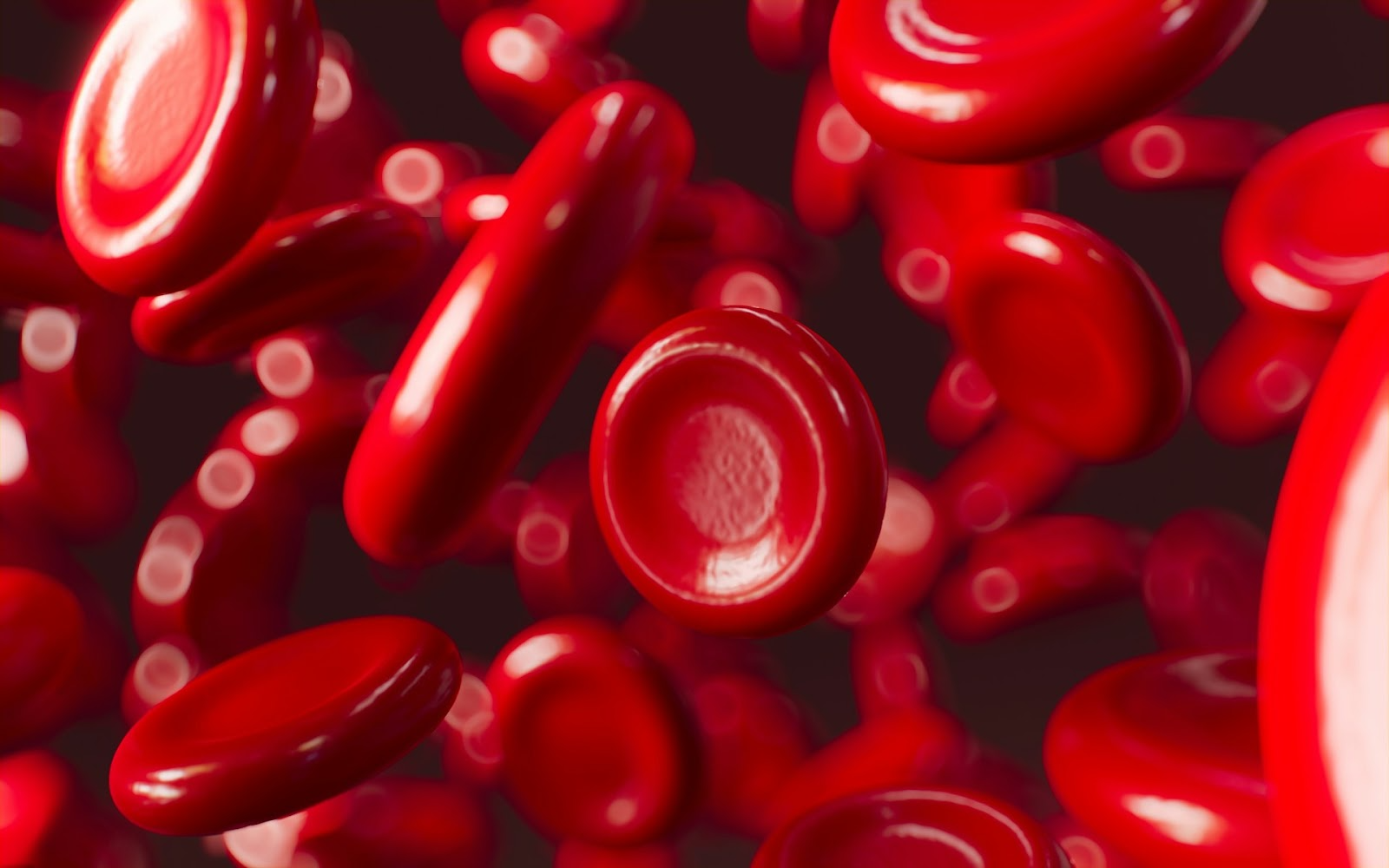
Red blood cells are specialized cells that transport oxygen throughout the body. They contain hemoglobin, a protein that binds to oxygen in the lungs and carries it to tissues and organs. Once oxygen is delivered, red blood cells help return carbon dioxide to the lungs to be expelled.
These cells travel through the bloodstream in a constant cycle. Because every part of the body needs oxygen, the efficiency and health of red blood cells directly affect how well your body performs its day-to-day functions. From brain activity to muscle function, oxygen delivery is essential.
Red blood cells also help maintain pH balance and support immune responses by carrying signals and interacting with other types of blood cells.
The body produces red blood cells through a process called erythropoiesis, which occurs in the bone marrow. This process is regulated by erythropoietin, a hormone made by the kidneys in response to low oxygen levels.
Nutrients like iron, vitamin B12, and folate are critical to red blood cell production. These nutrients help form hemoglobin and ensure that red blood cells mature properly. Deficiencies in any of them can lead to reduced production or poorly functioning cells.
Red blood cells have a lifespan of about 120 days. After that, they’re broken down and recycled, with components like iron reused in new cell formation.
A healthy red blood cell is shaped like a flexible, biconcave disc. This structure increases the cell’s surface area, allowing it to carry more oxygen and move easily through narrow blood vessels. Flexibility is especially important for squeezing through capillaries and delivering oxygen to the smallest tissues.
Red blood cells may not function properly when they are too large, too small, or misshapen. These abnormalities are often detected through routine blood tests like a complete blood count (CBC), which measures red blood cell size, number, and hemoglobin levels. Consistent monitoring can help identify changes before symptoms arise.
Several health conditions can affect red blood cells. One of the most common is anemia, which occurs when the body doesn’t have enough red blood cells or hemoglobin. There are different types of anemia, including iron deficiency, vitamin B12 deficiency, and chronic disease-related anemia. Symptoms often include fatigue, shortness of breath, and dizziness.
Sickle cell disease is a genetic disorder that causes red blood cells to become rigid and crescent-shaped. These cells don’t travel well through blood vessels and often break down prematurely, leading to pain and other complications.
Polycythemia vera is a rare condition in which the body produces too many red blood cells. This causes the blood to become thick and increases your risk of blood clots. If symptoms such as constant tiredness, frequent headaches, or pale skin occur, it’s important to consult a healthcare provider for testing and diagnosis.
Supporting red blood cell health starts with nutrition. A diet rich in iron (found in lean meats, legumes, and leafy greens), vitamin B12 (in fish, eggs, and dairy), and folate (in beans, citrus, and fortified cereals) can help your body produce healthy red blood cells.
Regular physical activity can also improve circulation and stimulate the production of red blood cells. Staying hydrated and getting enough sleep are equally essential.
To help red blood cells function optimally, avoid habits that interfere with oxygen delivery, such as smoking or excessive alcohol intake. In some cases, healthcare providers may recommend supplements or dietary changes based on lab results, such as C15 supplements.
Red blood cells are vital to nearly every system in your body. They deliver oxygen, help remove carbon dioxide, and keep your organs functioning at their best. When red blood cell levels are off, even slightly, it can have a noticeable impact on your energy, focus, and overall vitality.