
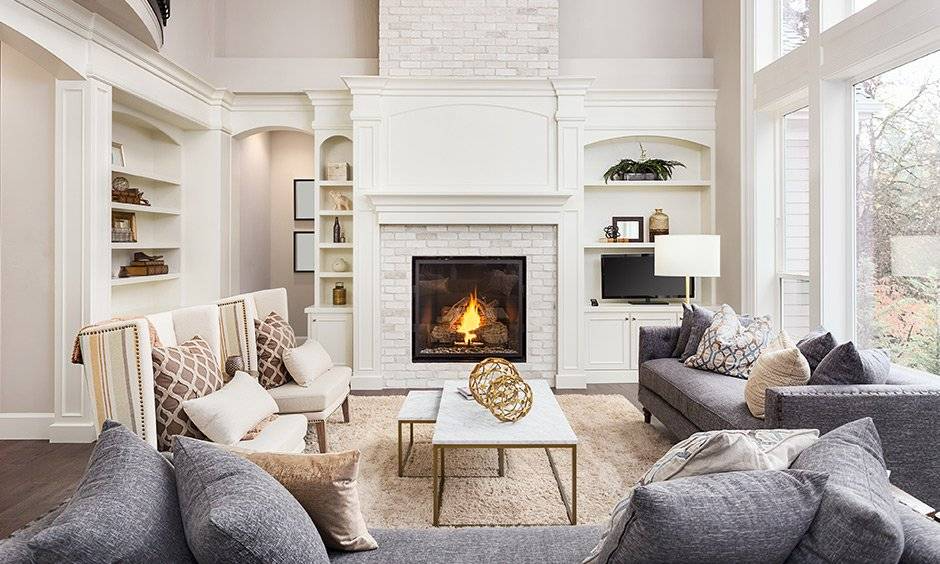
Online furniture shopping has grown to a $455.4 billion market by 2025, and for good reason. You can now furnish your entire home without stepping foot in a single store, compare prices, read real customer reviews, and have everything delivered to your doorstep. The shift is crazy: 44% of online purchases are now made on mobile devices, so you can redesign your living space during your lunch break. Home furnishing sales went from $133.6 billion in 2023 to $202 billion in 2024, so people trust online retailers with their biggest purchases.
Smart technology has changed the way we think about kitchen spaces. Connected appliances don’t just look cool—they solve real daily problems and save measurable time and energy. For example, smart refrigerators with inventory tracking let you see inside your fridge from the grocery store through built-in cameras.
Induction cooktops heat food 50% faster and use 10% less energy than gas ranges. Multi-zone air fryers let you cook different foods at different temperatures at the same time, and voice-controlled faucets let you start water flow hands-free when handling raw meat or messy ingredients.
Critical Measurement Tip: Standard refrigerators need 36-inch doorways and 1-inch clearance on all sides for proper ventilation. Measure your delivery path before ordering—many returns happen because appliances won’t fit through doorways.
Budget Reality Check: Quality kitchen appliances cost more upfront but save money long-term through energy efficiency and durability. For example, an $800 induction cooktop uses 15% less energy per year than a $400 electric range.
The living room gets the most use in most homes, so durability and comfort are key. Current trends favor pieces that adapt to multiple uses, not single-purpose furniture. Consider these investment priorities:
Crypton and Sunbrella fabrics, for example, cost 20-30% more than standard options but resist liquids, stains, and fading for 5-7 years longer than untreated materials. When choosing an area rug, remember it should extend at least 18 inches beyond your sofa on all sides. An 8x10 rug works for most standard living rooms, while larger spaces need 9x12 or 10x14.
Sleep science has come a long way, and furniture and accessories are designed around circadian rhythms and temperature regulation, not just aesthetics. Memory foam mattresses with cooling gel regulate body temperature while conforming to your sleeping position. Blackout curtains with thermal backing block 99% of light while reducing heating and cooling costs by 15%.
White noise machines with nature sounds mask disruptive sounds without the harshness of pure white noise, and adjustable beds with massage features can elevate legs to reduce swelling and improve circulation. Most quality online mattress companies offer 90-365 night trials, but your body needs 30-45 days to fully adjust to a new sleeping surface.
Bathrooms have evolved from functional spaces to personal wellness retreats. Water-saving technology and spa-like features combine efficiency with luxury. Some high-impact bathroom changes include:
Water Pressure Reality: Rainfall showerheads require a minimum of 40 PSI water pressure for proper function. Check your home’s pressure before ordering—low-pressure systems need booster pumps.
Dining rooms are double-duty family meal spaces and special occasion venues. Flexibility and durability matter more than style trends. Extendable dining tables seat 6 people daily and 10 for holidays.
Upholstered dining chairs with removable covers are comfortable for long conversations and easy to clean. Buffet cabinets with wine storage hide everyday dishes and display special pieces, and pendant lighting with dimmer controls provides task lighting for homework and ambient lighting for dinner parties.
For space planning, 24 inches of table width per person and 42 inches between the table and wall for chair movement.
Remote work is no longer optional. Ergonomic furniture and proper lighting directly impact productivity and long-term health. Here are some productivity-boosting office essentials:
Health Investment Logic: A $600 ergonomic chair prevents back problems that could cost thousands in medical bills and lost work time.
Research saves money and prevents disappointment. Younger shoppers lean towards online and hybrid shopping, but success requires preparation regardless of age. Before you buy, make sure to:
Big sales happen predictably: Memorial Day for outdoor furniture, July for appliances, Black Friday for electronics, and January for home goods clearances. Solid wood costs more than particleboard but lasts 10-15 years longer. Steel spring systems outperform foam cushions by 5-7 years in sofas and chairs.
Successful online furniture shoppers focus on solving specific problems rather than following trends. Quality retailers like OJCommerce curate selections based on functionality, durability, and customer satisfaction rather than just current styles. Long-Term Success Factors:
The global e-commerce furniture market is expected to reach $50.41 billion by 2029 because consumers have learned to shop smart online. Success comes from knowing what you need, researching, and choosing pieces that make your daily life better, not just fill space. Shop online with confidence in every room.











