
Do You Need To Have Your Water Heater Replaced? Here are the Signs
It always seems to happen at the worst time—you're mid-shower, fully lathered, and bam... the hot water vanishes. If that’s a familiar feeling, your water heater could be trying to tell you it's a water heater replacement in Princeton, NJ.
We're breaking down when replacement makes more sense than another repair bill.
Age may be the most telling when to have your water heater replaced. Most traditional water heaters last about 8 to 12 years—after that, you're running on borrowed time. Even if it’s still heating water as expected, older units tend to be less efficient and more prone to breakdowns.
What to do:
“Don’t wait for a total failure,” advises a certified home services contractor. “Once corrosion sets in, there’s no going back.”
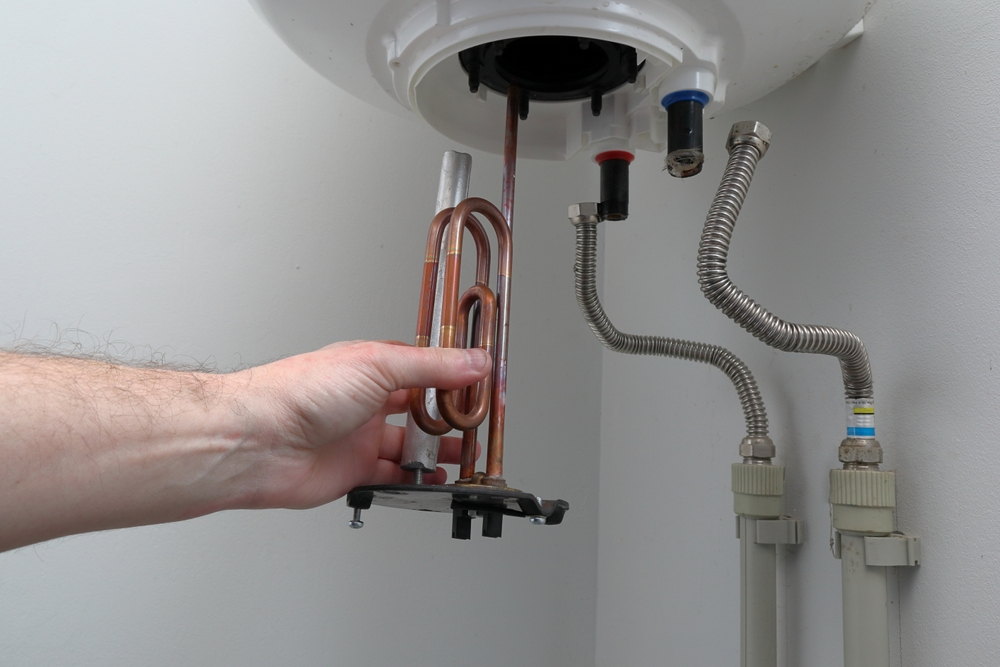
You should not settle for a water heater that produces hot water that feels “off” or if hot water runs out too quickly. Inconsistent temps usually point to worn-out heating elements or mineral buildup inside the tank. Neither one improves with time.
Tips to troubleshoot:
Popping, knocking, or rumbling sounds aren’t just quirks—they are warning signals. What you’re hearing is steam trying to push past hardened sediment in the tank. It stresses the system and wastes energy.
These noises mean:
“When a heater starts making noise, replacement is usually closer than you think,” says a licensed plumbing tech.
If you spot water pooling around your unit, don’t ignore it. Even small leaks can mean the internal lining is cracked. Once the tank itself is compromised, your unit is likely beyond repair.
Be sure to check for drips from the pressure relief valve or fittings. If the leak is from the base, you should shut off power/gas and call a pro. When dealing with leaks, avoid delays. Remember, procrastinating can lead to flooding or major water damage.
Notice your electric or gas bill rising, even when your usage hasn’t changed? It isn’t just a suspicion. Older water heaters often become less efficient over time, and sediment buildup may be to blame. This is an issue that makes them work harder, requiring more energy to heat less water.
To reduce monthly costs:
Here’s a quick checklist to help you spot whether your water heater is nearing the end:
If you're ticking off more than one of these, it's time to consult technicians from water heater replacement services before you're left without hot water.
Waiting is never a good strategy when dealing with a failing water heater. If the tank bursts or leaks overnight, you could be looking at:
Replacing proactively helps you avoid all that—and gives you the chance to choose a better model, on your terms, without rushing.
The difference between a smart homeowner and a stressed one is knowing when to act when their water heater is not working as intended. That sputtering hot water, those weird banging sounds, the unexplained jump in energy bills—they’re not “quirks.” They’re signs your water heater is on the way out.











