Your home’s exterior faces constant exposure to the elements - sunlight, rain, wind, and pollution all take their toll. While materials like siding and gutters are built to protect your home and endure these conditions over time, many homeowners find that their exteriors age more quickly than anticipated, notes property management in Charlotte, NC. A major factor behind this accelerated wear isn’t just natural aging but the buildup of dirt and biofilm that often goes unnoticed.
Regular maintenance practices like professional gutter cleaning in Washington DC can make a significant difference in preserving your home’s exterior and extending its lifespan.
At first glance, dirt may seem like harmless dust and grime. However, it’s a complex mixture that often contains soil particles, pollen, vehicle exhaust residue, airborne pollutants, and microscopic organic material. This combination settles on your home’s exterior surfaces and, when left unchecked, forms a stubborn layer that traps moisture and promotes decay.
Biofilm is a slimy, glue-like layer made up of microorganisms including bacteria, algae, fungi, and molds. These microbes cling tightly to surfaces and feed on organic matter within dirt and dust deposits. Biofilms are common in moist environments and are often invisible until they become thick enough to discolor surfaces, appearing as dark streaks, green patches, or black spots on siding and gutters.
While gutters and siding protect your home’s structure, the accumulation of dirt and biofilm works against them in multiple damaging ways:
One of the biggest problems with dirt and biofilm buildup is that they retain moisture against surfaces. This constant dampness accelerates material breakdown.
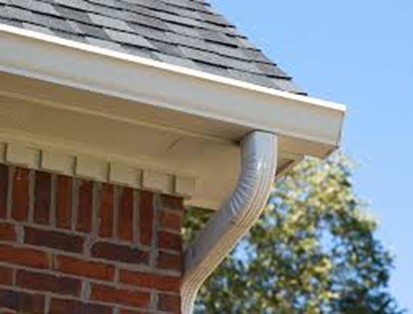
For Gutters: Moisture trapped in leaves, debris, and biofilm inside gutters promotes rust and corrosion in metal gutters and can cause rotting in wooden gutter components.
For Siding: Prolonged moisture exposure softens wood siding, causes paint to peel and blister, and encourages mildew and mold growth, which break down siding materials.
Biofilms provide the perfect environment for moss, algae, and fungi to flourish. These organisms:
Dirt and biofilms act like abrasives when wind and rain pass over the surface, wearing down paint and finishes more quickly. They also hold UV rays closer to the surface, intensifying sun damage and causing premature fading and cracking.
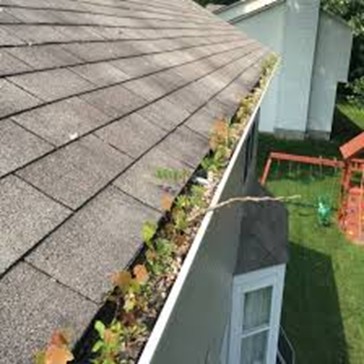
Leaves and dirt buildup mixed with biofilms block gutters and downspouts, causing water overflow and damage to siding and foundations. This can lead to costly repairs and accelerate the exterior’s aging.
Knowing what to look for helps homeowners intervene before irreversible damage occurs:
Dark Streaks or Discoloration: Particularly on vinyl or painted siding, dark vertical stains are usually algae or mildew colonies.
Peeling or Bubbling Paint: Indicates moisture trapped beneath paint, often caused by biofilms holding dampness.
Rust Spots on Gutters: Early signs of corrosion caused by prolonged water exposure and trapped moisture.
Warped or Soft Wood Siding: Result of moisture absorption promoted by dirt and microbial buildup.
Clogged Gutters with Thick Debris: Indicates biofilm presence as it binds leaves and dirt into a sludge.
Musty or Moldy Odors Near Exterior Walls: Sign of microbial growth beneath siding or near gutters.
The good news is that with proper maintenance and care, you can significantly reduce the harmful effects of dirt and biofilm buildup.
Use professional power washing to remove dirt, biofilms, and stains. Be careful with pressure settings to avoid damaging siding or gutters.
A gentler alternative that uses low-pressure water combined with cleaning solutions to safely remove biofilms and mildew.
Clear leaves and debris at least twice a year, and consider installing gutter guards to reduce buildup.
Paint and Sealants: Repainting with high-quality, mold-resistant paint and sealing porous siding materials creates a barrier that resists dirt and moisture.
Anti-Microbial Treatments: Specialized treatments inhibit algae, mold, and mildew growth and keep biofilms at bay.
Ensure gutters and downspouts direct water away from siding and foundations to minimize moisture exposure. Grade soil around the home to prevent pooling near the base of siding.
Reducing shade and moisture buildup by pruning trees allows more sunlight and airflow, discouraging microbial growth.
Regularly inspect gutters and siding for early signs of damage or buildup. Early intervention prevents costly repairs later.
By addressing dirt and biofilm accumulation promptly, homeowners enjoy:
Extended Lifespan of Exterior Materials: Clean, dry surfaces last longer and maintain structural integrity.
Improved Home Aesthetics: Clean, bright siding and rust-free gutters boost curb appeal.
Reduced Repair Costs: Preventing decay and corrosion saves thousands in repair or replacement bills.
Healthier Home Environment: Less mold and mildew reduce allergens and improve air quality around your home.
Your gutters and siding are frontline defenders against the elements, but dirt and biofilm can quietly undermine their effectiveness and accelerate aging. Understanding how these unseen forces contribute to moisture retention, biological growth, and surface degradation empowers homeowners to take action.
Regular cleaning, protective treatments, proper drainage, and routine inspections are essential strategies to preserve the beauty, function, and value of your home’s exterior. By investing time and effort into these preventive measures, you’ll ensure that your gutters and siding age gracefully - protecting your home for years to come.