The human nervous system is often pushed to its limits. The barrage of digital notifications, pressures from work and family life, and the relentless drive to stay productive can leave our bodies stuck in a perpetual state of stress. This chronic stimulation can manifest as fatigue, anxiety, muscle tension, poor digestion, and disrupted sleep. Fortunately, more people are turning to gentle, body-based therapies to help soothe the nervous system and restore a sense of equilibrium, without relying on medications or drastic lifestyle changes.
This article highlights a range of time-honored, holistic techniques, like acupressure, craniosacral therapy, breathwork, and other somatic practices, that engage the body’s natural healing processes. Through a hands-on touch or the strategic placement of acupuncture needles, these methods are designed to regulate stress responses, promote relaxation, and support lasting wellness.
It’s important to understand how the nervous system responds to stress. The autonomic nervous system (ANS) governs many of our involuntary bodily functions, like heart rate, digestion, and breathing. It has two main branches:
Sympathetic Nervous System (SNS): Often called the “fight or flight” system, this kicks in when we perceive danger or feel overwhelmed.
Parasympathetic Nervous System (PNS): This is the “rest and digest” system, responsible for calming the body and allowing for recovery and repair.
Many people live with a chronically activated sympathetic system, which can lead to a host of problems over time. Gentle therapies aim to stimulate the parasympathetic response - bringing the body out of overdrive and back into a calmer, more functional rhythm.
One of the most accessible and widely practiced gentle therapies is acupressure. This technique stems from traditional Chinese medicine and involves applying steady, finger pressure to specific points on the body believed to lie along meridians—pathways through which vital energy (Qi) flows.
By stimulating certain points, acupressure helps release muscular tension, improve circulation, and send calming signals to the nervous system. Common points include:
Acupressure is safe for most people and can be practiced at home or with a licensed professional. Some practitioners also use TENS units with electrode pads placed on acupressure points to enhance the relaxing effect using mild electrical impulses.
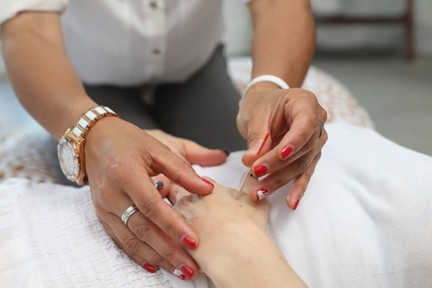
Another remarkably gentle yet powerful modality is craniosacral therapy (CST). Developed by osteopathic physician John Upledger in the 1970s, CST works with the rhythm of cerebrospinal fluid in the body. Practitioners use light touch—no more than the weight of a nickel—to detect and release restrictions in the craniosacral system (which includes the membranes and fluids surrounding the brain and spinal cord).
Sessions often take place on a massage table in a quiet room. Many clients report entering a deeply meditative state during treatment, and emerging with a sense of mental clarity, reduced pain, and emotional release.
Craniosacral therapy has been used to address conditions such as:
What makes CST so appealing is its non-invasive nature. It doesn’t manipulate bones or muscles but rather encourages the body’s natural healing mechanisms through stillness and presence.
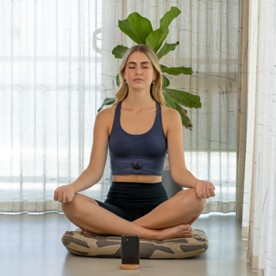
Conscious breathing may seem too simple to be powerful, but when practiced with intention, it can have immediate effects on the nervous system. Breathwork practices—ranging from ancient yogic pranayama to modern somatic breath therapies—activate the vagus nerve, which plays a crucial role in parasympathetic regulation.
One of the most effective techniques is slow diaphragmatic breathing, sometimes called “belly breathing.” Here’s a simple way to begin:
This practice lowers heart rate, reduces cortisol (the stress hormone), and can even improve digestion by stimulating the vagus nerve. Breathwork is increasingly used by trauma therapists, yoga instructors, and even athletic coaches to help regulate performance anxiety and stress-related fatigue.
For those who feel too jittery to sit still, gentle movement practices can be especially helpful. Modalities like Feldenkrais, Alexander Technique, and tai chi combine slow, mindful movements with awareness of the body in space, helping to reset posture, relieve tension, and calm the mind.
These techniques often work directly with the proprioceptive and vestibular systems, both of which are tied to the brain's perception of balance and safety. By moving slowly and with attention, individuals retrain their nervous systems to feel more stable, grounded, and safe.
Even something as simple as a slow walk in nature, especially barefoot or on uneven terrain, can calm the nervous system by stimulating the feet and re-centering attention away from racing thoughts.
The human nervous system responds deeply to sound and touch. Tools like weighted blankets, tuning forks, sound bowls, and vibration therapy can all help regulate sensory input and foster a sense of calm.
One widely adopted tool is the TENS unit (Transcutaneous Electrical Nerve Stimulation), which delivers low-level electrical impulses via TENS electrode pads placed on the skin. While often used for pain management, many recovery professionals in sports and rehabilitation settings also find that TENS therapy helps calm overactive muscles and promote relaxation. Some practitioners combine TENS with acupressure or massage for synergistic benefits.
Similarly, massage therapy, especially techniques like Swedish massage or lymphatic drainage, can activate the parasympathetic response, ease muscular tension, and lower blood pressure. Even short sessions of therapeutic touch can improve mood and sleep quality.
There’s no one-size-fits-all approach to calming the nervous system. For some, it’s breathwork and meditation. For others, it’s tactile input from craniosacral therapy or the gentle hum of a TENS unit. The key is consistency and tuning in to what your body responds to best.
Start by asking yourself:
When do I feel most calm during the day?
What sensations help me feel grounded and safe?
Which therapies feel restorative rather than overwhelming?
From there, consider layering two or three techniques into your weekly routine. You might start your morning with 10 minutes of breathwork, book a craniosacral session twice a month, and use a TENS unit after workouts or on high-stress days.
In a culture obsessed with doing more and moving faster, learning how to slow down is an act of resilience. These gentle therapies don’t force or override the body—they listen, respond, and restore. Whether you’re recovering from trauma, managing stress, or simply seeking more balance in your day-to-day life, quieting the nervous system is a practice with lasting benefits.
When you give your body the tools it needs to feel safe, supported, and regulated, everything else - focus, energy, healing, even joy - becomes more accessible.
Gentle doesn’t mean weak. It means wise. And sometimes, it’s the softest approaches that leave the deepest mark.