
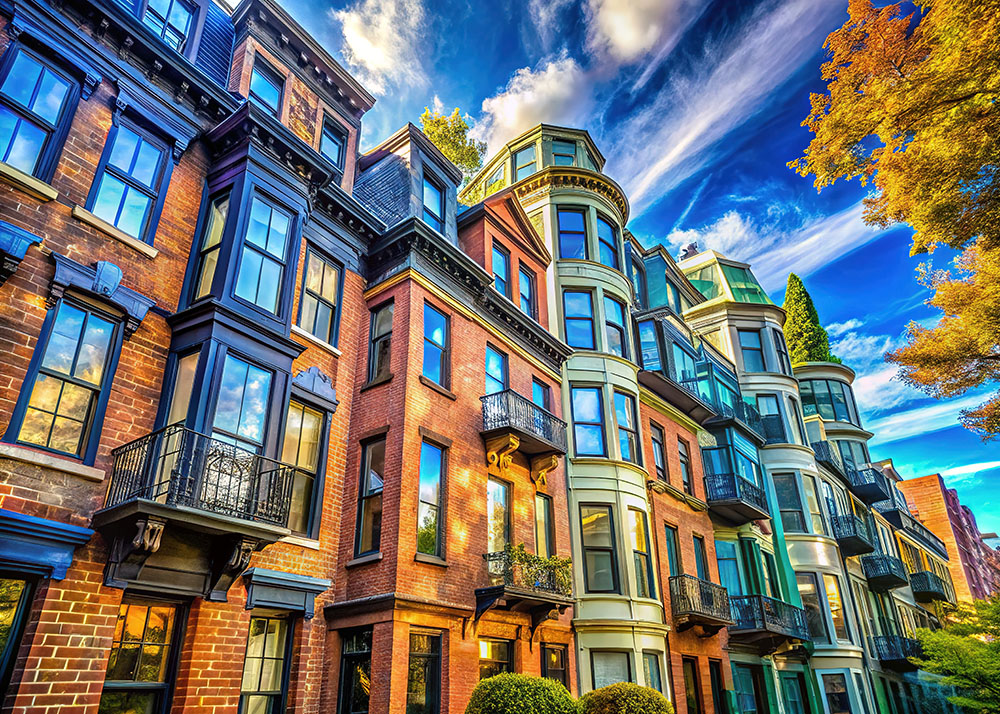
Chris Rapczynski is the owner of Sleeping Dog Properties, a high-end residential construction company based in Boston, MA. With years of experience in new home construction, Chris understands what it takes to create a home that seamlessly blends timeless charm with modern functionality, discussing below how to achieve that perfect balance between past and future in home design.
New England is known for its classic architecture - think weathered clapboard siding, pitched roofs, charming dormers, and white-trimmed windows peeking out from beneath broad eaves. The architectural styles that define the region, particularly Colonial and Cape Cod homes, are more than just aesthetic traditions, they’re cultural markers that have stood the test of time.
Yet homeowners today are increasingly seeking the comforts of the 21st century - smart home technology, energy efficiency, open-concept layouts, and sustainable materials. So, how can one blend the warmth and familiarity of traditional New England architecture with modern amenities, without compromising the integrity of either?
While Colonial and Cape Cod styles are the most iconic, each has its own unique elements:
Colonial Style | Cape Cod Style |
Symmetrical facade | Steep pitched roof (to shed snow) |
Centered front door flanked by multi-paned windows | Dormers for extra light and space |
Side-gabled roof | Central chimney |
Brick or wood siding | One or one-and-a-half stories |
Double-hung windows with shutters | Shingle siding that weathers naturally |
These architectural details have endured for centuries due to both their practicality and aesthetic simplicity, making them ideal candidates for thoughtful modernization.
The exterior of your home establishes its identity. Fortunately, modern construction techniques and materials allow you to preserve the visual appeal of traditional New England homes while improving durability and efficiency, notes Chris Rapczynski.
To replicate the timeless look of wood clapboard or cedar shingles, modern composite materials offer low-maintenance, weather-resistant alternatives. Fiber cement siding, for instance, can mimic wood grain while resisting rot, insects, and extreme weather - essential for coastal or rural New England climates.
Metal roofing panels designed to look like traditional shingles or slate are now available and can significantly extend a roof’s lifespan while improving energy efficiency.
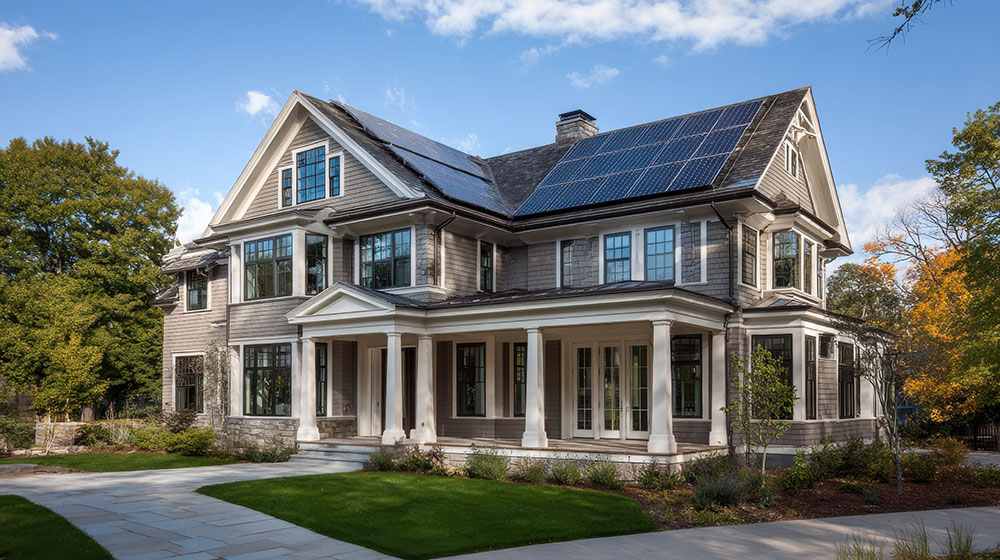
Traditional window arrangements, especially multi-paned double-hung windows are staples of Colonial and Cape Cod homes. However, using energy-efficient versions with Low-E glass, insulated frames, and modern sealing techniques allows you to maintain that classic grid pattern while slashing heating and cooling costs.
Chris Rapczynski suggests considering storm windows designed to mimic historical styles, which can add insulation without detracting from the overall aesthetic.
The key to integrating technology into a historically styled home is to do it subtlety. Today’s smart devices are increasingly minimalistic and can blend seamlessly into traditional interiors.
Smart lighting systems can be embedded behind classic fixtures, such as wrought-iron sconces or antique-style chandeliers, giving homeowners the ability to control ambiance with a smartphone or voice assistant without visual disruption.
Smart thermostats like the Nest or Ecobee can be strategically placed in inconspicuous locations or behind decorative covers, providing modern climate control in a way that doesn’t clash with the home’s historical feel.
Instead of a flashy array of security gadgets, use low-profile smart locks, doorbell cameras disguised as traditional fixtures, and motion sensors hidden within decorative molding or trim.
Chris Rapczynski says that smart window shades or blinds can be programmed to adjust based on time of day or season - all while remaining hidden behind curtains or valances typical of Colonial or Cape Cod décor.
While traditional New England homes are often compartmentalized with formal rooms, modern living favors open floor plans and multi-use spaces. Fortunately, you can create interior openness without abandoning historical cues.
Removing select non-load-bearing walls allows for airier spaces while keeping features like built-in bookshelves, crown molding, or transom windows that give rooms a timeless quality. For example, combining a Colonial-style dining room and kitchen into a single open-concept space creates functionality while maintaining architectural consistency.
In Cape-style homes, finished attics with dormers can serve as home offices, reading nooks, or guest rooms bringing modern utility to previously underused spaces.
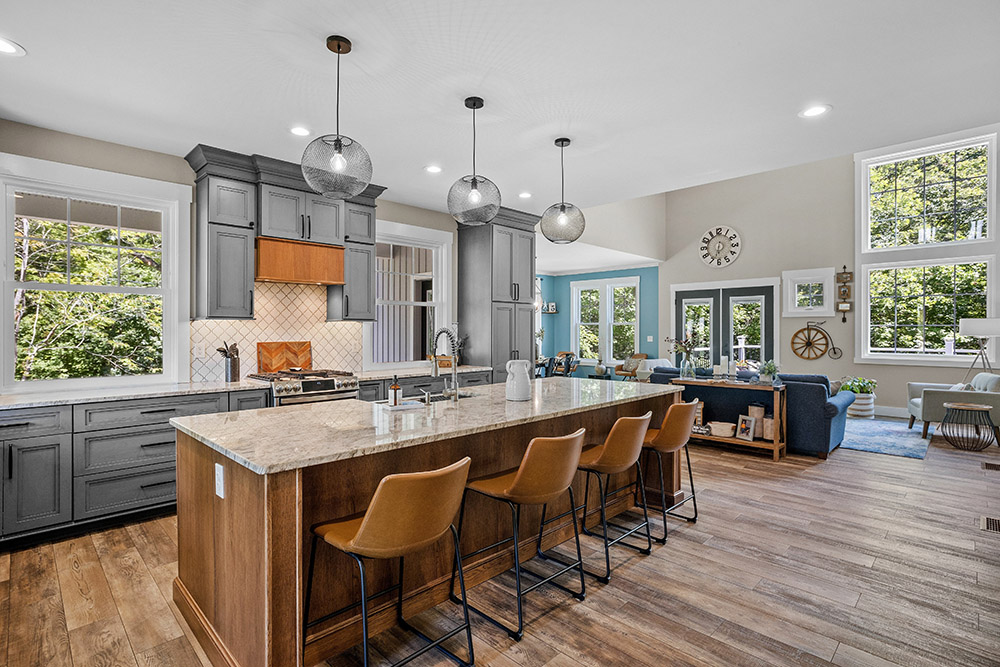
Use historically appropriate materials such as hardwood floors, exposed beams, or wainscoting, then complement them with modern furniture or sleek appliances. Quartz countertops can be installed in shaker-style cabinetry, blending contemporary durability with traditional design.
Paint choices can also bridge the old and new: opt for neutral palettes, deep blues, and forest greens inspired by historic homes, with contrasting modern accent colors for a fresh twist.
Traditional New England homes were designed to withstand the cold, but modern building science can significantly improve performance without compromising appearance.
Chris Rapczynski explains that modern insulation techniques allow for deep energy savings behind walls and under roofs. Use spray foam in tight spaces like Cape Cod’s eaves or crawl spaces, and rigid board insulation beneath siding to boost R-values without altering your home’s appearance.
Mini-split systems provide zone-based climate control with minimal disruption to traditional architecture. Concealed duct systems and radiant floor heating also offer high-efficiency heating and cooling with virtually no visual footprint.
If you're building in a community with architectural guidelines, consider solar shingles or panels mounted on non-visible roof slopes to reduce your carbon footprint while keeping within stylistic boundaries. Battery backup systems can be housed in discreet, climate-controlled areas of the home or garage.
Blending traditional New England architecture with modern convenience is not a matter of compromise - it’s about honoring the craftsmanship of the past while embracing the tools of the future.
To achieve a successful design:
Designing a home that balances Colonial or Cape Cod style with the comforts of contemporary living offers the best of both worlds: the charm and romance of New England’s architectural heritage with the efficiency, connectivity, and comfort demanded by today’s lifestyle.
Chris Rapczynski notes that when done thoughtfully, this fusion results in a home that tells a story - not only of where we've been but where we're going. Whether you’re nestled in the Berkshires, settled in a coastal town like Marblehead, or building on the outskirts of Boston, your home can reflect New England tradition while boldly stepping into the future.











