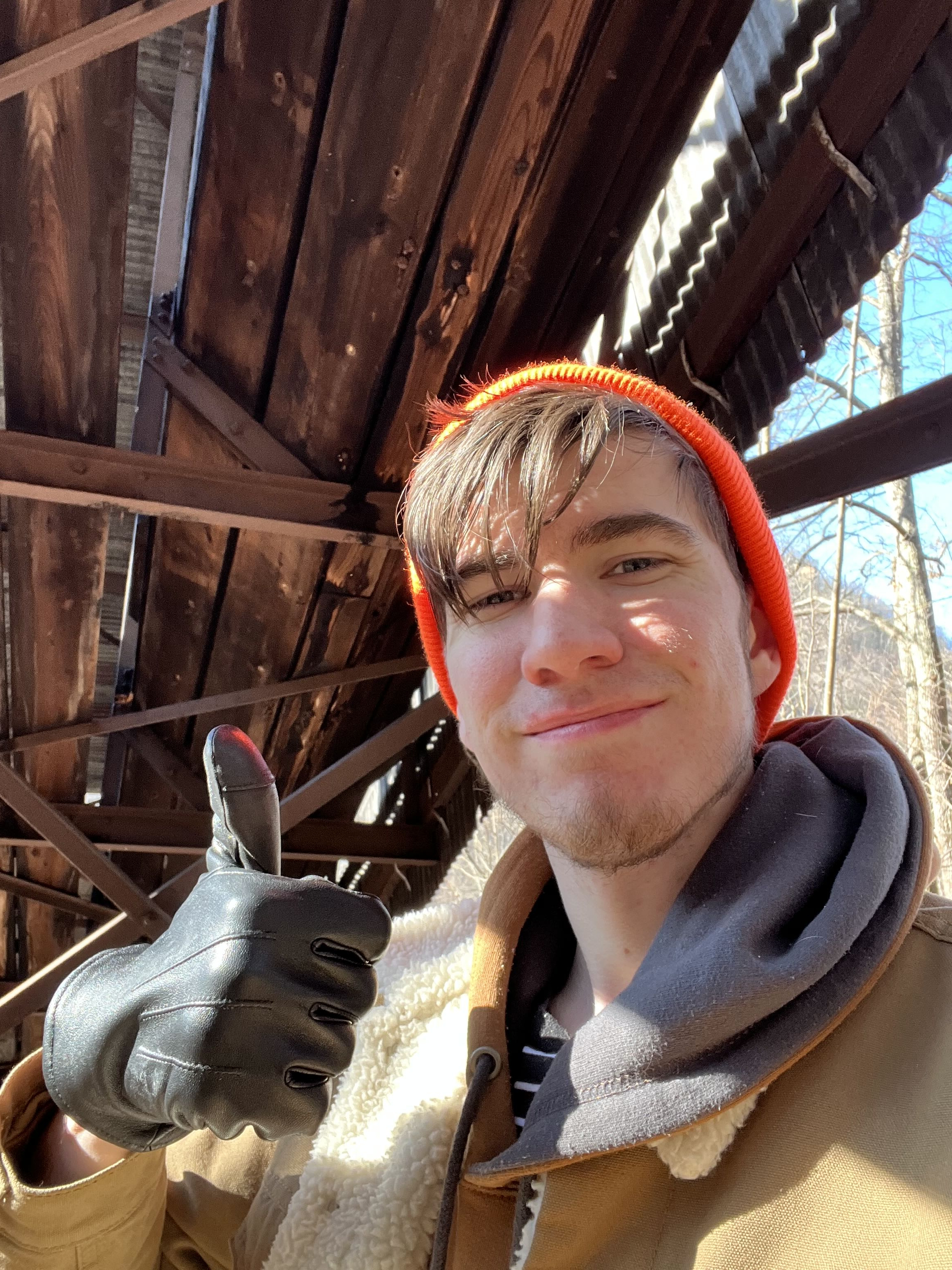
Matthew Blendermann is a passionate advocate for the ocean and its preservation, blending his love for the sea with a professional focus in aquaculture. As a graduate of the University of New England with a Bachelor of Science in Aquaculture and Aquarium Science, he has dedicated his career to both traditional commercial fisheries and the evolving field of aquaculture. Growing up with a fascination for the sea, he has participated in national competitions, pursued advanced diving certifications, and is now channeling his enthusiasm into creative writing and novel projects. This interview delves into Blendermann's experiences, challenges, and aspirations, providing insights into a career dedicated to making a positive impact on our oceanic environment.
Background and Early Influences
What inspired you to pursue a career in aquaculture?
My inspiration came from a deep-seated love for the ocean and the desire to protect and work with it for the benefit of everyone. The sea has always been a source of fascination for me, and with my family's support, I dedicated much of my life to this field. Participating in the National Ocean Science Bowl in high school further fueled my passion, and it was my mentor, Matthew Smith, in the vocational agriculture wing of my high school, who significantly impacted my pursuit of a dream career in aquaculture by providing opportunities and encouragement .
Can you tell us about your educational journey?
I attended the University of New England, where I earned my Bachelor of Science in Aquaculture and Aquarium Science. It was a relatively new field of study at the time, available at only a few universities across the U.S., which made it an exciting and pioneering opportunity. This educational path was not just about academics but about positioning myself in a field that was closely aligned with my passion for ocean conservation.
Professional Insights and Challenges
Describe a typical day in your life and how you maintain productivity.
Typically, I start my day at 5:30 AM with a quick breakfast before preparing for work. Since I usually work part-time in the mornings, I'm home by noon. The rest of the day is dedicated to personal projects that hold significant meaning to me, such as working on my novel. This routine allows me to remain productive by ensuring that I'm consistently making progress on both my professional responsibilities and personal interests.
What was the most challenging decision you've recently faced, and what was the outcome?
The toughest decision recently was navigating the dynamics of a potential romantic relationship. It was challenging but ultimately rewarding as it led to the establishment of healthy boundaries and open communication. This experience taught me a lot about personal relationships and the importance of clear, respectful communication.
Personal Growth and Skills
How did you develop your writing skills?
Writing is a skill I largely taught myself through extensive reading and analyzing others’ works. I made mental notes on cadence, prose, and word choice, which I then experimented with in my own writing. I spend my free time crafting short stories and refining my writing style, always striving to improve and create pieces that resonate with readers.
Who has had the greatest impact on your career?
Matthew Smith, my high school mentor, was instrumental in shaping my career path. He offered opportunities for growth and always encouraged me to push my limits. His guidance played a crucial role in my decision to pursue aquaculture as a career, and his support has been invaluable in my professional journey.
Inspirations and Recommendations
What is one book you believe everyone should read, and why?
I highly recommend "The Dragon Behind the Glass" by Emily Voigt. It's a fascinating narrative that explores a journalist's journey into the world of rare aquarium fish. The book takes readers across the globe, from luxurious fish shows in Japan to the jungles of Borneo. It's a captivating read that I've enjoyed multiple times, offering both adventure and insight into a unique aspect of marine life.
What do you believe are the key factors to your success?
I attribute my success to a combination of positivity, drive, and a genuine willingness to help others. These traits allow me to maintain a positive atmosphere and ensure that tasks are completed efficiently, which in turn contributes to a productive and enjoyable work environment.
Matthew Blendermann and his journey in aquaculture and his commitment to personal development reflect a dedication to both personal growth and professional excellence. His story serves as an inspiration to those looking to combine their passions with their career paths.
Expertise and Achievements
How do you stay informed about industry trends and emerging technologies in aquaculture?
Keeping up with industry trends is crucial in aquaculture, which is continuously evolving. Though I don't have a specific method, I engage with various resources such as industry publications, forums, and occasionally attending relevant seminars or workshops. This helps me stay attuned to the latest advancements and innovations.
What is a significant challenge you have faced in your career, and how did you overcome it?
One of the most significant challenges was learning to manage my time effectively during my college years. Initially, I struggled with maintaining a disciplined schedule, which affected my academic performance. However, experiencing this setback motivated me to develop a regimen that prioritized my studies and personal growth. Through trial and error, I was able to hone my time management skills and focus on improving my abilities rather than relying solely on innate talent.
Can you share a professional achievement that you're particularly proud of?
Although I've achieved several personal milestones, such as becoming an Enriched Air Divemaster, my proudest professional achievement is more about the impact I've had rather than a single event. The satisfaction I gain from contributing positively to the aquaculture field and the environment is a continual source of pride. Being able to combine my passion for the ocean with my career goals is a significant achievement for me.
Vision for the Future
What is your vision for the future of aquaculture, and how do you see your role in it?
I envision a future where aquaculture plays a vital role in sustainable food production and environmental conservation. My role is to advocate for responsible practices and innovation within the industry. By focusing on sustainability, I aim to contribute to solutions that address global food security while minimizing ecological footprints. This vision also includes raising awareness and educating others on the importance of preserving marine ecosystems.
What projects or goals are you currently working towards?
Currently, I'm dedicated to finishing my first novel, which draws on themes related to the sea and personal exploration. Professionally, I'm seeking opportunities that align with my passion for aquaculture and environmental sustainability. I aim to involve myself in projects that not only advance my career but also contribute to the greater good of our planet.
How do you plan to impact the aquaculture industry in the long term?
In the long term, I hope to influence the industry by promoting ethical practices and encouraging innovation. My goal is to be part of a generation that transforms aquaculture into a more sustainable and widely accepted method of production. I also aim to leverage my skills in communication and writing to disseminate knowledge and inspire future generations to take action in preserving our oceans.
Matthew Blendermann is committed to aquaculture and personal development highlighting his dedication to fostering a sustainable future for our oceans. His approach to merging professional commitments with personal projects is a testament to his holistic vision for balance and impact. As Blendermann continues to navigate his career, his insights and stories will undoubtedly resonate with many in the field and beyond.