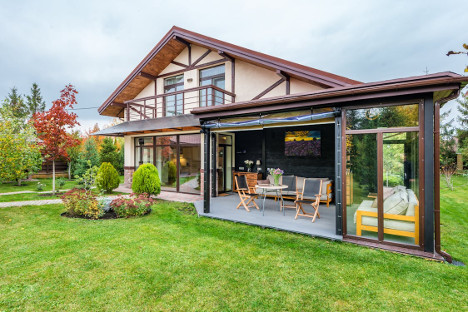
Outdoor renovations are more popular than ever. Homeowners want their backyards, patios, and front entrances to feel like functional extensions of their indoor space. With the right upgrades, these areas can become places to relax, entertain, or even work.
However, starting an outdoor project without the right plan often leads to wasted time and money. A lot can go wrong—poor drainage, bad material choices, or simply not thinking ahead. These mistakes don’t just affect appearance. They can cause damage, increase costs, and take away from the comfort you’re trying to build.
Whether you're thinking about adding a deck, replacing a patio, or upgrading the entryway, it's smart to know where most projects go off track. Being aware of the most common mistakes makes it easier to avoid setbacks and build something that actually works for your lifestyle.
Starting Without a Clear Plan
One of the biggest mistakes people make is jumping into a renovation with no clear goal. It’s easy to get caught up in design ideas from social media or home improvement shows. But if you don’t take the time to figure out how the space will be used, things can go off course quickly.
Start with purpose. Will you use the area for small gatherings? Do you need space for outdoor cooking? Is privacy a priority? Your answers should drive the design. A project that looks great but doesn’t fit your habits will feel like a missed opportunity.
This is also where structural decisions come into play. Some homeowners lean toward open-air concepts. Others want shade and coverage from the weather. Choosing the right type of space is more than just an aesthetic decision—it’s about function.
A good example of this is the difference between a porch vs patio. While both are popular, they serve different needs. A porch often provides more cover and a sense of separation from the yard. It works well for those who want a cozy, sheltered area. A patio, on the other hand, usually offers more flexibility in layout and suits those who want a more open space. Choosing one over the other without thinking through how you’ll use it can result in the wrong kind of setup.
The best approach is to start with a layout that reflects how you live. That gives every other choice—materials, lighting, drainage—a stronger foundation.
Ignoring Local Codes and Permits
Skipping permits is a fast way to get into trouble. Many people think that small upgrades or simple builds don’t need approval. But even something as basic as a deck extension or a new walkway might require a permit.
Each city or town has its own rules. What’s allowed in one neighborhood might be restricted in another. Some areas limit how close you can build to a property line. Others need special approval for changes that affect drainage or wiring.
Without the right permits, you risk fines, delays, or even having to tear down the work later. Always check with your local building office before starting any project. It’s better to deal with the paperwork early than face bigger problems down the road.
Poor Drainage Planning
Drainage is one of those things that doesn't get much attention—until it becomes a problem. Water pooling under your deck, patio, or near your home's foundation can lead to rot, cracks, and mold. These issues don’t show up right away but can cause lasting damage over time.
The most common mistake? Ignoring how water moves across your yard. Some homeowners assume that because the surface looks flat, it won’t matter. But even slight slopes can affect water flow.
When installing a patio or hardscape area, always think about grading. A slight slope away from your house helps push water out instead of letting it gather where it shouldn't. If you're working with contractors, bring up drainage early. That way, they can build in proper slopes and recommend materials that drain well.
Also, consider adding gravel or other porous layers beneath hard surfaces. These materials can reduce water buildup and give the area a cleaner, more finished look.
Choosing the Wrong Materials
Materials can make or break an outdoor renovation. What works well in one region might fall apart in another. For example, untreated wood can warp or crack in humid climates. On the other hand, darker stone surfaces can get extremely hot in areas with strong sun exposure.
Think about how the material will hold up in your environment. If you live in an area with heavy rain or snowfall, you’ll want something durable and slip-resistant. If you’re dealing with a lot of sun, avoid finishes that fade quickly.
Wood, concrete, composite, and stone each come with their own pros and cons. Composite decking offers a clean look with less upkeep than real wood. Concrete is flexible for design, but it can crack without proper preparation. Natural stone looks great, but may cost more and require sealing.
Also, think about upkeep. If you're not ready to commit to annual treatments or cleaning, choose low-maintenance options. Good materials don’t just last longer—they help you spend more time enjoying your space and less time fixing it.
Overspending on the Wrong Features
It’s easy to get excited about outdoor kitchens, fire pits, or high-end furniture. However, focusing too much on luxury upgrades can leave basic needs unmet. Some people spend big on stylish extras but forget about shade, walkways, or access to power.
Start with features that support comfort and function. That might mean adding outlets, lighting, or even a simple storage box. Once those are covered, you can build on that with extra features over time.
Also, think long-term. If you plan to add a hot tub or pergola in the future, leave space for it now. That helps avoid tearing up finished work later.
Forgetting About Lighting and Safety
Lighting adds more than style—it keeps your space safe. Without it, steps become trip hazards, and paths disappear after dark. A lot of people wait until the end of a project to think about lighting, which often leads to missed opportunities.
Start with task lighting. Add lights along steps, near cooking areas, and around entryways. Then, think about ambient light—string lights, solar fixtures, or wall sconces can add warmth without a big price tag.
Motion sensors and timers also help save energy and add convenience. With smart lighting systems, you can control everything from your phone, making your outdoor space usable day and night.
Renovating an outdoor space comes with plenty of choices—but also a fair share of risk. From drainage to material selection, every decision matters. Taking the time to plan properly, check local rules, and think through daily use helps turn your vision into something that lasts. A few smart steps early on can save a lot of stress down the road.