What makes a great pair of pants? Is it function, fit, fashion—or maybe a little soul? In Japan, pants aren’t just clothes. They reflect centuries of culture, rebellion, and day-to-day life. And while the rest of the world was obsessing over skinny jeans, Japan took a left turn, dove into the past, and returned with some of the coolest, most expressive silhouettes around.
From ancient temple garments to streetwear showstoppers, here are five iconic Japanese pants styles that offer tradition, attitude, and more personality than your average pair of chinos. Whether you’re a strolling tourist, a martial arts enthusiast, or a style rebel, you might just meet your next favorite pair of pants here.
1. Hakama — The Aristocratic Classic with Samurai Soul
If you ever find yourself watching a traditional tea ceremony or an Aikido demonstration, pay attention to the lower half of the outfit. Those wide-pleated, skirt-like pants? That’s the hakama. Worn by noblemen, samurai, and martial artists since the Edo period, they’re among the most historically symbolic garments in Japanese clothing.
Funny enough, I once wore a hakama at my friend’s wedding in Kyoto. I thought I looked like a samurai—until I realized I had tied it backwards. Who knew there's a front and back? A kind older gentleman helped correct it with a smile and said, “Now you’re half ready for battle and half ready for sake.” Point taken.
Hakama are elegance in motion—one of the most iconic styles of traditional Japanese pants. With seven pleats (each representing a Bushido virtue like loyalty or compassion), they flow like water as you walk—and trust me, you feel ten times cooler wearing them.
Modern designers have reimagined hakama into practical daily garments, too. Crisp fabrics, cropped versions, and adjustable waists mean you don’t need a dojo or a kimono to wear them anymore. Just tuck in a clean shirt, throw on some minimalist shoes, and off you go—samurai swagger included.
2. Jinbei Pants — Summer’s Secret Weapon
Picture a slow, golden summer evening in Japan. Cicadas singing in the distance, paper lanterns glowing during a festival, and kids running around in yukata and jinbei. That’s the exact vibe jinbei pants bring to your wardrobe—breezy, comfortable, effortlessly chill.
Originally made as summer loungewear for men, these cropped lightweight pants are often paired with a matching short-sleeved top. But here's a secret: you don’t need fireworks or a shaved ice stand to rock them.
A few summers ago in Osaka, I rented a bike and rolled around Dotonbori in a pair of navy cotton jinbei I’d grabbed from a local market. A group of old women sitting outside a cafe waved and laughed. “Cool jinbei, young man!” they said. For a guy wearing pajamas in public, I felt oddly proud.
Now, brands like Uniqlo and Visvim have modernized jinbei-style pants using finer cottons and even linen blends, perfect for everything from beach strolls to weekend errands. Conventional shorts, step aside. Jinbei pants are the breezy upgrade you didn’t know you needed.
3. Tobi Pants — Construction-site Couture
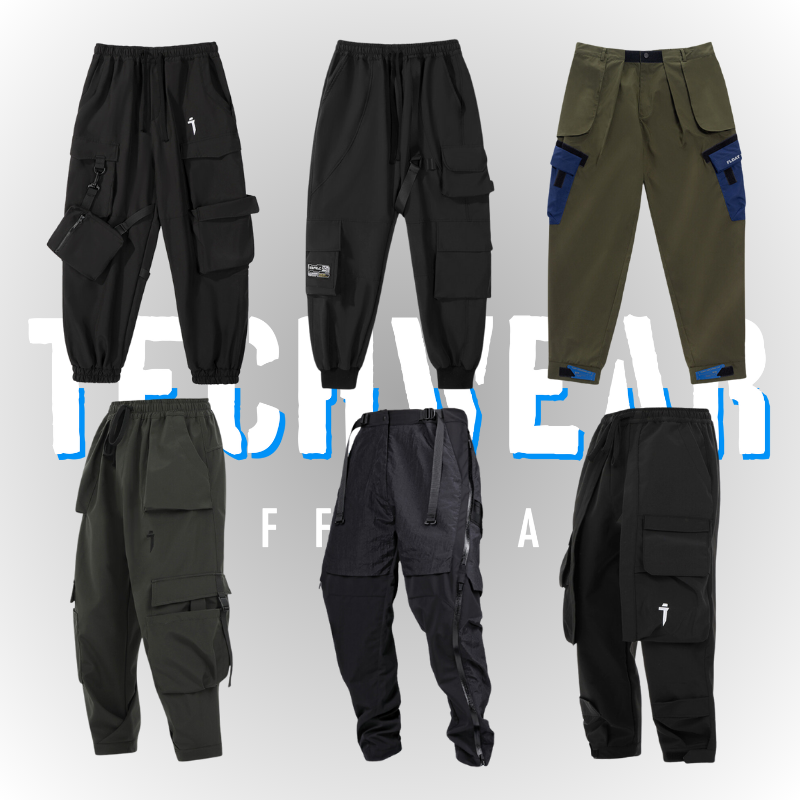
Imagine workwear so bold it refuses to be ignored: ballooning legs that gather tightly at the calves, designed for function and balance, but with an attitude that says, “Yeah, I lift scaffolding—and also, I look amazing doing it.” Welcome to the world of tobi pants.
Originally created for steeplejacks and construction workers (especially those who balanced like acrobats on narrow beams), tobi pants aren’t just practical—they’re poetry in motion. The extra volume helps with airflow and prevents the fabric from catching on sharp edges. But somewhere along the way, these pants gained a cult following.
The first time I saw someone wearing tobi pants near Shibuya Crossing, I was mesmerized. Paired with chunky boots and a graphic tee, it wasn’t just workwear—it was artwork. Later, I learned that some subcultures—especially Japanese bōsōzoku biker gangs—embraced the exaggerated style as a sign of rebellion and pride.
Today, tobi pants have stormed runways and streetwear blogs. Fashion brands remix them with denim, camo patterns, and toggled ankles. Wear them if you dare—and don’t forget to balance confidence with comfort.
4. Samue — A Mindful Escape from Fast Fashion
If you asked a Zen Buddhist what pants to wear for chopping wood and carrying water, the answer would almost certainly be: samue.
Worn by temple monks doing manual labor, samue pants are humble, relaxed, and designed for quiet diligence. Often made in calming shades of indigo, gray, or brown, they’re a capsule of Japanese slow living in wearable form.
After a stressful year of fast-paced fashion and “must-have” drops, a friend gifted me a cotton samue set for my birthday. I wore it one rainy morning while making tea... and then again for walking the dog... and again while writing emails. It was like slipping on a sigh of relief.
Samue pants are a favorite of wellness enthusiasts, artists, and folks wanting to slow down. You’ll find them worn at ryokan inns, traditional gardens, or art studios. The relaxed silhouette pairs beautifully with sandals or indoor slippers, reminding you that fashion can feed the soul—as well as the eyes.
5. Wide-Leg Japanese Streetwear Pants — Fashion with Freedom
If Tokyo fashion has a mantra, it might be: “Wear what you want, as big as you want.” Oversized pants are having a moment in Japanese streetwear—and it shows no sign of shrinking.
Inspired by traditional garments like hakama and tobi, brands like Yohji Yamamoto, Kapital, and Needles have embraced the wide-leg silhouette and pushed it to new frontiers. Some pants billow like sails, drape like curtains, and make every sidewalk a runway.
I remember visiting a back-alley shop in Harajuku where the designer showed me pants with a 40-inch leg opening and said, “Volume is freedom.” He meant it figuratively and literally—wide-leg pants offer unrestricted movement, while also rebelling against body-tight norms.
If you haven’t experienced walking through a breeze in huge, flowing pants… well, you’re missing out. Whether paired with high-top sneakers or tucked tees, they bring artistry into your everyday.
Final Thoughts: From Cloth to Culture
Japanese pants aren’t just items on a hanger; they’re stories stitched into fabric. Hakama carry samurai dignity. Jinbei whisper childhood summer memories. Tobi shout working-class pride. Samue offer peace in simplicity. And Japanese streetwear pants? They’re runway poetry made real for the people.
What I love most is how these styles transcend time and trend. They aren’t worn because they’re “in”—they’re worn because they feel right. Because they reflect something essential, whether that’s rebellion, tranquility, or celebration.
So why not step into something different—something Japanese? Don’t be surprised if your pants start getting more compliments than your jacket. Great stories start from the ground up, after all. Go wide, go traditional, go comfy. Just don’t go boring.