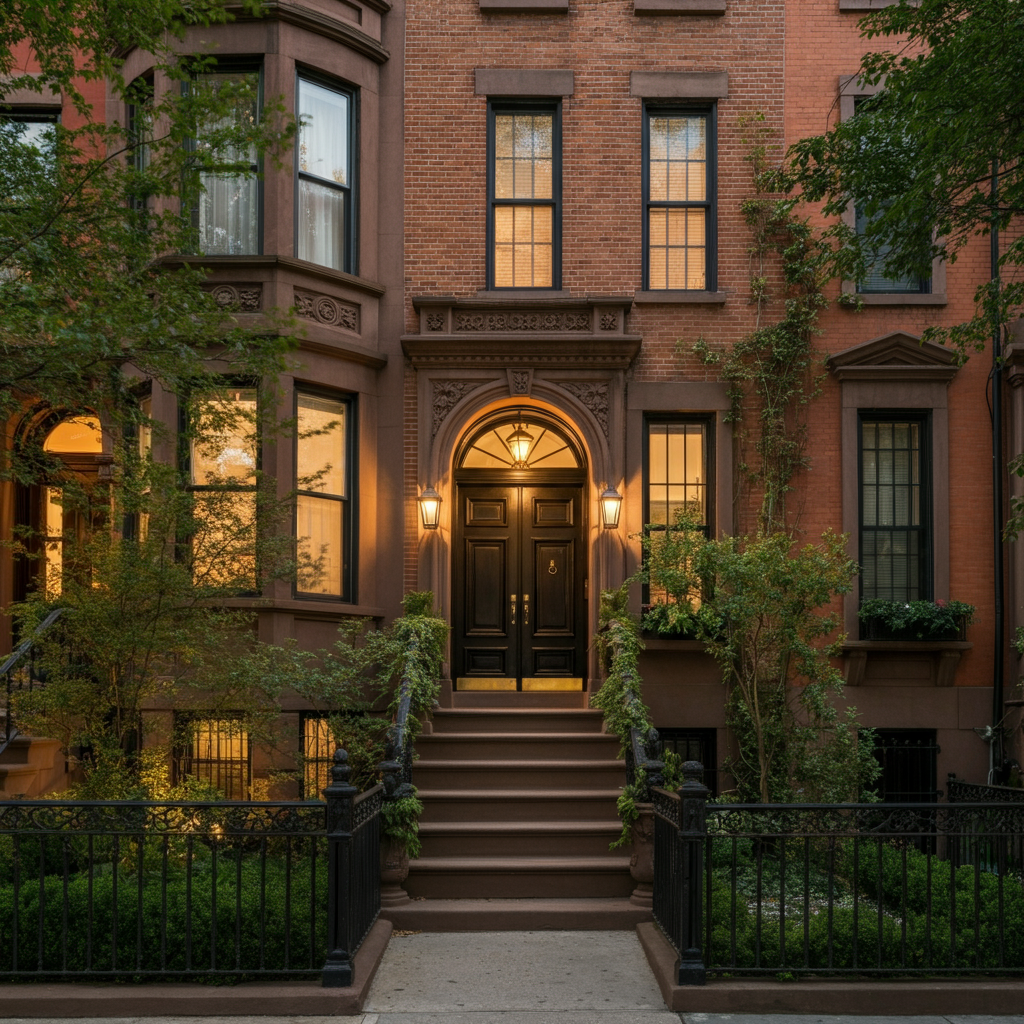
Manhattan's historic brownstones represent some of the city's most coveted real estate, with their distinctive facades and rich architectural heritage dating back to the 19th century. These four- to five-story gems line the tree-shaded streets of neighborhoods like the Upper West Side, Greenwich Village, and Harlem, offering a unique blend of old-world charm and modern luxury potential.
However, purchasing a brownstone is just the beginning of your investment journey. The true financial commitment reveals itself during renovation, where costs can quickly spiral beyond initial estimates. Understanding these expenses upfront is crucial for anyone considering a brownstone renovation in Manhattan, as the difference between a successful project and a financial nightmare often lies in thorough preparation and realistic budgeting.
From structural surprises hidden behind century-old walls to navigating New York City's complex permitting process, brownstone renovations present unique challenges that can significantly impact your bottom line. This guide explores the often-overlooked expenses that can transform a dream renovation into a costly lesson in urban real estate reality.
Manhattan brownstones, many built between 1840 and 1900, frequently harbor structural problems that aren't apparent during initial inspections. Foundation settling, deteriorated floor joists, and compromised load-bearing walls are common discoveries that can add $50,000 to $200,000 to your renovation budget.
Water damage from decades of harsh New York winters often weakens wooden structural elements. Many brownstones require sistering of floor joists or complete structural reinforcement, particularly in buildings where previous renovations removed walls without proper engineering consultation.
Upgrading electrical systems in older brownstones typically costs between $25,000 and $60,000, depending on the building's size and current condition. Many properties still have knob-and-tube wiring or inadequate electrical panels that require complete replacement to meet modern safety codes.
Plumbing renovations present their own challenges, with costs ranging from $30,000 to $80,000 for a full building upgrade. Original cast iron pipes often need replacement, and installing modern plumbing in buildings with thick masonry walls requires specialized techniques that increase labor costs significantly.
The permit process for brownstone renovation in Manhattan involves multiple city agencies and can take anywhere from three to eighteen months. Building permits alone can cost $10,000 to $50,000, while specialized permits for landmark buildings or major structural work can reach six figures.
Working in historic districts adds another layer of complexity and expense. The Landmarks Preservation Commission requires detailed applications and often mandates specific materials and techniques that cost significantly more than standard alternatives.
Successful brownstone renovations require a team of specialized professionals. Structural engineers charge $5,000 to $15,000 for comprehensive assessments, while architects familiar with historic properties command premium rates of $150 to $300 per hour.
Expediting services, while not legally required, often prove essential for keeping projects on schedule. These services typically cost $5,000 to $20,000 but can save months of delays in the approval process.
Maintaining the architectural integrity of Manhattan brownstones often requires sourcing period-appropriate materials that cost significantly more than modern alternatives. Reclaimed wood, handmade bricks, and custom millwork can easily double material costs compared to standard renovation projects.
Limestone and brownstone restoration requires specialized masons who charge premium rates for their expertise. These craftsmen often book months in advance, and delays in securing their services can impact your entire project timeline.
Construction labor in Manhattan commands some of the highest rates in the country. Skilled tradespeople familiar with historic buildings charge 20-40% more than their counterparts working on new construction projects.
Union requirements for many Manhattan projects add another cost layer. While union workers often deliver higher quality results, their rates and work rules can significantly impact both budget and timeline.
Installing modern heating, ventilation, and air conditioning systems in century-old buildings presents unique challenges. Many brownstones lack adequate space for ductwork, requiring creative solutions like mini-split systems or radiant heating that cost $40,000 to $100,000 for a full building.
Asbestos abatement, commonly required when upgrading HVAC systems, adds $10,000 to $30,000 to most projects. This work requires certified professionals and can significantly delay construction timelines.
Modern buyers expect high-speed internet, smart home capabilities, and comprehensive security systems. Installing these technologies in buildings with thick masonry walls and narrow layouts requires specialized planning and execution, often costing $15,000 to $40,000.
Elevator installation or modernization, while not required, significantly increases property value but represents a major expense ranging from $150,000 to $300,000 for a complete system.
Manhattan construction projects typically take 25-50% longer than initially projected. These delays translate directly into increased carrying costs, including mortgage payments, property taxes, and insurance on both your current residence and the renovation property.
Weather delays, permit hold-ups, and material delivery challenges in Manhattan's dense urban environment frequently extend project timelines. Each month of delay can cost $5,000 to $15,000 in carrying costs alone.
Brownstone renovations often span 12-24 months, during which material and labor costs can fluctuate significantly. Steel, lumber, and specialty materials have shown particular volatility, sometimes increasing project costs by 10-20% mid-construction.
Experienced developers recommend setting aside 30-40% of your initial renovation budget for unexpected costs and overruns. This higher-than-typical contingency reflects the unique challenges of working with historic Manhattan properties.
Creating detailed phase-by-phase budgets helps identify potential cost overruns early in the process, allowing for better decision-making throughout the project.
Investing in experienced professionals familiar with Manhattan brownstone renovation can actually save money long-term. While their rates may be higher initially, their expertise in navigating common pitfalls often prevents costly mistakes and delays.
Building strong relationships with reliable contractors, architects, and expeditors creates a support network that can help future projects run more smoothly and cost-effectively.
Brownstone renovation in Manhattan represents one of real estate's most challenging yet rewarding endeavors. Success requires honest assessment of both the visible opportunities and hidden costs that define these projects.
The key to managing renovation costs lies in thorough due diligence, realistic budgeting, and assembling a team of professionals who understand the unique demands of historic Manhattan properties. While the financial commitment extends well beyond the initial purchase price, proper planning can help ensure your brownstone renovation enhances both your lifestyle and your investment portfolio.
Before beginning your brownstone journey, consider consulting with renovation specialists who can provide detailed cost estimates based on your specific property and vision. Their expertise can help transform what might seem like an overwhelming financial commitment into a manageable and ultimately rewarding investment in one of Manhattan's most treasured architectural legacies.
Contact Info:
Name: Jsm Custom Remodels
Address: 205 Hudson St #730 New York, NY 10013
Phone: +13473055961
Email: [email protected]
Website: https://jsmcustomremodels.com/