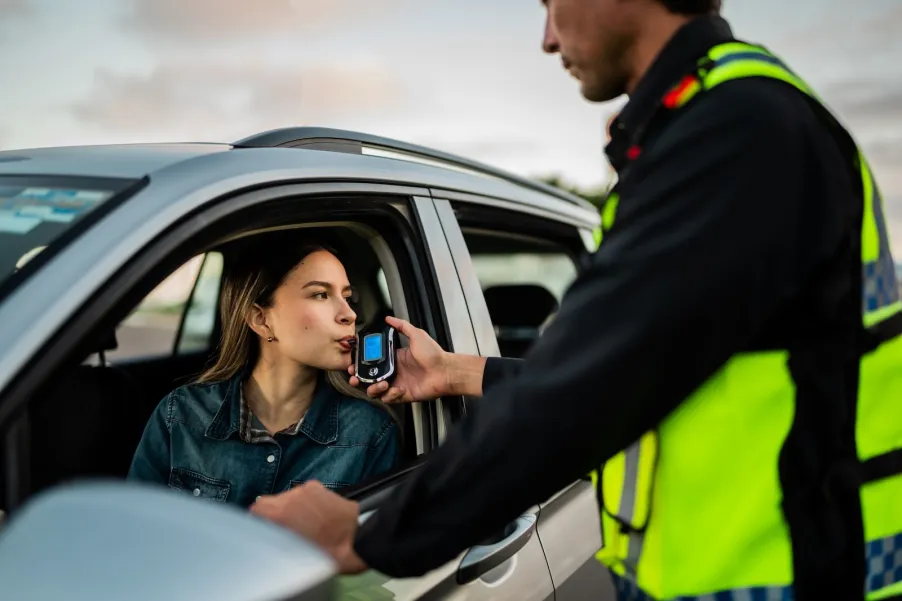
Picture this: you're walking to your car after a late dinner. Suddenly, a police officer stops you, asks a few questions, and then requests a breath test. You believe you haven't consumed any alcohol. Surprisingly, the device shows a result, and it's not zero. This situation occurs more often than you might expect.
It's not just alcohol from drinks that breath test machines react to. A myriad of factors, including health conditions, foods, medications, and even environmental elements, can interfere with results and produce false positives. This quick roadside test, called a PBT test, can sometimes mislead officers and surprise innocent drivers.
Understanding the unexpected reasons breath tests can fail is crucial. It's important to know that even when no alcohol enters your system, these factors can still affect the test results.
Mouthwash and Breath Fresheners
Several mouthwashes and breath sprays contain alcohol-based ingredients. These products leave trace alcohol in the mouth that machines detect immediately. When tested soon after use, the device reads alcohol levels from your breath, not your bloodstream. Even alcohol-free labels sometimes contain compounds that confuse sensors. The result: a false reading that suggests you've consumed alcohol when you haven't.
To avoid this, it's recommended to wait at least 15 to 20 minutes after using such products before taking a breath test. Some law enforcement agencies advise rinsing your mouth with water and informing the officer about any recent mouthwash use to prevent misinterpretation.
Certain Medical Conditions
Some health issues interfere with breath readings. People with acid reflux or GERD push stomach contents into the mouth or throat, including substances that mimic ethanol. These substances cause misleading results when released during exhalation. People with diabetes face a similar issue. In cases of low insulin, their bodies produce ketones, chemicals that breath test sensors confuse with alcohol.
Asthma medications also affect results as inhalers use alcohol as a propellant. When patients use them shortly before testing, the leftover particles linger in the breath, raising test readings.
Specific Foods and Diets
High-protein, low-carb diets cause the body to enter ketosis, producing acetone in the breath. Machines sometimes misread acetone as ethanol, and the same applies to fermented foods. Sauerkraut, soy sauce, ripe fruits, and certain breads release trace alcohol during digestion or chewing. Eating these foods shortly before testing increases the chance of a false positive.
Even vinegar-based dressings or ripe bananas leave chemical traces that confuse sensors, especially if consumed moments before a test.
Machine Calibration and Human Error
Officers rely on breath test machines for roadside decisions. These devices need regular maintenance and precise calibration. If the machine falls out of calibration or malfunctions, it generates inaccurate results. Law enforcement agencies must test and certify devices regularly, but lapses happen.
Operator error also plays a role. A misstep in test procedure, such as not waiting long enough after eating or smoking, affects accuracy. Some officers test too quickly after a person burps or uses an inhaler, both actions raise alcohol-like compounds into the mouth.
Environmental Factors
Industrial chemicals, paints, cleaning supplies, or gasoline fumes contain volatile organic compounds. These substances sometimes linger on clothing, hands, or inside vehicles. When inhaled or present in the testing area, they affect sensor readings.
Work environments like garages, factories, or labs increase exposure. Someone leaving such a space and driving home might face a false positive result during a roadside stop.
In conclusion, you don't need to drink alcohol to fail a breath test. Every day, habits, health conditions, and technical errors create misleading results. Knowing what triggers false readings protects you from confusion and helps explain a surprising outcome. Breath tests provide quick answers, but not always accurate ones. You and your loved ones need to have this information to avoid false accusations of driving under the influence from the authorities.