Nevada is one of the most gun-friendly states in the U.S., but even here, not everyone is allowed to own a gun. And the laws around that aren’t as loose as some might assume.
In fact, Nevada gun laws are stricter than many people realize when it comes to who can legally possess a firearm. So, if you're living in Nevada or just curious about how the state decides who can and can’t own guns, you’re in the right place.
Let’s get something straight right off the bat: just because you live in Nevada, where open carry is allowed without a permit and you don’t need to register your firearm, that doesn’t mean everyone gets to own one.
Nevada has a specific list of people who are legally forbidden from owning or possessing a gun under NRS § 202.360, and it’s not a short list.
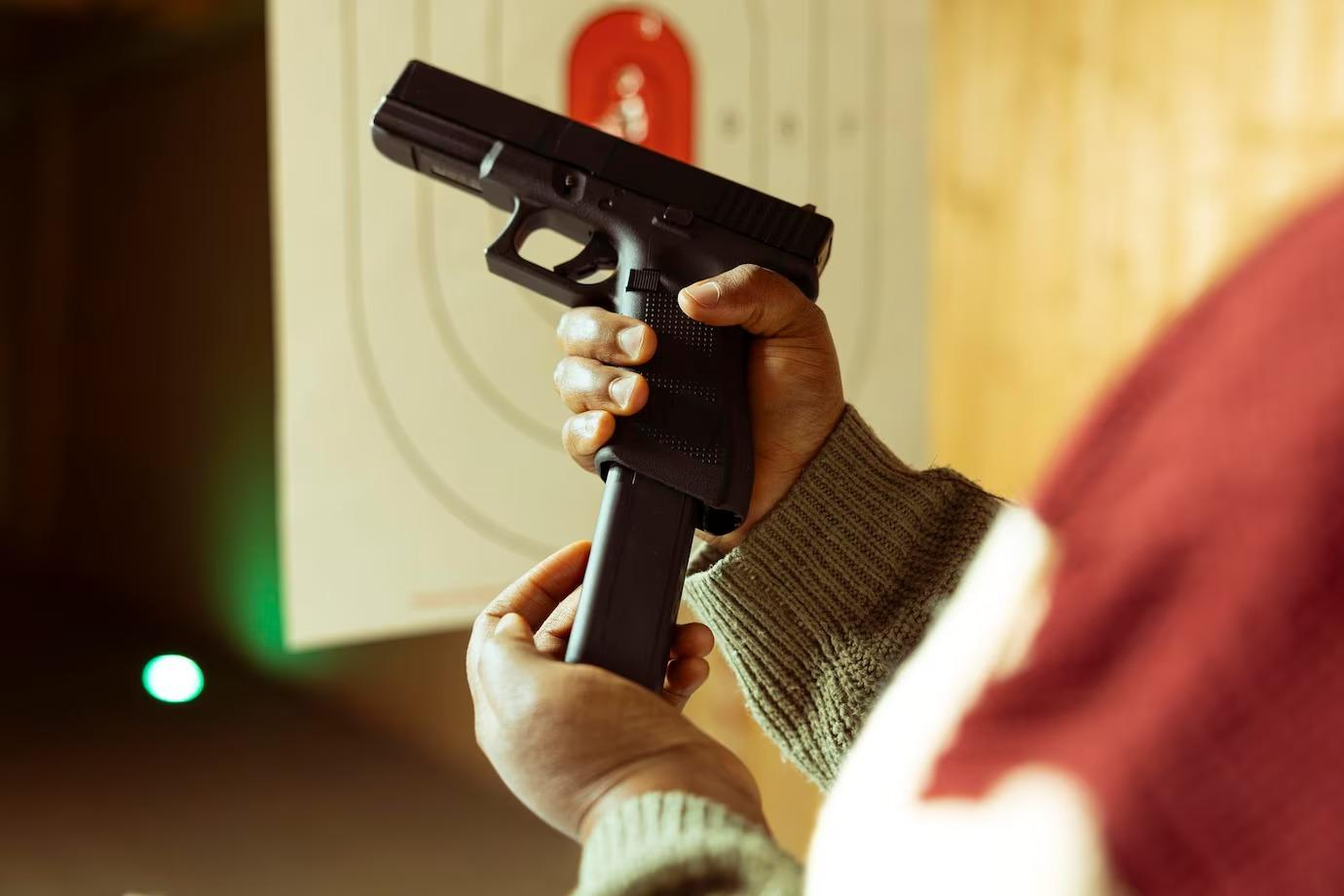
Let’s go through the kinds of people Nevada law says cannot have firearms. And when the law says "firearm," it means pretty much any gun. Whether it’s a pistol, revolver, shotgun, rifle, or even something that isn’t working or loaded, it still counts.
All of these are automatic disqualifiers. If you fall into one of these categories and are caught with a gun, it doesn't matter if it was in your car, in your house, or even if you never used it. Just having it is enough to get charged.
Actually, yes, but they’re narrow. If you’re employed in mining, agriculture, or construction, you may be allowed to possess firearms or explosives while doing your job, even if you’re otherwise banned. But outside of that job? You’re still legally prohibited.
Another exception applies at the federal level. If your felony conviction was expunged, set aside, or pardoned, and you’ve had your civil rights restored by the state (like the right to vote, serve on a jury, and run for office), then the federal ban might not apply.
However, if the state still doesn’t allow you to own a gun, federal law will honor that restriction. It’s like a domino effect; state law determines the limit, and federal law follows suit.
The penalties depend on why you were prohibited in the first place. Most cases are charged as Category B felonies, which can mean 1 to 6 years in state prison and possibly a $5,000 fine. But if your disqualifier is a mental health ruling or your immigration status, it becomes a Category D felony, with a slightly shorter max sentence of 1 to 4 years.
Also, here's something people don’t always realize: if you have more than one gun, you might face multiple charges. That’s one charge per gun. So, five guns mean five felony charges.
And if your case is bumped up to the federal level, the stakes are even higher. The federal punishment for a felon caught with a gun is up to 10 years in prison, and if you’ve already got three felony convictions, it jumps to a minimum of 15 years with no chance for parole.
In Nevada, getting your gun rights restored isn’t easy. A conviction for possessing a firearm when you weren’t supposed to basically kills your chance at a Governor’s Pardon, which is the main way to get your rights back. Once you’ve got that conviction on your record, the path back becomes almost impossible.
Even if you’re not convicted, just being charged can come with consequences. For example, if you're subject to a restraining order, you’re required to surrender your guns immediately.
Violating that isn’t a felony, but it still counts as a gross misdemeanor, which can bring up to 364 days in jail and $2,000 in fines.