Accessible SEO practices make the web friendlier for neurodiverse and visually impaired users. As companies recognise these needs, new strategies are emerging that improve search performance while helping more people navigate digital spaces.
Imagine meeting someone who uses a screen reader every day. Or think of a student with ADHD seeking information presented in a clear and accessible way. Traditional SEO often misses these real-life experiences. The latest search optimization methods blend marketing techniques with empathy, putting people first and supporting all users—regardless of ability—in finding their desired content.
Companies used to focus only on keywords and rankings. Now, the best SEO firms look at the bigger picture—how people use the web and what barriers they face. Actions speak louder than slogans. Top SEO agencies work with web developers and accessibility experts, checking every step of the user journey.
Key methods include:
Small tweaks here pay off twice: sites become easier to use and often load faster and rank better in search results.
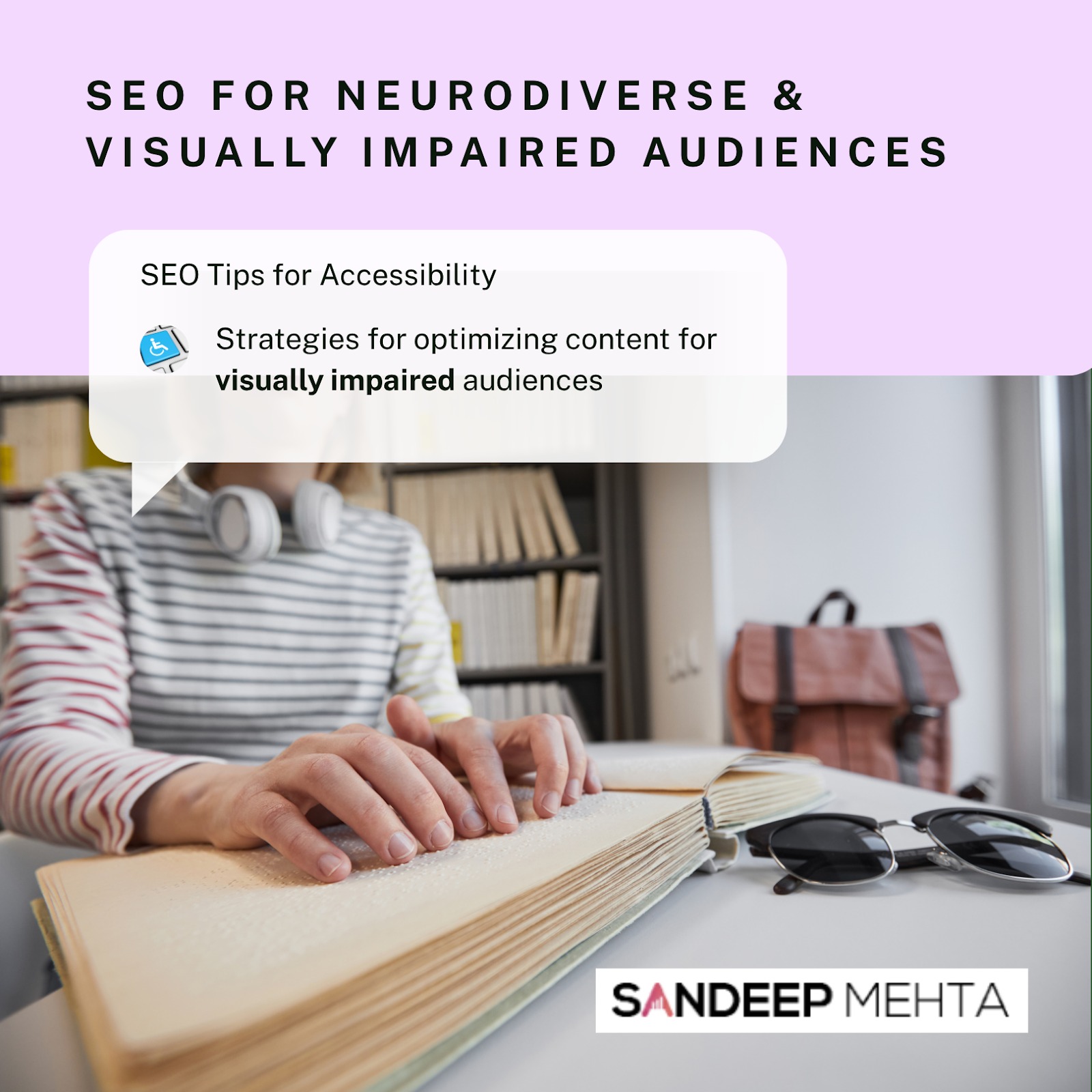
Screen readers convert blocks of code into spoken words or Braille output. Webpages that forget about this audience can be confusing or impossible to use. For example, if a form doesn’t have labeled fields, someone with vision loss may not know where to type. Ignoring these basics blocks millions of users—and hits site rankings, too.
Improvements that help:
Today, more search engines include accessibility in their algorithms. When crawling a site, Google’s bots spot missing labels, structural weaknesses, or hidden navigation obstacles that impact both users and search performance.
Neurodiversity describes the range of different ways people think, process information, and interact with technology. For individuals with ADHD, autism, or dyslexia, overly busy layouts and large text walls often cause frustration and overwhelm. SEO experts now redesign pages for clarity and order—not just for “average” readers.
Content strategies for neurodiverse-friendly experiences:
Adopting these conventions helps sites improve accessibility while also achieving reduced bounce rates, increased session lengths, and more positive user responses.
Accessibility isn’t an afterthought anymore. Search engines explicitly confirm that usability and accessibility influence rankings. Factors like mobile optimization, clear page layout, and meaningful alt text signal relevance and inclusiveness to Google.
SEO strategies now include:
As Google continually improves its search signals, sites with strong accessibility practices gain a competitive edge. They rise not just for their main keywords, but because they serve everyone.
About two-thirds of the way through this transition, companies look for seasoned partners. Here, some firms, such as Sandeep Mehta SEO, step up with tailored plans for local businesses, guiding them toward digital inclusion in day-to-day web strategy. By using clear content, proper tagging, and organized structure, they assist businesses in achieving both accessibility and search objectives.
Inclusive SEO doesn’t mean dumbing down content. It means making information easier to access and understand. Leading companies see that genuine inclusivity supports a diverse range of users—from children just learning to read, to aging individuals, and anyone who enjoys simple, easy-to-navigate websites.
Steps to make SEO more inclusive:
Accessible SEO delivers wins in both reach and reputation. Sites serve bigger audiences, rank higher, and build trust with people who often feel left out by complicated digital spaces.
Rethinking SEO through the lens of accessibility helps businesses grow and serves the community as a whole. The web was built for all. Every time a site gets cleaner, navigation gets simpler, or alt text is added with care, the internet becomes just a bit stronger. The shift toward accessible SEO is in full swing. Companies that move now won’t just meet guidelines—they’ll lead the way for a better digital world, for everyone.