
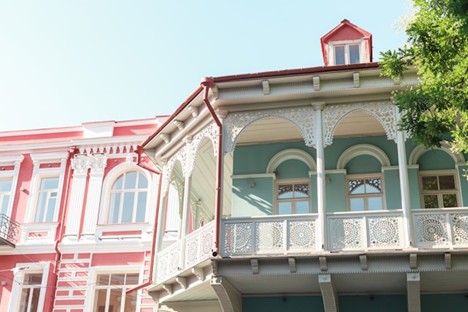
Historic homes are architectural artifacts that reflect generations of craftsmanship, community heritage, and timeless design. But over the years, exposure to the elements invites dirt, mold, algae, and pollution to settle into porous materials like brick, stone, and wood. Without proper care, these contaminants can erode finishes, trap moisture, and accelerate structural decay. That’s why preservation-minded cleaning is so important. Professional services, such as Louisville pressure washing play a critical role in protecting these homes. When done carefully, exterior cleaning not only restores visual charm but also safeguards the integrity of fragile materials.
Historic structures often feature materials like soft brick, lime mortar, aged wood, limestone, or sandstone that can crumble or erode under brute force cleaning. Often times, the standard method to clean modern homes, is not appropriate for aged surfaces, which retain patinas and aging signs that define their historic character.
Preservation experts consistently caution:
Algae, mold, lichen, and mildew on wood or masonry surfaces trap moisture and accelerate deterioration. Over time, that leads to rot in cornices, trim, and siding, or spalling and crumbling of brick and stone.
Historic mortar is softer than modern Portland-based mixtures. Dirt accumulation and freeze-thaw cycles degrade these joints, threatening structural stability if left unaddressed.
Historic paint layers can protect wood and masonry but may also fade or mildew. Cleaning helps identify cracked or blistering paint early, avoiding larger repaint efforts or moisture intrusion under peeling coats.
Instead of blasting debris away in these situations, professionals will use soft washing methods with biodegradable, low-pressure detergents specifically chosen for historic surfaces:
Before cleaning, professionals should inspect materials, checking brick condition, paint adhesion, wood rot, mortar soundness, and moisture sources, to tailor the method appropriately. Testing an inconspicuous patch helps assess compatibility with cleaning agents or pressures.
Cleaning often reveals early signs of failing mortar or open trim joints. Timely repointing using compatible lime-based mortar and caulking, especially around historic windows or cornices, prevents water intrusion that can erode materials from the inside out.
By addressing surface issues before repainting or refinishing, preservation teams avoid repeated restoration cycles. Gentle cleaning uncovers places needing wood consolidator or primer & paint touch-ups that match historic finishes.
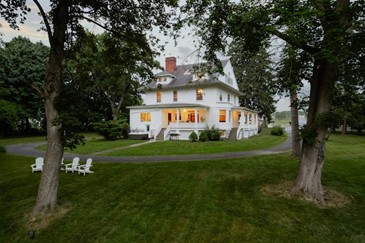
Routine cleaning preserves trim, wood details, masonry features, and ornate elements, ensuring that original craftsmanship remains intact for decades.
Gentle approaches avoid irreversible damage that abrasive chemicals can cause. The authenticity and “historic value” of the building remain intact.
Removing mold and mildew improves surface breathability and reduces microbial exposure - helping maintain indoor air quality and reducing moisture-related deterioration.
Historic homes enhance local heritage and real estate markets. Well-maintained facades support neighborhood pride, and preservation-friendly cleaning helps maintain high market value and appeal.
According to the Secretary of the Interior’s Standards for Rehabilitation:
Following these guidelines ensures historic integrity remains intact during maintenance.
Mistake: DIY cleaning the exterior of your historic home
Risk: Paint stripping, mortar erosion, wood delamination, moisture intrusion, height danger, incorrect chemicals, voided color and material warranties.
Mistake: Ignoring cleaning needs until visible decay is advanced
Risk: High-cost restoration and irreversible damage to rare architectural features.
The solution: prioritize specialized exterior maintenance providers and consider regular maintenance to maintain the overall appearance of your home’s exterior.
Historic homes are irreplaceable legacies, built with craftsmanship, character, and stories. Proper exterior cleaning plays a critical role in preserving that legacy. By using thoughtful, methods, conducting regular inspections, and following preservation standards, homeowners and caretakers ensure that historic facades breathe, endure, and retain their aesthetic elegance.











