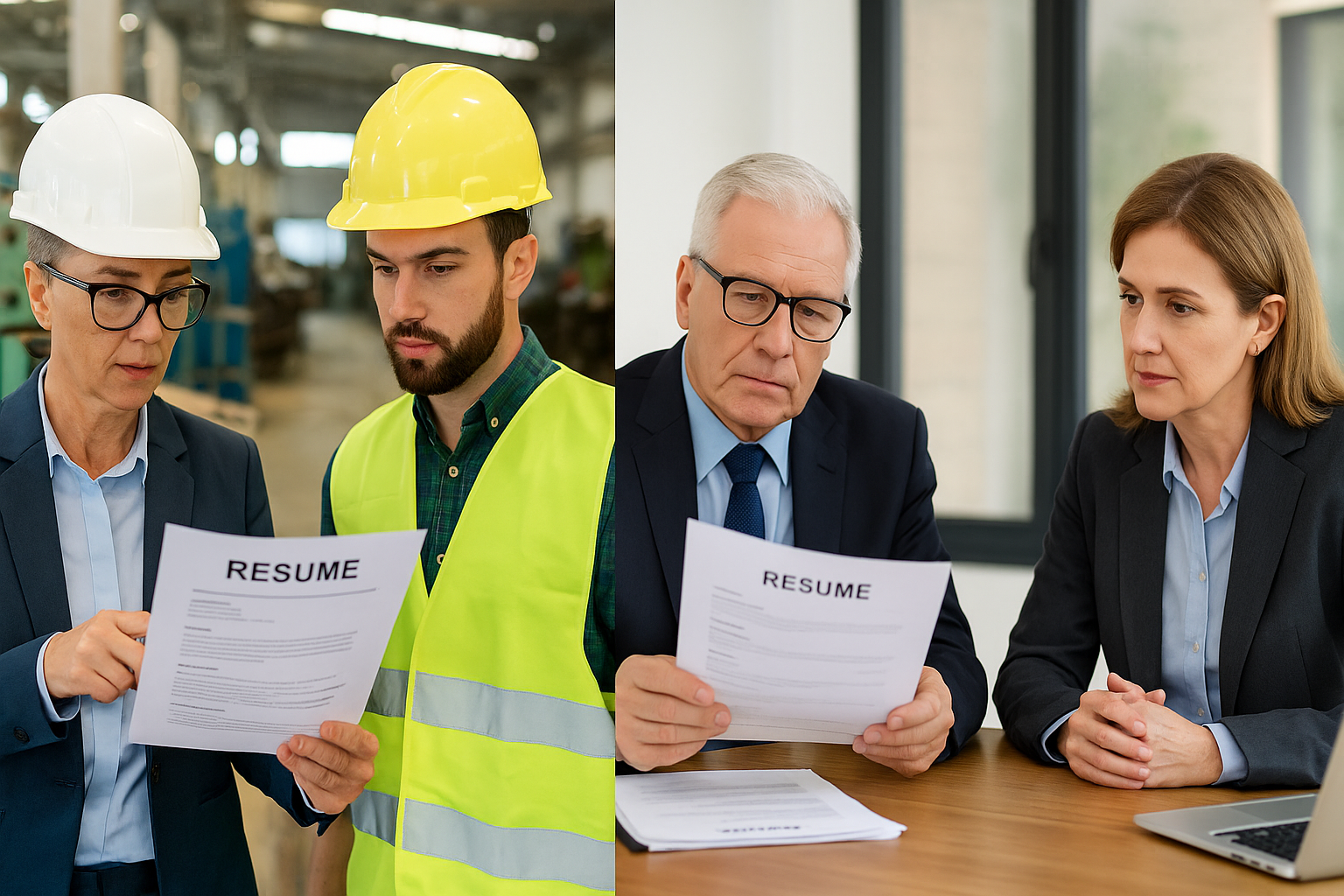
Finding the perfect person for a leadership position in manufacturing is much more involved than reviewing resumes. Factories, warehouses, and industrial plants require staff who are knowledgeable about operations. A poor hire can lead to safety issues, productivity problems, and delivery delays.
For this reason, some companies opt to work with niche recruiters specializing in manufacturing. Others turn to generalist firms that recruit candidates for a variety of industries. On the surface, it may seem that either should be able to serve the same function, but it doesn’t quite work that way.
The executive recruiters who specialize in manufacturing understand what it’s like inside these facilities. They get how production lines work, how shifts are divided, and the relationship between workers and equipment. Their knowledge of manufacturing plants allows them to find the best candidate that have the experience and can withstand the pressures of the job.
Top manufacturing recruiters work with companies to fill roles such as:
They understand what companies look for because they work with them every day. They ask better questions and can spot small problems in a resume or during an interview that a generalist might miss.
Recruiters who work across multiple sectors usually rely on broad knowledge. They may have access to a large candidate pool, but may not understand what matters most in a manufacturing job.
For example, generalist firms might send a candidate who looks qualified on paper but hasn’t worked in a noisy, fast-moving facility before. That person might struggle with equipment schedules, crew management, or even basic compliance.
In comparison, industrial recruiters screen candidates differently. They know what each role demands and filter out people who aren’t prepared.
When recruiters already understand the job and the environment, they move faster. They know who might be ready for a new opportunity and can reach out directly. This helps reduce the time it takes to fill important positions.
Using industrial executive recruiters often results in fewer interviews, fewer mismatches, and less time spent correcting hiring mistakes. Generalist firms, by contrast, may take longer and cost more if they can’t deliver the right people the first time.
Hiring a plant manager for a company that makes electrical parts. The person must know safety standards, oversee repairs, and manage a team. A generalist recruiter may focus on someone who has general leadership skills but no knowledge of manufacturing rules or production goals.
Manufacturing recruiters would focus on someone who understands audits, machine maintenance, and team coordination under pressure. That difference in focus often decides whether the new hire succeeds.
Recruiters who stay in the same industry build stronger connections. They speak regularly with leaders who may not be actively looking for work but are open to the right opportunity. This gives companies access to people they wouldn’t find through job ads alone.
Industrial executive recruiters tend to form lasting relationships with companies. They get to know the culture of each plant or factory. This helps them suggest people who can succeed not just on paper, but on the floor.
In manufacturing, safety is not optional. Leadership must follow and support safety rules. A recruiter who doesn’t understand those rules can send candidates who treat them as less important.
Top manufacturing recruiters understand how vital safety is and ask questions that help confirm a candidate’s commitment. This protects the company from future problems and builds a stronger workforce.
Hiring the wrong person leads to more turnover. Training someone takes time and money. If they leave quickly, it sets the team back.
Recruiters who know the industry are better at spotting who will stay. They learn what kind of person fits each company’s system and team. This helps reduce hiring mistakes and builds a more stable workplace.
There’s value in using recruiters who know the manufacturing world. They find the right people faster, reduce mistakes, and build trust over time. For leadership positions, the cost of hiring the wrong person is too high.
Working with an executive recruiter makes hiring easier and safer. Their experience in placing operations leaders, plant managers, and maintenance heads helps companies stay productive and avoid costly delays.