
When you start looking for innovative face rejuvenation treatments, the options available are numerous. Therefore, it makes it challenging to pick the best one. These days, one treatment that is becoming popular and aids in restoring the youthful appearance of your face is Sculptra.
It helps in restoring the facial volume and smoothing out wrinkles across the face. It does not add volume directly to your face but rather encourages and pushes natural collagen production. This blog highlights the benefits, risks, and results of this treatment.
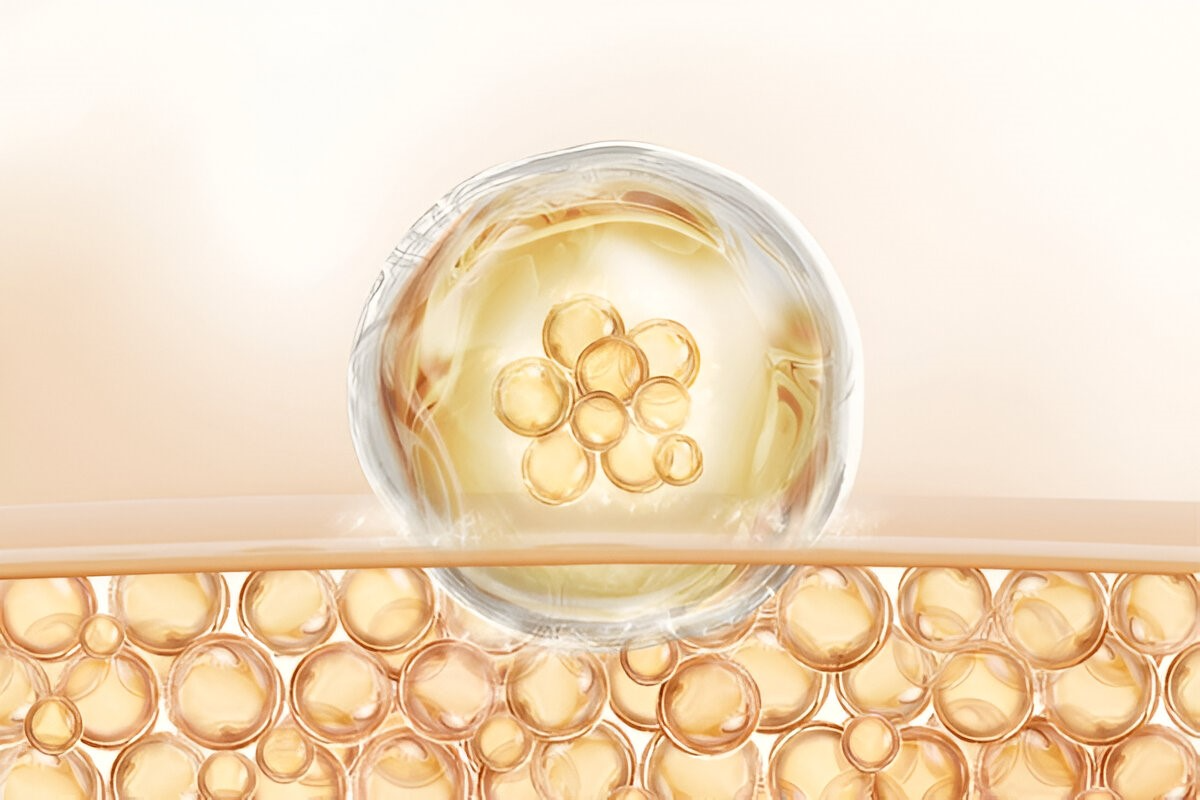
Poly-L-lactic acid is used to make Sculptra. It is a synthetic material that gets gradually absorbed by your body and is biocompatible. As soon as it gets injected beneath the skin, it starts to act like a collagen stimulator rather than staying in one place like a traditional filler.
The poly-L-lactic acid starts to break down its particles, and your skin responds by boosting collagen production in specific areas. After a few weeks, you will start noticing the areas becoming fuller, and the lines will start appearing less noticeable. In a few people, these results tend to develop more gradually and can last up to two years.
Setting it apart from other facial fillers, Sculptra is classified as a biostimulatory filler. It does not instantly plump your skin like hyaluronic acid; rather, it triggers your body to keep replacing lost collagen over time. Unlike traditional fillers, which add volume to areas that are hollow or wrinkled, Sculptra produces a more natural-looking thickening of the skin to support the overall structure.
Over time, this collagen rebuilds lost volume and improves skin elasticity. The result is a natural-looking rejuvenation that can last up to two years or more. While it’s categorized under the broad umbrella of fillers, Sculptra is better thought of as a collagen stimulator rather than a traditional volumizing product.
Sculptra offers a variety of unique advantages, especially for individuals looking for long-term, natural-looking results:
Unlike instant fillers that may produce abrupt changes, Sculptra gradually enhances volume over several weeks. This gradual improvement makes it ideal for people who prefer discreet anti-aging treatments that don’t scream “work done.”
One of the biggest appeals of Sculptra is its durability. Most patients enjoy results that last up to 24 months or longer. This longevity reduces the need for frequent touch-ups, saving both time and money in the long term.
Collagen is essential for youthful, elastic skin, and its production decreases with age. Sculptra reinvigorates the body’s collagen-producing process, resulting in improved skin texture, increased firmness, and volume restoration from within.
Sculptra can address a variety of concerns, including hollow cheeks, sunken temples, jawline definition, and deep nasolabial folds. It’s even used in off-label areas like the buttocks for non-surgical augmentation and skin firming.
The treatment is minimally invasive and typically involves little to no recovery time. Mild swelling or bruising may occur, but usually resolves within a few days.
While Sculptra is FDA-approved and generally considered safe when administered by a qualified professional, like all medical treatments, it carries some potential risks and side effects:
These are the most common side effects and usually subside within a few days. Cold compresses can help reduce these symptoms.
Some patients may develop small, firm nodules under the skin. These may be noticeable when pressure is applied to the treated area, but are usually not visible. Proper injection technique and aftercare (like massage) significantly reduce this risk.
In rare cases, the results may not be symmetrical, especially if collagen production varies between treated areas. This can often be corrected in follow-up appointments.
Because Sculptra relies on collagen stimulation, visible results are not immediate. Some individuals may feel discouraged in the first few weeks if they don’t see a difference right away.
Although uncommon, there's a small risk of allergic reactions or infections at the injection site. Choosing a reputable and experienced provider is crucial to minimize these risks.
It’s important to have a thorough consultation before starting treatment to discuss any allergies, medications, or health concerns.
The transformation with Sculptra is subtle yet impressive when viewed over time. Here's what you can typically expect:
Before starting Sculptra, patients may show signs of facial volume loss, such as hollow cheeks, sunken temples, pronounced nasolabial folds, and overall sagging. The skin may appear thinner, and facial contours less defined. During the consultation, your provider will map out the treatment areas and explain the timeline for results.
After each session (usually 2–3 sessions spaced a few weeks apart), there may be temporary swelling or firmness. You may initially see what looks like immediate volume due to the water content in the injection solution, but this subsides within a few days.
The real transformation occurs gradually over 6–12 weeks as your body builds new collagen. The treated areas appear fuller, smoother, and more youthful. Skin texture improves, fine lines diminish, and facial contours become more defined. The result is a refreshed but completely natural appearance.
Most patients report high satisfaction, especially because the changes are not sudden or dramatic they unfold in a way that mimics the natural aging process in reverse.
For those seeking results that can last up to 2 years, Sculptra is the best option. Compared with other dermal fillers, it does not fill but rather rebuilds the skin from within. Yes, you won’t see immediate results like those provided by standard dermal fillers. But if you are in no rush and want long-lasting, youthful skin, then Sculptra face treatment is the one you should opt for.











