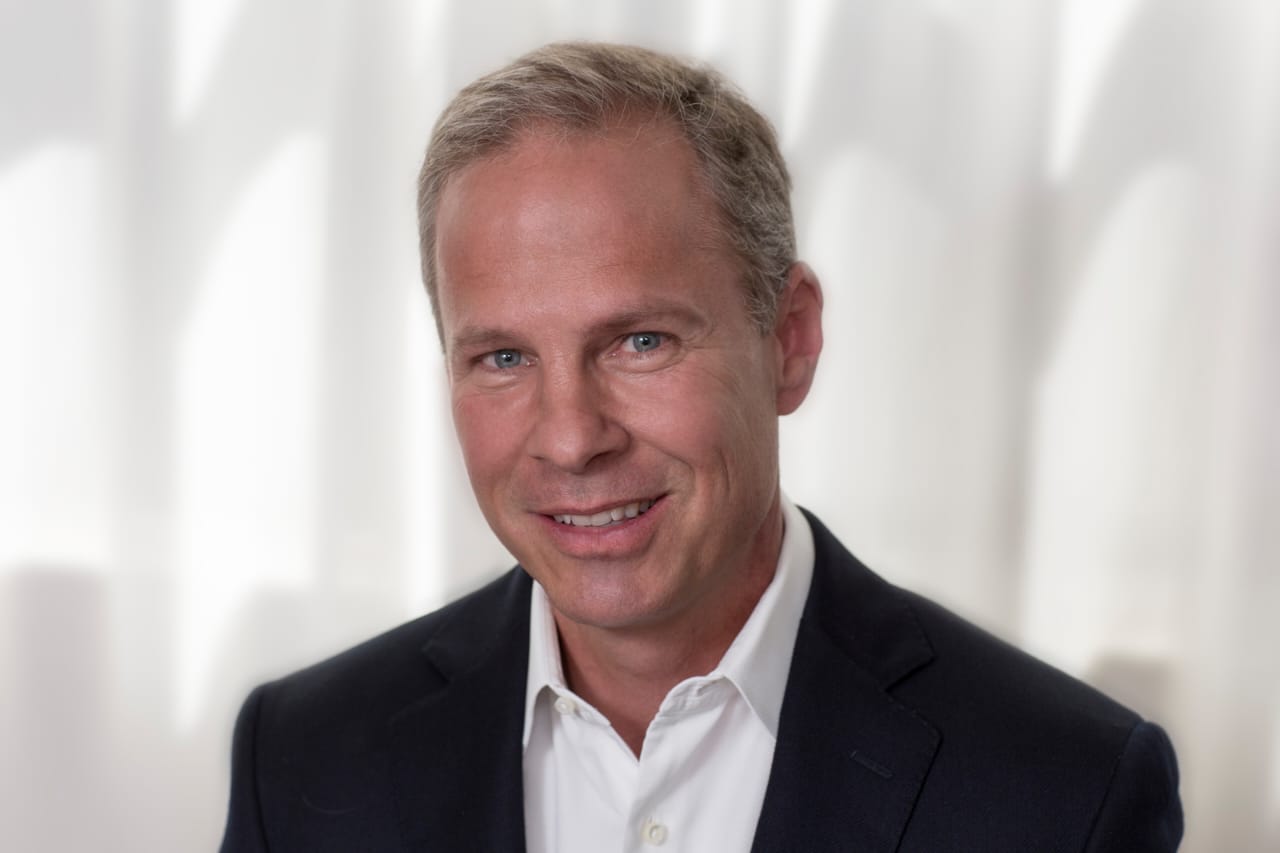
Eric Fulton, a respected figure in the business management industry, has a journey that reflects his profound commitment to integrity, fairness, and community. As the founder and CEO of Fulton Management in Encino, California, Fulton’s impact over the past three decades extends beyond just financial management. Known for a transparent and equitable hourly billing model, his firm manages nearly 800 clients across various fields including entertainment and sports. His foundational belief that success is measured by the potential he helps others achieve has been a guiding principle in both his business and community endeavors. This interview delves into Eric Fulton's insights on building a lasting professional reputation and his innovative approach to business management.
Background and Journey
Can you tell us about your journey into business management and how it shaped your career?
My journey into business management started early, while I was still a student at California State University, Northridge, where I graduated with a degree in accounting. Even then, I co-founded Fulton & Kaplan, offering tax services to friends and family. This early experience in entrepreneurship taught me the value of creating genuine relationships and providing exceptional service. While working full time at Deloitte Haskins & Sells, I launched my first company Fulton & Miller where I first started building my reputation in accounting. Then in 1990, after working at Boulevard Management, I formed Fulton & Meyer and started focusing full-time on business management, setting the stage for what would eventually become Fulton Management in 2015.
What were some pivotal moments in your career that contributed to your professional development?
There have been several pivotal moments throughout my career. One of the most significant was when I decided to differentiate myself from the competition by charging hourly instead of a percentage of clients' gross earnings.. This decision not only differentiated Fulton Management from many others in the industry, but it also aligned with my core values of fairness and transparency. The decision was rooted in a belief that successful clients should not subsidize those still building their careers. It was a bold move, and I’m grateful that it fostered long-term relationships with clients built on trust.
Building and Maintaining a Professional Reputation
What methods do you use to build and enhance your professional reputation?
Reputation is not static; it must be earned and re-earned constantly. I’ve faced setbacks that forced me to reassess my leadership and business strategy. Rebuilding a reputation begins with taking ownership of what happened—without excuses. From there, it’s about consistency in delivering great work, treating people fairly, and demonstrating growth. I focus on building real relationships with clients rather than just focusing on optics. Internally, investing in company culture is crucial. When your team believes in you and feels valued, that creates a ripple effect that no PR campaign can match.
How do you build and maintain trust with your clients, especially those in high-profile industries?
Trust is the cornerstone of my business. Most of my clients are in high-profile industries where discretion, accuracy, and reliability are essentials. I focus on three key elements: transparency, consistency, and communication. Being upfront, even when the news is not what clients want to hear, is vital. If there’s a problem, I address it directly and find the right solutions. Consistency is equally important—I show up and deliver year after year. Lastly, communication is a two-way street. I ask questions, listen, and understand each client’s bigger picture beyond just financial goals.
Innovation and Staying Relevant
How do you stay informed about changes in your industry to ensure your brand remains relevant?
Staying informed is a priority. I read constantly—from trade publications and financial news to industry-specific sources. Understanding changes in tax policy, digital revenue models, and broader economic trends is essential. I’m also in regular contact with a network of trusted professionals, which provides real-time insights. Within the firm, I encourage collaboration. If a staff member sees a change in industry practices, we discuss it. This proactive approach helps us stay ahead and anticipate issues before they become problems.
How does innovation impact your career and business strategy at Fulton Management?
Innovation is crucial in staying ahead in business management, especially in entertainment. Over the years, I’ve witnessed technological evolution transform client service. At Fulton Management, we adopt tools that improve efficiency, accuracy, and transparency. We’ve invested in top-tier software for financial reporting and developed internal systems that reinforce our hourly billing model. Innovation isn’t just about technology; it’s about challenging norms and making strategic decisions that benefit both the business and our clients. This mindset is integral to how I lead and expect my team to operate.
Innovation and Strategy
How does innovation or new tools impact your career and business strategy?
Innovation and new tools have always been essential in staying ahead in the business management industry, especially in entertainment. Over the past three decades, I've seen technological evolution—from the early days of manually typing tax returns on a typewriter to today’s cloud-based accounting systems—transform how we serve clients. At Fulton Management, we constantly evaluate and adopt tools that improve efficiency, accuracy, and transparency.
We’ve invested in top-tier software for financial reporting, tax planning, and client communication. We've also developed internal systems to track time and billing in real time, reinforcing our hourly billing model—a deliberate innovation compared to the traditional percentage-based fee structure used by most firms in my industry.
Innovation isn't just about technology; it’s about challenging norms, adopting smarter systems, and making strategic decisions that benefit both the business and our clients. That mindset is baked into how I lead and how I expect my team to operate.
Balancing Openness and Privacy
How do you balance openness and privacy when interacting with customers, clients, patients, and colleagues?
Balancing openness and privacy is critical in my line of work. I deal with high-profile individuals—actors, musicians, athletes, and influencers—so discretion isn’t just appreciated, it’s expected. At the same time, trust is built through personal connection, so I’ve learned how to be open in the right ways.
With clients, I'm transparent about what’s happening with their finances, what I recommend, and why. But I also know when to step back and respect their boundaries. I don’t overshare, and I don’t involve myself in areas outside my scope unless I’m asked.
Internally, I try to lead with openness. I’m direct with my team, and I encourage them to be honest with me as well. But I also value privacy—my own and others’. I don’t believe in gossip or putting anyone on the spot. The people who work for me know they can come to me in confidence, and that creates a culture of mutual respect.
Ultimately, I treat privacy the same way I treat money: it’s something to be managed with care and integrity.
Risk Management and Reputation
What steps do you take to protect your professional reputation from potential risks?
At this stage in my career, I’m highly aware that reputation can take years to build and seconds to damage. I’ve been through that experience firsthand. I don’t take it lightly anymore—not for myself, my firm, or my clients.
The first step I take is running my business with discipline. That means making thoughtful decisions, surrounding myself with people I trust, and putting systems in place to ensure things are done right the first time. I don’t assume everything’s fine—I verify it.
Second, I stay involved. I’m not a passive owner. I’m hands-on with my team and my clients, and I keep a close eye on how work is being done across the firm. That level of oversight helps prevent problems before they start.
Third, I own my mistakes. Trying to cover something up or shift blame only makes things worse. If something goes wrong, I address it directly and make it right. That approach has helped me retain trust even during difficult times.
Lastly, I work with professionals who help me manage risk—accountants, attorneys, and now, reputation management specialists—because I know that being proactive is the only way to stay ahead.
Vision for the Future
What are your goals for the future as you continue to lead your company?
For me, planning and goal setting are always tied to long-term sustainability. I don’t chase flashy growth or short-term wins. Every major decision—whether it’s hiring, client onboarding, or expanding services—is made with an eye toward stability, culture fit, and quality control.
At Fulton Management, we set both strategic and operational goals. Strategically, I focus on controlled growth: taking on clients who align with our values and hiring people who can grow within the company. Operationally, I track metrics like staff retention, client satisfaction, and profitability per hour worked—not just top-line revenue.
Personally, I also set goals around mentorship and succession. I’m at a point in my career where part of my job is to develop the next generation of leadership. I want the company to thrive long after I’m no longer involved day-to-day, and that means building systems, habits, and people that can stand on their own.
In the closing of the interview, Eric Fulton reiterated his commitment to never losing sight of his foundational values while adapting to new challenges in the industry. His dedication to transparency, innovation, and ethical business practices sets the tone for his firm's future, ensuring that Fulton Management will remain a respected leader in the field for years to come.