
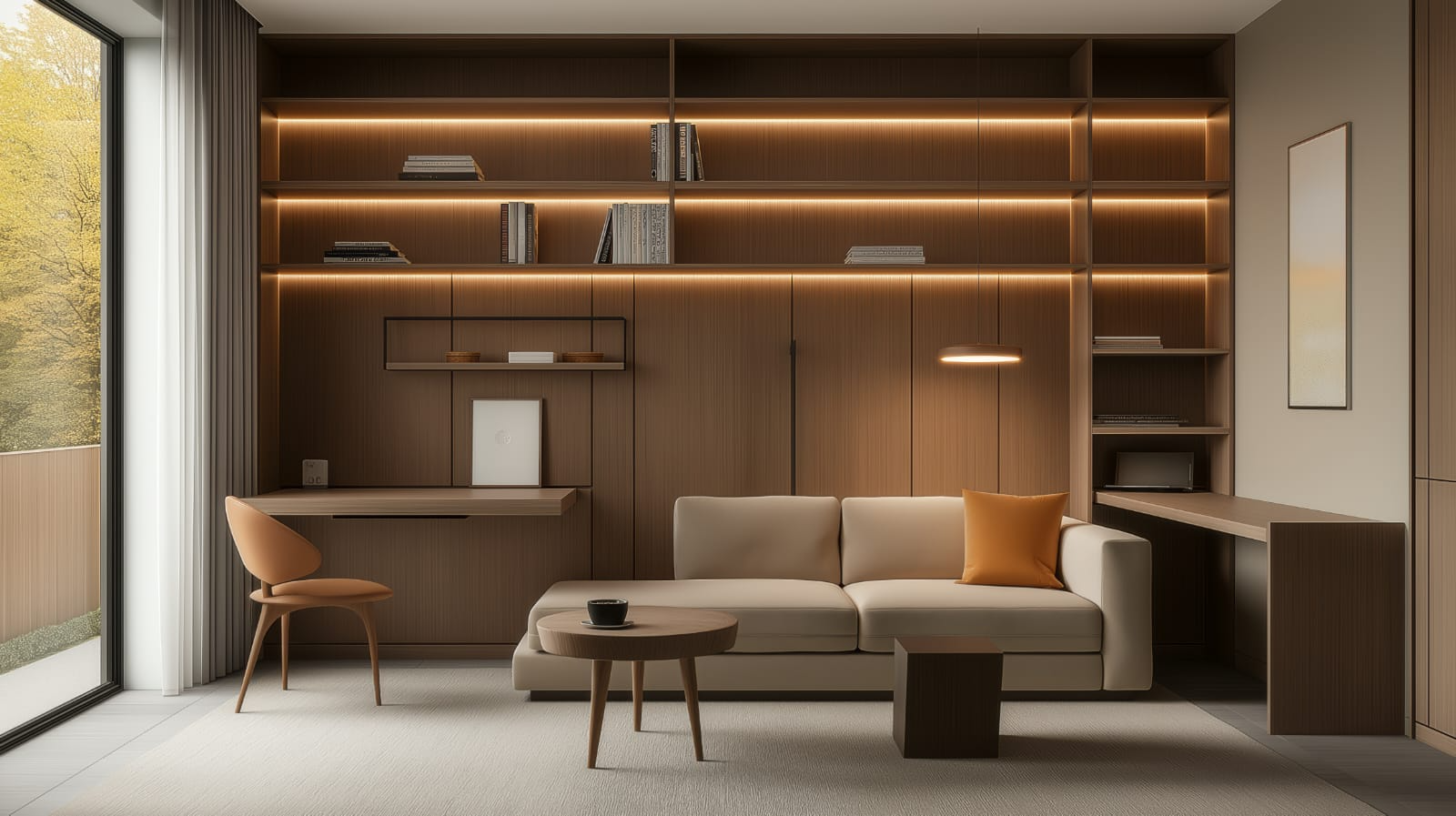
We must emphasize time and again that style, comfort, and function are at the core of any furniture, whether for commercial or domestic use. And while it’s one thing for every furniture piece to serve its purpose, it is quite another for any furniture to blend these three aspects. This blend is even more critical when it comes to business furniture. From ergonomic chairs and adjustable desks to collaborative workstations and stylish conference tables, the right furniture can make all the difference and set your business apart.
Business furniture covers anything from desks, chairs, and tables to cabinets, workstations, lounge seating, and other furnishings used in professional settings. Unlike residential furniture, it is designed for durability, ergonomics, and frequent use by multiple people. Good furniture supports the daily operations of any business, enhances workflow, and contributes to a professional atmosphere.
The answer is a big yes. Of course, you can’t turn furniture designed for domestic use into a commercial use. And while some people do this, it is not advisable. So, why does the furniture matter?
Productivity: Uncomfortable or poorly designed furniture can lead to fatigue, discomfort, and even chronic pain, all of which negatively impact productivity. Ergonomic office chairs and height-adjustable desks, for example, help employees stay focused and energized.
First impressions: The furniture clients see once they set foot in your office sets the tone. Sleek, modern furniture could be a symbol of innovation and professionalism, while outdated or mismatched pieces can create an impression of disorganization even though that may not be the case.
Employee morale: Comfortable breakout areas, adjustable workstations, and attractive meeting rooms contribute to a positive work culture and higher job satisfaction. With comfortable furniture, you can expect your employees to be at their best when it comes to productivity.
Business furniture is a physical representation of your company’s brand. For instance, a creative agency might opt for bold colors, unconventional seating, and collaborative zones, while a law firm may choose classic wood finishes and a more formal layout.
Consistency is key: The furniture should align with your company’s visual identity, with colors, materials, and shapes all helping to reinforce your brand message.
Modern vs. traditional: Consider whether a modern, minimalist aesthetic suits your goals, or if a traditional, luxurious setup better fits your industry and clientele.
Flexible design: Open layouts, modular furniture, and mobile partitions allow for evolving team structures and future scalability.
With most employees spending 6 to 10 hours a day at their desks, comfort can never be just a luxury; it is a necessity. Employee are likely to experience long-term health issues and decreased performance if they spend that time hunching over in an awkward position.
Sit-stand desks: Height-adjustable desks promote movement and can reduce the risks associated with prolonged sitting.
Break areas: Lounge chairs, sofas, and informal seating arrangements help employees relax, recharge, and collaborate informally.
Comfort also includes psychological well-being. This is where natural lighting, warm tones, and plant-integrated furniture come in. These can reduce stress and improve mood.
Furniture must support the actual day-to-day functions of your team. That means thinking about layout, storage, technology integration, and collaboration.
Workstation design: Some roles require privacy and concentration, others thrive in open, collaborative spaces. Choosing furniture that supports the specific needs of your workforce is the way to go.
Storage solutions: Integrated storage such as filing cabinets, shelving units, and under-desk drawers, keeps spaces organized and clutter-free.
Tech-friendly furniture: Modern business furniture should accommodate cable management, device charging, and video conferencing equipment.
Finally, the ideal furniture for your business is a strategic blend of style, comfort, and function. It makes your space inviting, supports your team’s health and productivity, and reflects the identity of your brand.











