
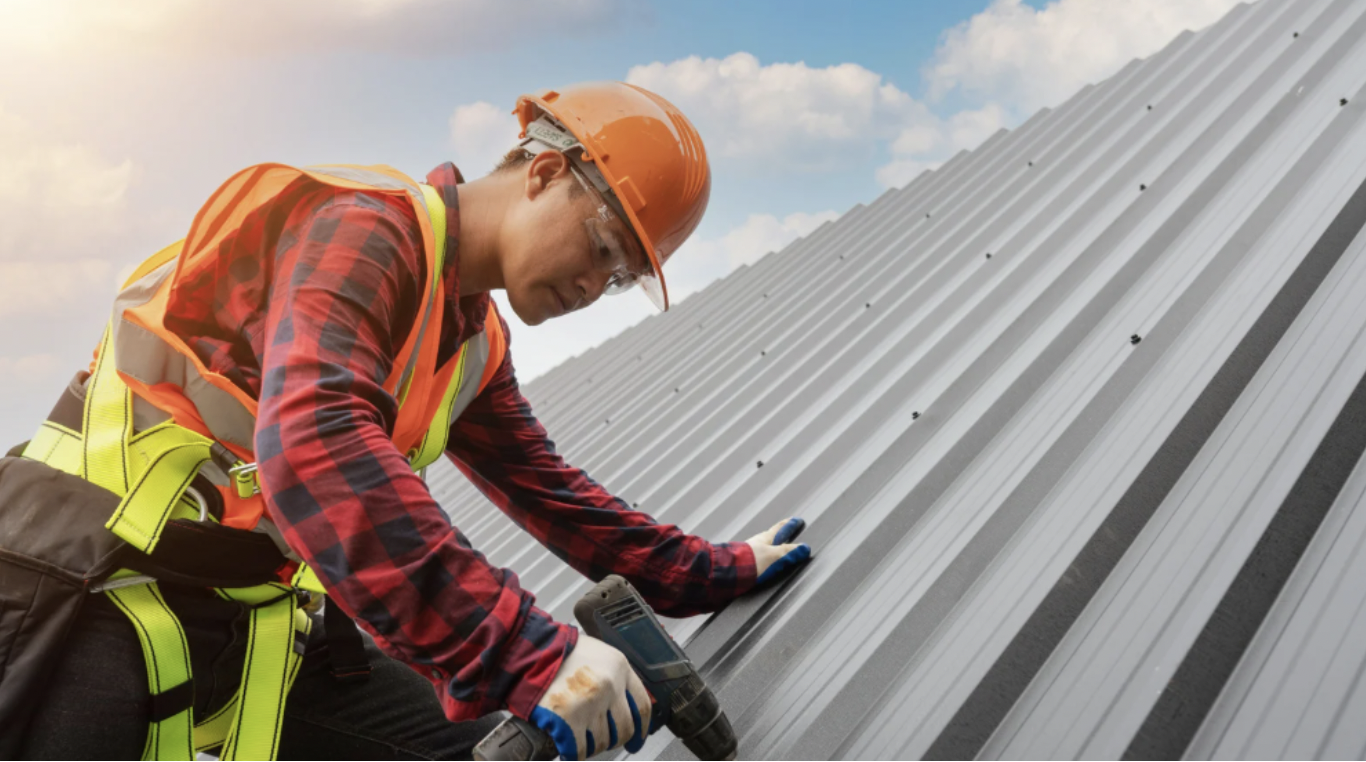
When protecting your home from harsh weather, services for metal roofing in Atlanta offer durability and performance that surpasses many traditional materials. With the city's unpredictable mix of heat, storms, and seasonal shifts, choosing a resilient roofing system is a smart investment.
Metal roofs are not only strong and long-lasting, but they're also engineered to handle severe conditions like heavy rains, hail, high winds, and temperature extremes. Their structural integrity, energy efficiency, and fire resistance make them a preferred choice for homes exposed to unpredictable climates.
Extreme weather can wreak havoc on typical roofing systems, causing shingles to crack, curl, or blow away. Metal roofing, however, is known for its ability to withstand strong winds, often rated up to 140 mph or more. It resists warping, cracking, and erosion, and sheds snow and rain efficiently due to its slick surface and interlocking panels.
In areas where hail is a concern, metal performs particularly well, its hard surface is less prone to impact damage compared to asphalt. Additionally, it's resistant to mildew, rot, and pests, making it a low-maintenance solution that holds up over decades.
A common concern homeowners raise is, Does a metal roof make your house hotter during the summer? Surprisingly, it can reduce indoor temperatures when properly installed with reflective coatings and insulation. Metal roofs reflect solar radiant heat rather than absorbing it, which helps lower cooling costs by as much as 25% in warmer climates.
In cold weather, metal roofs perform just as efficiently by shedding snow quickly, preventing buildup and reducing the risk of leaks or ice dams. Their insulating properties, when paired with proper ventilation, help maintain steady indoor temperatures all year round.
Unlike some traditional materials, metal is fire-resistant. It won't ignite under lightning strikes or nearby wildfires, which is a significant advantage in storm-prone or dry regions. This resistance can even lead to lower homeowner insurance premiums in certain areas.
Moreover, most metal roofing is made from recycled materials and is fully recyclable at the end of its life, making it an environmentally conscious choice. Its longevity also reduces the frequency of replacements, which cuts down on landfill waste overtime.
Though the initial cost may be higher than conventional shingles, the long-term value of metal roofing becomes clear through reduced repair costs, fewer replacements, and energy savings. A professionally installed metal roof can last 40–70 years, far exceeding the lifespan of asphalt or wood alternatives.
The adaptability of metal roofing also allows for various colors, finishes, and styles that complement both modern and traditional homes. It's as visually appealing as it is functional.
Choosing a roof that performs under pressure is essential for long-term home protection. With its ability to withstand wind, rain, fire, and extreme temperatures, metal roofing offers superior defense with minimal upkeep. It's built for performance, especially in climates like Atlanta's.
Understanding concerns like a metal roof makes your house hotter can help homeowners make informed decisions based on facts, not myths. With the right materials and professional installation, metal roofing offers a dependable, energy-efficient solution that lasts for decades, no matter what the weather brings.











