In the distance, coming to the east and west of Nepal, lie a few of the Himalayas’ most strange, old, and sacred scenes. These are not the well-trodden ways of Everest and Annapurna. Instead, they are trails that pass through untouched timberlands, covered-up valleys, and age-old towns that cling to convention. The Makalu Base Camp Trek, Manaslu Circuit Trek, and Kanchenjunga Base Camp Trek are three such ventures—each particular, farther, and profoundly associated with both nature and otherworldly existence. This is a domain for genuine pilgrims looking for isolation, wildness, and meaning in the tall mountains.
Kanchenjunga Base Camp Trek
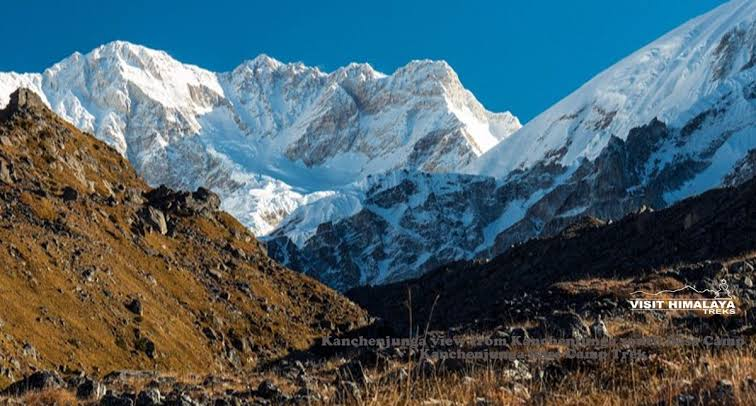
Tucked into Nepal’s distant eastern wilderness, the Kanchenjunga Base Camp Trek is a Trek like no other. It takes you profoundly into the shadow of the world’s third-highest mountain—Kanchenjunga (8,586 meters)—a sacrosanct peak for both the individuals of Nepal and the neighboring Indian state of Sikkim. This Trek isn’t fair at almost any elevation; it’s almost the travel through one of the most isolated districts in Nepal. The way winds through moss-covered timberlands and bamboo forests, reverberating with the call of ruddy pandas and antiquated yak herder settlements where Tibetan culture remains strong. Trekkers frequently start from Taplejung, a calm town that serves as the portal to the Kanchenjunga Preservation Region. The path climbs gradually through beautiful towns like Sekathum, Ghunsa, and Kambachen, where you’ll be warmly invited with butter tea and stories of snow panthers in the wild.
Once at Pangpema—the north base camp—you’re met with an amazing display: Kanchenjunga rising like a white cathedral, flanked by mammoths such as Janu and Table Shikhar. It’s an otherworldly minute, regularly portrayed as a “silent supplication in stone.”
The region remains secure, with a constrained number of trekkers permitted, making it perfect for those longing for the wild nature. And for anybody arranging the travel, there are presently organized alternatives like the Kanchenjunga Base Camp Trek package, which guarantees licenses, guides, and coordinations are well-managed for this off-the-beaten-path adventure.
Highlights:
One of the least swarmed treks in Nepal
Diverse biological systems, from subtropical wildernesses to glaciers
Rich Limbu, Rai, and Tibetan cultures
Spotting uncommon natural life like red pandas and snow leopards
Difficulty:
Strenuous. Long days and inaccessible trails require great wellness and trekking experience.
Best Time:
Spring (March to May) and harvest time (September to November) for clear skies and dynamic landscapes.
Makalu Base Camp Trek
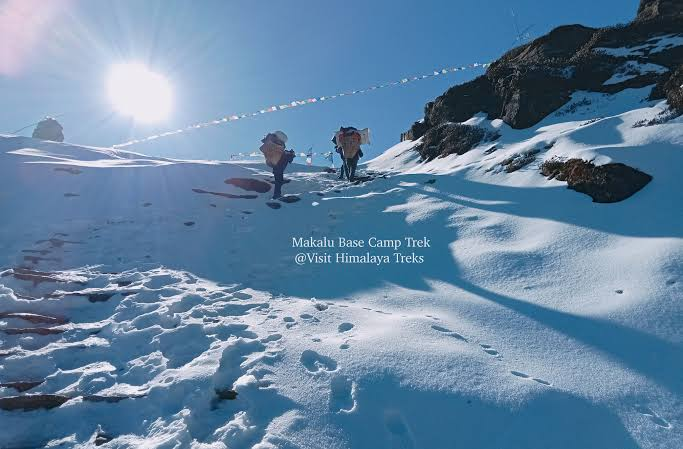 Lesser-known but similarly breathtaking is the Makalu Base Camp Trek, an undertaking into the eastern Himalayas and the domain of Nepal’s fifth-highest peak, Makalu (8,485 meters). Found close to the Everest region but more distant and inaccessible, this Trek offers an exciting combination of crude elevated magnificence, profound woodlands, and untamed terrain. What makes the Makalu region genuinely surprising is its natural abundance. Trekkers pass through the Makalu Barun National Park, an ensured region of extraordinary differentiation, with rich swamp valleys and tall snow-capped peaks isolated by deep stream gorges. Few other treks take you from green rhododendron wildernesses to frosty ridgelines so dramatically.
The Trek starts at Num, a little town reachable by jeep from Tumlingtar. From there, the path plummets into the Arun Waterway Valley, crossing swinging suspension bridges and climbing soaked, stone-stepped ways into cloud woodlands. Conventional Sherpa and Rai towns, such as Tashigaon, offer homestays and conventional Himalayan hospitality.
As you climb, the scene gets really cinematic. Sees open to Everest, Lhotse, Chamlang, and at long last Makalu itself—a tremendous pyramid of shale and ice standing alone and wonderful. Makalu Base Camp (4,870 meters) is a peaceful, windswept glade encompassed by sheer cliffs and icy masses. It’s a place to sit, reflect, and splash in the grandness of the Himalayas to express peace.
Highlights:
Unspoiled path through the Makalu Barun National Park
Fewer trekkers, making for a profoundly individual experience
Stunning views of five of the world’s tallest mountains
High-altitude biodiversity and special Himalayan flora
Difficulty:
Very strenuous. Inaccessible areas, steep climbs, and negligible foundation require amazing physical preparation.
Best Time:
April to May and October to November for a steady climate and mountain views.
Manaslu Circuit Trek
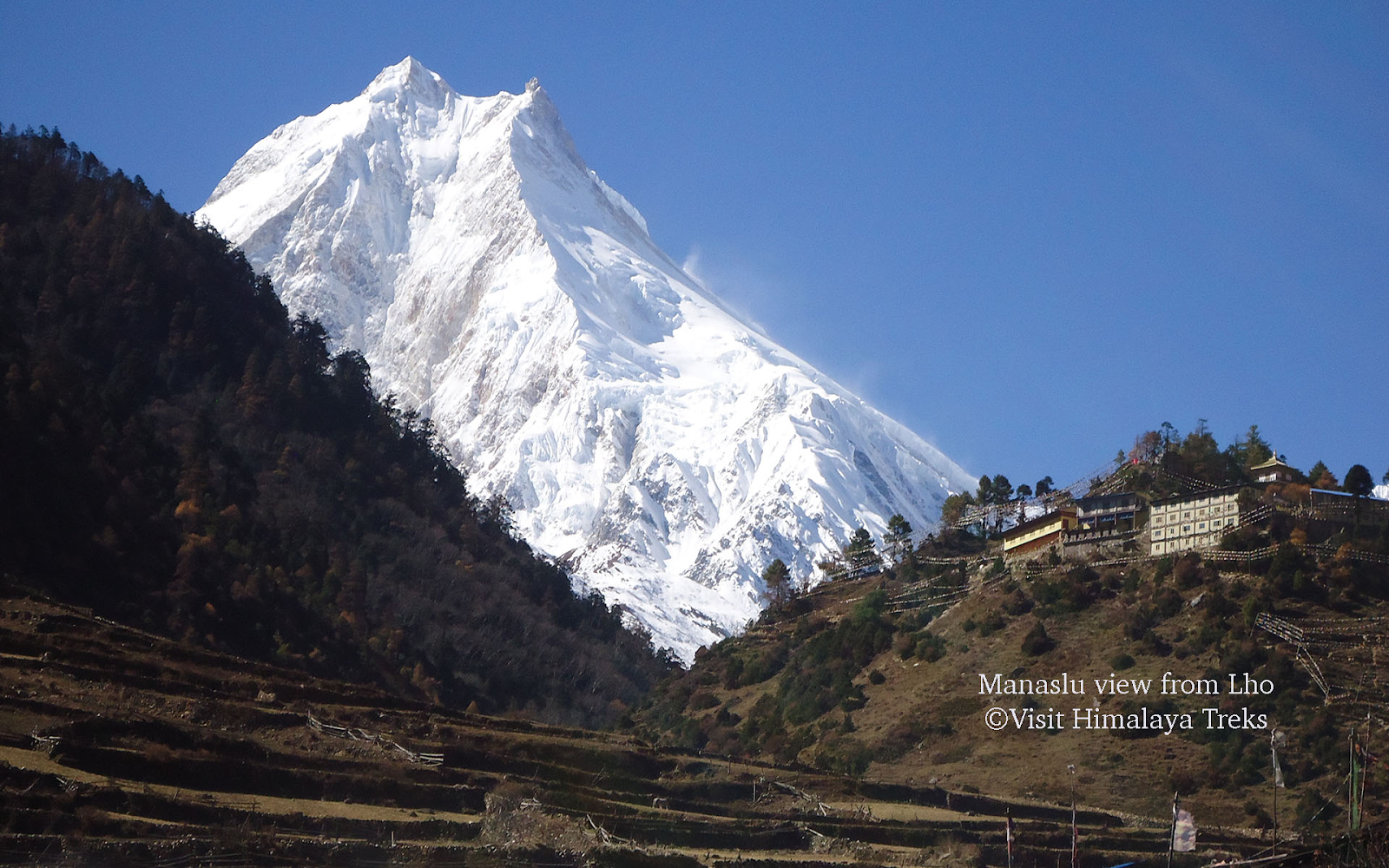
The Manaslu Circuit Trek is one of Nepal’s most well-balanced treks—inaccessible yet open, wild but with developing conveniences, and inconceivably picturesque with wealthy social layers. At the heart of it lies Mount Manaslu (8,163 meters)—the eighth most noteworthy mountain in the world, towering over immortal Tibetan towns and emotional waterway gorges.
The travel starts at Soti Khola, following the capable Budhi Gandaki Stream through profound valleys, over suspension bridges, and past cascading waterfalls. The path continuously rises through charming towns like Jagat, Deng, and Namrung, each formed by Tibetan Buddhist culture, main dividers, chortens, and supplication banners rippling in the wind. What makes this Trek really sacrosanct is the social association—numerous of the towns along the course have a connection to the Nubri and Tsum ethnic groups, with roots in ancient Tibet. You may witness age-old ceremonies, visit centuries-old cloisters like Lho’s Ribung Gompa, and indeed listen to the conch-shell call to supplication at sunrise.
As the path rises towards Larke Pass (5,106 meters), the scene becomes crude and sensational. Cold peaks near in, and frigid lakes dab the scene. The crossing itself is a highlight—a long but fulfilling day that offers epic views of Himlung Himal, Cheo Himal, and Annapurna II.
Since the Manaslu Circuit Trek requires an extraordinarily limited region permit, it remains less swarmed than Annapurna or Everest, protecting its authenticity.
Highlights:
Larke La Pass—one of Nepal’s most staggeringly tall passes
Authentic Tibetan Buddhist culture and old monasteries
Less commercialized than other well-known treks
Can be amplified to the Tsum Valley for an even more profound experience
Difficulty:
Moderate to strenuous. Height, long trekking days, and pass crossing make it physically demanding, but reasonable with legitimate acclimatization.
Best Time:
October to December and March to May are best, in spite of the fact that early spring some of the time brings snow over the pass.
Why These Trails Matter
In a period of hyperconnectivity and over-tourism, the treks to Kanchenjunga, Makalu, and Manaslu speak to something more sacrosanct—the genuine heart of the Himalayas. These courses are not for those looking for extravagance or instant satisfaction. They are for the pioneer who needs to walk where few have strolled, where religious communities whisper antiquated chants, and mountains rise unbothered by time.
You won’t discover Wi-Fi in every town or a coffee shop on every corner. What you’ll discover in step is hush, genuineness, and change. Whether it’s the brilliant shine on Makalu’s eastern confrontation, the supplication wheels turning in Lho town, or the magnificent isolation at Pang Pema—these encounters take off an engraving more profound than any photo ever could.
Planning and Preparation Tips
Permits: All three treks require extraordinary licenses. Kanchenjunga and Manaslu are limited regions; you must travel with an enrolled guide and in a group of at least two. Makalu requires a Makalu-Barun National Park permit.
Guides & Watchmen: Exceedingly suggested due to remoteness, security, and social understanding.
Fitness: These treks require above-average wellness. Prepare for a few months with tough climbs and continuous workouts.
Gear: Quality trekking boots, a down coat, a resting pack (-20°C rated), and layered clothing are must-haves.
Acclimatization: Continuously construct rest days into your agenda, particularly over 3,500 meters.
Conclusion: Sacrosanct peaks for the Sacrosanct Trek
To Trek to Kanchenjunga Base Camp, walk underneath the frigid shadow of Makalu, or cross the magnificent Larke Pass beneath the look of Manaslu is to step into a Himalayan dream untouched by mass tourism. These are more than treks—they are Treks for the soul. They whisper stories of ancient mountain divine beings, offer insights into versatile societies, and uncover the wild magnificence of Nepal’s covered-up corners.